 Free shipping in NL
  & BE
& BE 


More and more people are discovering the benefits of a electrically heated vest To get through the winter comfortably. Outdoor workers, athletes, hikers and cyclists experience how a heat vest helps to keep the upper body warm and prevent chills. Thanks to modern heating technology, these vests combine warmth with wearing comfort, suitable for both young and old. In this guide, you will find all the information on how heated vests work, benefits and prices, complemented by user experiences, practical tips and the latest trends towards 2025. The overview shows what heated clothing can do today for everyday comfort as well as for longer activities in the cold.
How exactly does a heated vest work?
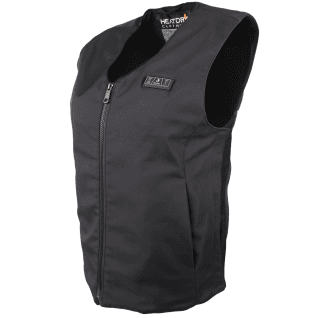
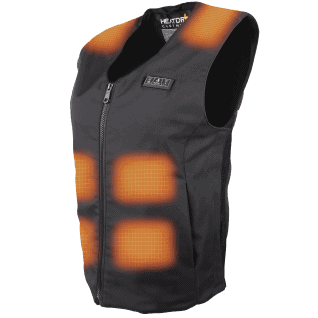
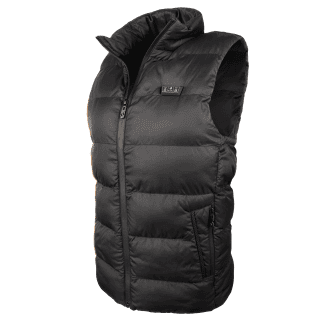
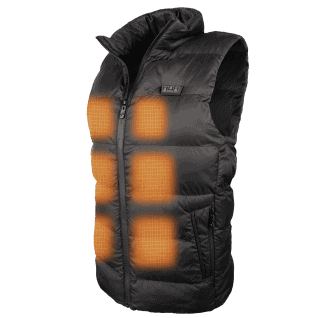
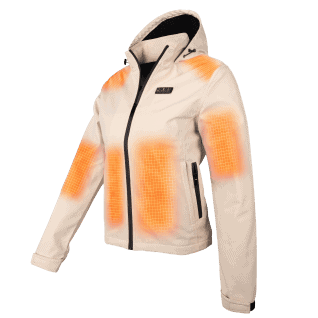
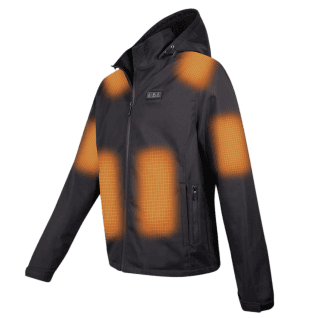
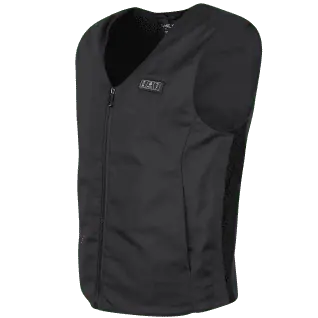
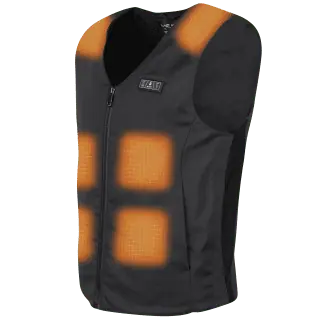
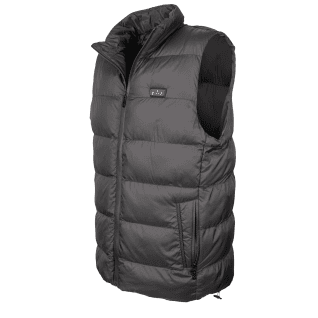
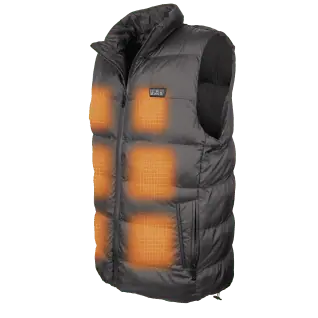
An electric heated vest looks like an ordinary sports vest or body warmer, but has thin heating elements made of carbon fibre or metal built in. These heating vest elements sit in places where you need it warm quickly, such as your back, chest, stomach and sometimes at the neck. Power comes from a rechargeable power bank (usually via USB), which you simply place in a special compartment. With the push of a button, often on your chest, you set the heat vest to different heat settings. On the lowest setting, the electric heated vest provides gentle warmth; on the highest setting, you quickly feel strong heat of up to 65°C. You can easily wear this heated vest under your jacket to create a pleasant microclimate of your own. Thanks to modern technology, these heated vests are light, almost invisible and very flexible.
What do you look out for when buying a heated vest?
Number of heating zones & battery capacity
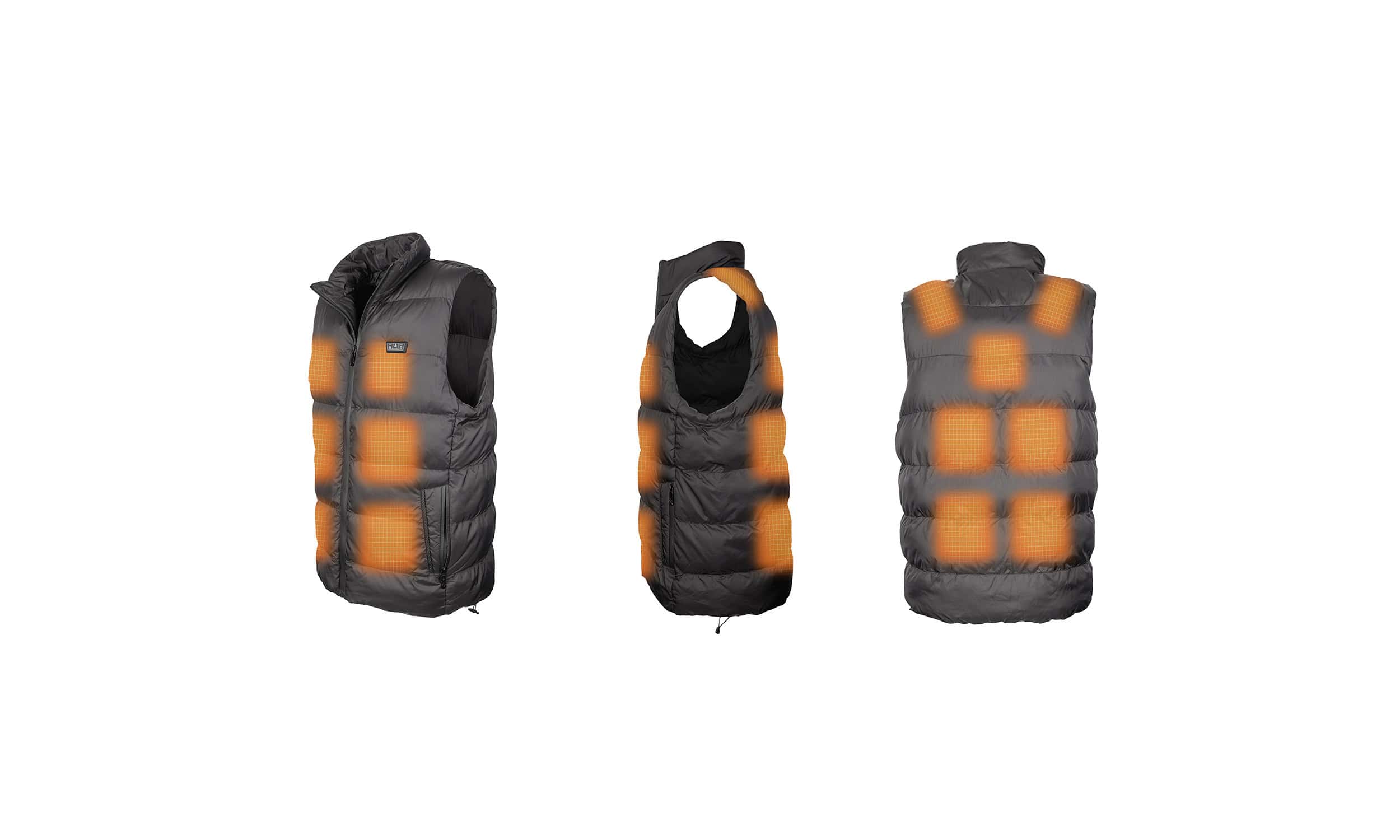
A well-heated vest features several heating zones, ideally three or more, distributed across the back, chest and sometimes the neck. This ensures even heat distribution regardless of your activity. Also pay attention to the voltage level: the higher, the warmer in cold temperatures. In addition, pay attention to the battery capacity: preferably choose a power bank of at least 10,000 mAh. This will allow you to use the vest for 6 to 8 hours on average, depending on the heat setting. For intensive use or long days outdoors, a 20,000 mAh battery is recommended. Some models even offer heating for up to 12 hours on a single charge, such as those from HEATDRY Clothing.
Water-repellent and breathable outer fabric
Heated clothing is often worn in cold and humid conditions. Therefore, it is crucial that the vest has an outer layer that is water-repellent and breathable is. Softshell and windproof polyester are popular choices that offer protection from rain and wind while wicking away perspiration. This prevents overheating and keeps your body comfortably dry. Look out for extras like taped seams or a high collar for extra protection. This will keep you warm and dry, even in challenging weather conditions.

Washing instructions & fit
Not every heated vest should just go in the washing machine. Always check that the heating components and battery are removable and follow the washing instructions carefully. Many models should be washed by hand or on a delicate cycle in a laundry bag. In terms of fit, it is important to look carefully at the size chart. Many heated vests are produced in Asia, so sizes can be smaller. A good fit not only ensures comfort, but also helps retain heat better.

Warranty and service
When buying a heated vest, it is wise to choose a brand that has at least one-year warranty offers. This will protect you against manufacturing defects or problems with the heating elements and battery. Also check if a local or European service point is available. This makes the return process faster and more reliable. Preferably choose a seller with clear warranty terms and good customer service. That way you are not only buying heat, but also security.

User experiences: heated vests in practice
Experiences with electrically heated vests are generally very positive. User reviews and independent product tests show that people particularly appreciate the immediate, pleasant warmth, especially around the lower back and chest. Athletes, hikers and especially outdoor workers report that they can be outside comfortably for longer, and need to wear less. Construction workers, for example, report that the electrically heated vest pairs well with work clothes, provided you choose sturdy, water-repellent models. Popular brands like HEATDRY Clothing, Gløde and Bertschat get scores of 4.7 or higher on platforms like Kieskeurig and Bol.com. A key focus in the reviews is the fit: some cheaply imported vests fall small or have less freedom of movement. Battery life and the number of heating zones (the more, the more comfortable) also largely determine satisfaction. Overall, user experiences show that a heated vest is a smart and energy-saving investment for anyone who gets cold easily or works outside a lot. HEATDRY Clothing is unique with its heated body warmers because they have a 7.4v heating system instead of 5v: warmer, more powerful, and able to withstand lower ambient temperatures. HEATDRY also has 12 unique heating zones, which can heat your entire upper body.
Price and cost: what do you pay for a heat vest?
Prices for a heated vest vary widely.
- For entry-level models with 1 or 2 heating zones, you pay around €50 to €80. These are often thin vests without an included power bank, suitable for occasional use.
- Mid-range heated vests offer 3 or more heating zones, are better insulated, and cost €120 to €170 - usually including a power bank.
- Premium electrically heated vests from well-known brands feature water-repellent outer layers, smart temperature regulation and multiple zones (up to 9) and cost €150 to well over €200.
Sets and bundles with dual powerbanks or extra accessories are between €170 and €220 in terms of price. A heated vest with three heating zones, including battery, guide price: €130-€170. Vests specifically as workwear (extra sturdy, multiple zones) are slightly more expensive. When buying, pay attention to the battery content and whether you need accessories separately.
Heat vest sets: accessories and bundles with dual powerbanks
For those who spend long periods of time outdoors, such as construction workers, traffic controllers or winter athletes, there are handy heat vest kits available. These bundles contain not only an electric heated vest, but also two powerful powerbanks, extra charging cables and sometimes a special wash bag. With a set containing double powerbanks, you can wear your heated clothing for up to 12 hours at a time. This is perfect for long working days or multi-day hikes. The extra cost for such a bundle is between €25 and €50, but offers great convenience. When buying, make sure the powerbanks are compatible and that you can use them together or alternately.
Washing and maintenance: this is how to keep the electric vest clean
Can you wash an electrically heated vest? At HEATDRY, the answer is yes - provided you follow the right steps. Always remove the power bank from the vest before washing! Most modern electrically heated vests are machine washable on a fine wash cycle up to 30°C, but hand washing is preferred to avoid wear and tear on the wiring. When machine washing, always use a laundry bag. After washing, do not wring, but let air dry on a hanger. Regularly check the wiring for breaks and store the heat vest dry and loosely, not folded with tension on the wires. With proper maintenance, an electrically heated vest can last up to 500 washes without losing performance (source: heatdryclothing.com).
Sales, stock and delivery time of heated vests
Electrically heated vests are increasingly available from stock, especially through major suppliers such as Bol.com, Decathlon, HEATDRY Clothing and Bertschat. The most common sizes and models are usually readily available within 1 to 2 working days. Specific workwear, for example with reinforcement or a printed company logo, sometimes has a delivery time of 3-7 days due to customisation. Always check stock status when ordering; in the winter season, delivery times sometimes increase due to the growing popularity of heated vests. Many shops also offer the option of ordering bundles directly with your order.
What our customers say:
Daily outdoor work much finer
I often work outside and wear them almost every day. The heat comes on quickly and stays nice and even. Even in freezing weather, I can continue working without having to go somewhere to warm my hands each time.
Along the football pitch finally no cold
I often stand by my children's pitch. Where before I was shivering, now I can watch relaxed, even two games in a row. It feels luxurious to just have warm hands, while everyone around me is complaining hihi.
Along for the ride every day
I cycle 30 minutes to the office and use them every day. They do exactly what I expected them to do: warm hands :). No hassle, just charge them in the evening and they are ready the next morning.
What to do in case of defects and what does the warranty say?
A standard electric heated vest has a factory warranty of at least 12 months; some brands even up to 2 years. If the vest stops turning on, check the power bank, cables and connectors first. Often the problem lies with a loose connection or a faulty battery. If the vest remains unusable after this check, contact the shop where you bought the heat vest. Manufacturer's warranty does not cover water damage or damage caused by improper washing, but many suppliers are accommodating in case of demonstrable manufacturing defects. Always keep your proof of purchase for quick warranty handling. More expensive vests sometimes offer additional service packages. Take note of this when buying.
Electrically heated vest versus standard vest: comfort and energy savings
An electrically heated vest offers significant advantages in comfort over a standard fleece vest or body warmer. Whereas a traditional vest only insulates, an electrically heated vest actively provides extra warmth exactly where it is needed. Studies show that with a good thermal vest, you can comfortably set the room temperature 1-2 degrees lower without getting cold, saving an average of €100-€150 a year in heating costs (source: Gløde 'save energy' campaign). This makes it electric vest particularly popular among conscious consumers and in companies looking to reduce their energy costs.
Which type of electric heated vest is suitable for outdoor work?
Outdoor workers, construction workers and landscapers prefer to opt for an extra robust heated vest or body warmer. Models with three or more heating zones, water-repellent outer fabric and possibly reflective accents are favourites. A good electric vest for outdoor work has at least one large zone on the back (for the spine) and additional zones on the chest and abdomen. If you couple an extra power bank to the heat vest, the vest will continue to provide full power even during long working days. For flexible use, choose a body warmer (without sleeves) under the existing work jacket; vests with sleeves are better for prolonged exposure to wind and rain.
HEATDRY Clothing offers the most suitable heated vests for outdoor work: the 7.4v heating zones provide enough heat in low ambient temperatures, and the many heated zones provide full-body heating.
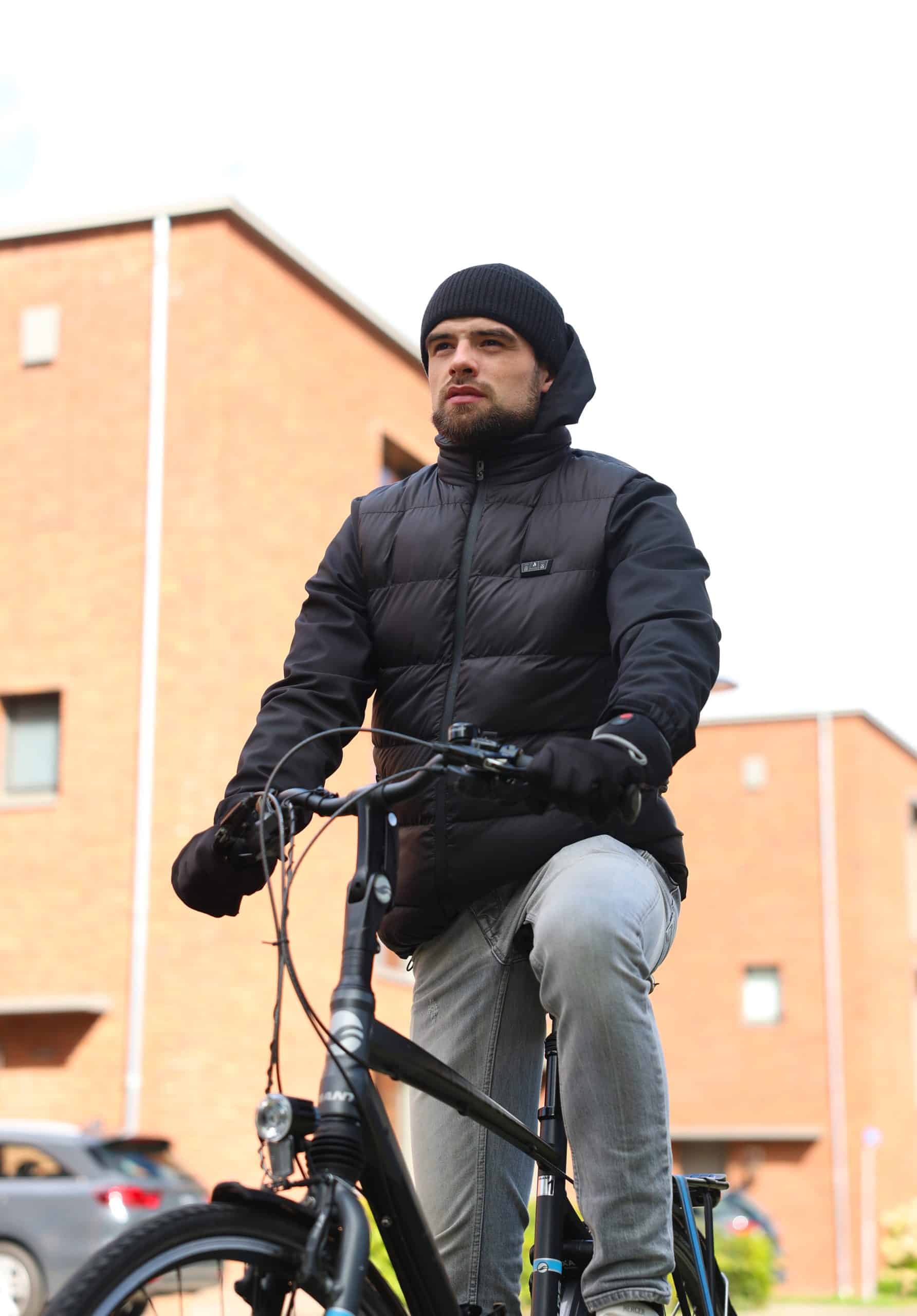
Heated vests on cold construction sites: suitable and safe?
Yes, electrically heated vests are perfect for cold construction sites and outdoor locations without heating. Choose vests that are sturdy, water-repellent and breathable; preferably with at least three heating zones and a reliable, large battery. Wear the heat vest under a jacket with good insulation values and ensure dry hands when operating electronics. Modern vests are safe in practice provided you follow the usage advice, store the power bank watertight, and do not wear the vest in case of wiring damage. On construction sites, professionals are increasingly opting for bundles with extra battery capacity, especially for working hours of 8 hours or more a day.
Popular trends in electrically heated vests for 2025
- Expansion of the number of heating zones to as many as 9, targeting selected muscle groups and joints.
- Larger, fast-charging powerbanks (20,000 mAh or more) standard in bundles.
- Close-fitting designs in fashionable colours, suitable for casual, outdoor and business settings.
- Integration with smartphone apps for smart temperature control and battery status monitoring.
- More sustainable fabrics and reusable materials in production (in line with sustainability standards of clothing industry).
Mid-range versus premium heated vests: the differences
The major difference between mid-range and premium electric heated vests is in the material, technology and accessories. Mid-range vests (€50-130) typically offer 1-3 heating zones, basic insulation and a simple USB power supply (power bank often optional). Premium heat vests (€150-200+) deliver 3 to 9 heating zones, premium insulation, breathable water-repellent outer fabric, dual or larger power bank, as well as more luxuries such as smart home integration. The fit is also better suited to intensive (outdoor) use in premium vests. In independent tests, premium vests score significantly higher on comfort, durability and battery life.
User experiences with heated vests in workwear
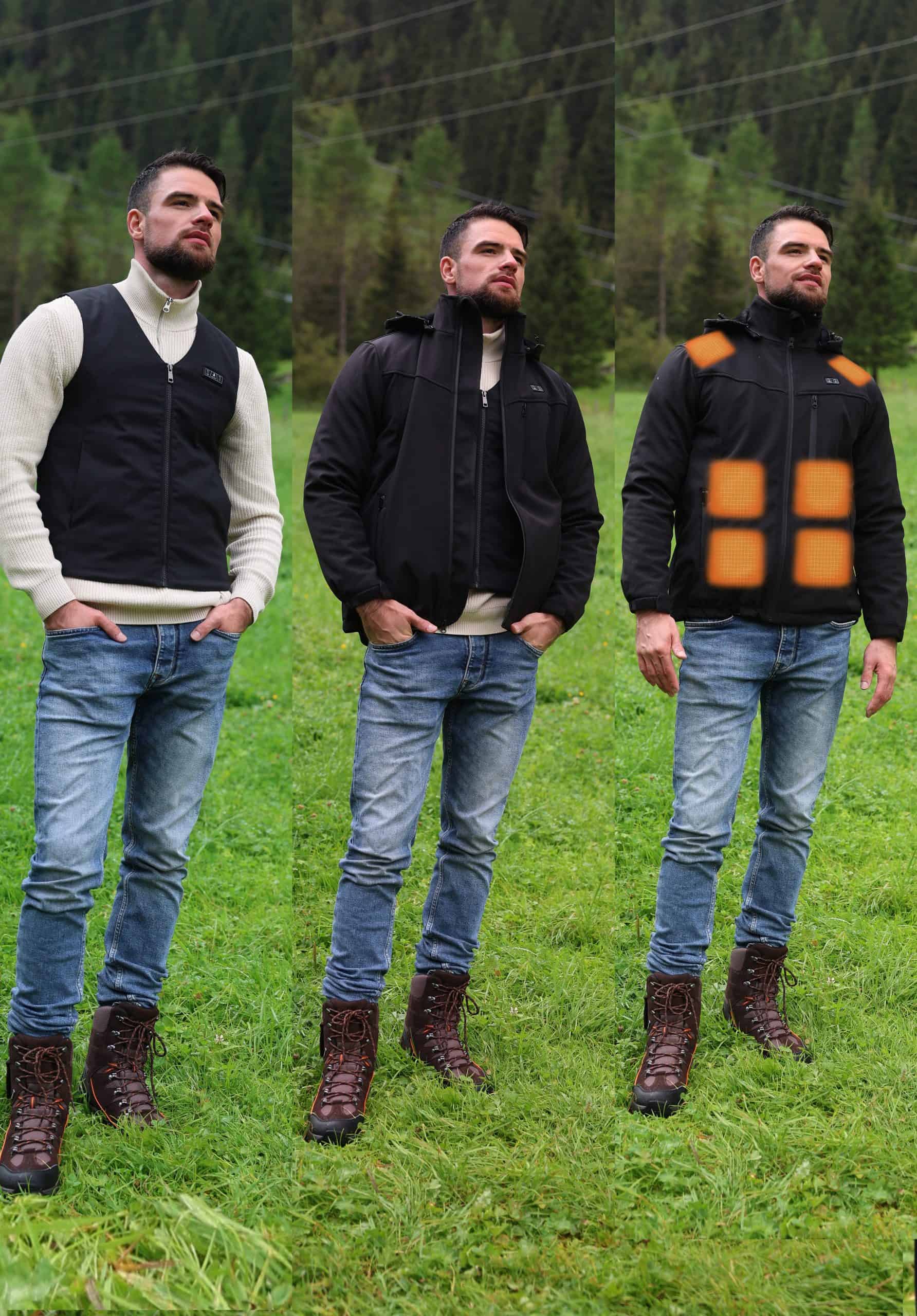
Construction workers, gardeners, groundsmen and mechanics can increasingly be seen wearing electrically heated vests under their jackets. They report that the targeted heat greatly increases working comfort, especially in temperatures below 5 degrees. Most professionals recommend a double power bank for an entire working day's comfort. In addition, many users recommend wearing the thermal vest as an intermediate layer: directly over thermal underwear, with a waterproof work jacket over it. By wearing an insulating jacket over the heated vest, the heat stays 'trapped' the longest, which increases the efficiency of the electric vest.
Maintenance tips for long life of your electric heated vest
- Always remove the power bank before washing the heat vest
- (HEATDRY Only: protect the DC plugs with silicone wash plugs)
- Preference: hand wash or up to 30 degrees fine wash in a laundry bag
- Hang out on a hanger after washing, never tumble dry
- Check wiring and connections for wear after each wash cycle
- Never store a wet or damp electric vest, avoid short circuits
- Store vest loosely folded, not pressed or kinked
- Some manufacturers recommend briefly discharging/recharging the powerbank every month, even in the off-season
Table: comparison of popular brands and prices (indication spring 2025)
| Brand | Model | Number of zones | Powerbank | Price |
|---|---|---|---|---|
| Gløde | Høgge Unisex | 3 | 10,000 mAh incl. | €149-169 |
| Bertschat | Heated Bodywarmer | 5 | 10,000 mAh incl. | €156-189 |
| HEATDRY | BodyPuffed Bodywarmer | 12 | 20,000 mAh incl. | €139-249 |
| Klan-E | Down vest | 2 | battery incl. | €99-159 |
Frequently asked questions about heated vests - FAQ
What are the experiences with electrically heated vests?
Users are generally very satisfied, especially with comfort and instant warmth. Cheaper models score lower because of fewer zones or poor fit.
How long does the battery of a heated vest last?
On average 6-8 hours on stand low, 3-5 hours on stand high. With dual powerbanks even up to 12 hours possible.
What is the price of an electrically heated vest?
Entry-level models from €50, mid-range €120-€170, premium up to €220 for bundles with accessories.
How much does a heated vest with 3 heating zones cost?
Expect €130-€170 complete with battery.
Can you wash a heated vest?
Yes, provided you remove the battery and wash on fine wash or by hand.
Are heated vests delivered immediately?
At large webshops almost always from stock, 1-2 days delivery time.
Which vests are available from stock?
Models from HEATDRY Clothing, Gløde, Bertschat, are usually available for immediate delivery.
What is the delivery time for workwear?
For standard sizes 1-2 days, for custom sizes it can go up to 3-7 working days.
What to do in case of a breakdown?
Check the battery and wiring first. Does it remain faulty? Contact the supplier. Warranty does not cover water damage or improper washing.
Is a heated vest suitable for cold construction sites?
Yes, if sturdy and water-resistant, with at least 3 zones and sufficient battery capacity.
Difference between mid-range and premium vests?
Premium offers more zones, better insulation, larger battery and more luxurious finish.
What should I look out for when buying?
Number of zones, battery, washability, fit, warranty conditions.
Maintenance tips?
See section above for comprehensive care advice. Wash manually or fine wash, dry naturally and watch for damage to wiring.
More information by topic?
🔥 Heated gloves
heated gloves
electric gloves
rechargeable heated gloves
thin warm gloves
heat gloves
heated gloves battery
heated cycling gloves
heated gloves
electrically heated gloves
Heated gloves for osteoarthritis and Raynaud's disease
🧦Heated socks
heated socks
electric socks
rechargeable heated socks
heatable socks
winter socks / heated ski socks
heat socks men
electrically heated socks
heated ski socks
❄️Problemen cold hands/feet
cold hands
cold feet
cold hands and feet
chilblains
chilblains
poor circulation in the hands
poor circulation in feet
numb fingers
numb toes
warm feet
🩺Medical conditions & heat
osteoarthritis hands and feet
rheumatism hands and feet
Raynaud's phenomenon
neuropathy feet
arthritis
⚡ Functionality & USPs
battery heated gloves
heated socks with remote control
protection against cold and moisture