 Free shipping in NL
  & BE
& BE 


Poor circulation in the feet can lead to cold feet, tingling, pain and poorly healing wounds. Young and old alike can experience this, often due to cold, little exercise or conditions such as diabetes. In this article, you will discover the causes, symptoms and consequences, and get practical tips to improve blood flow to your feet: from lifestyle to heated socks.
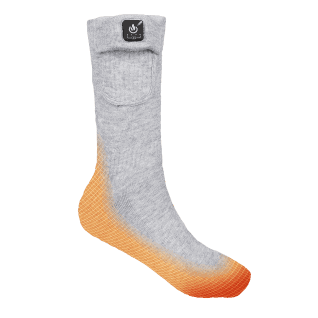
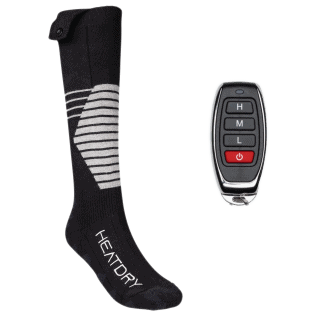
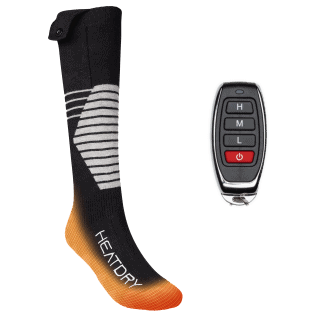
What is poor circulation in the feet?
Poor circulation feet means that blood flows insufficiently or delayed to the foot and toes. This impedes the supply of oxygen and nutrients, leading to poorer drainage of waste products and reduced function of muscles, nerves and skin. Cold, painful or tingling feet theyn the result. Because the feet are furthest from the heart, they are prone to reduced blood flow.
How do you recognise poor circulation on the feet?
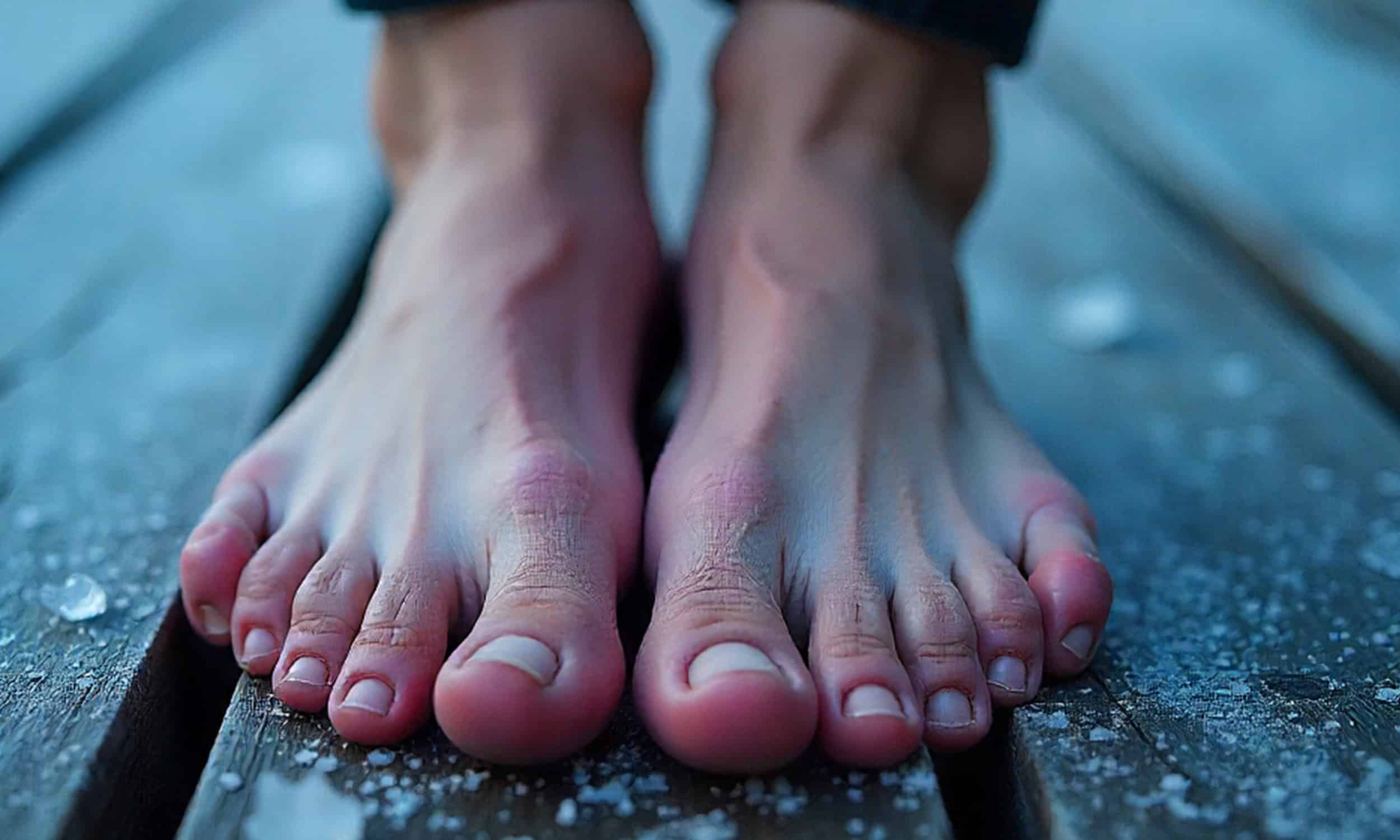
Cold, pale or blue feet
Indicates reduced blood flow; feet stay cold longer and discolour faster with temperature changes.
Slower warming after cold
Feet warm up poorly even after prolonged exposure to heat or exercise.
Pain, cramping, tingling or numbness
Nerves respond to oxygen deprivation, which causes these annoying symptoms when circulation is poor.
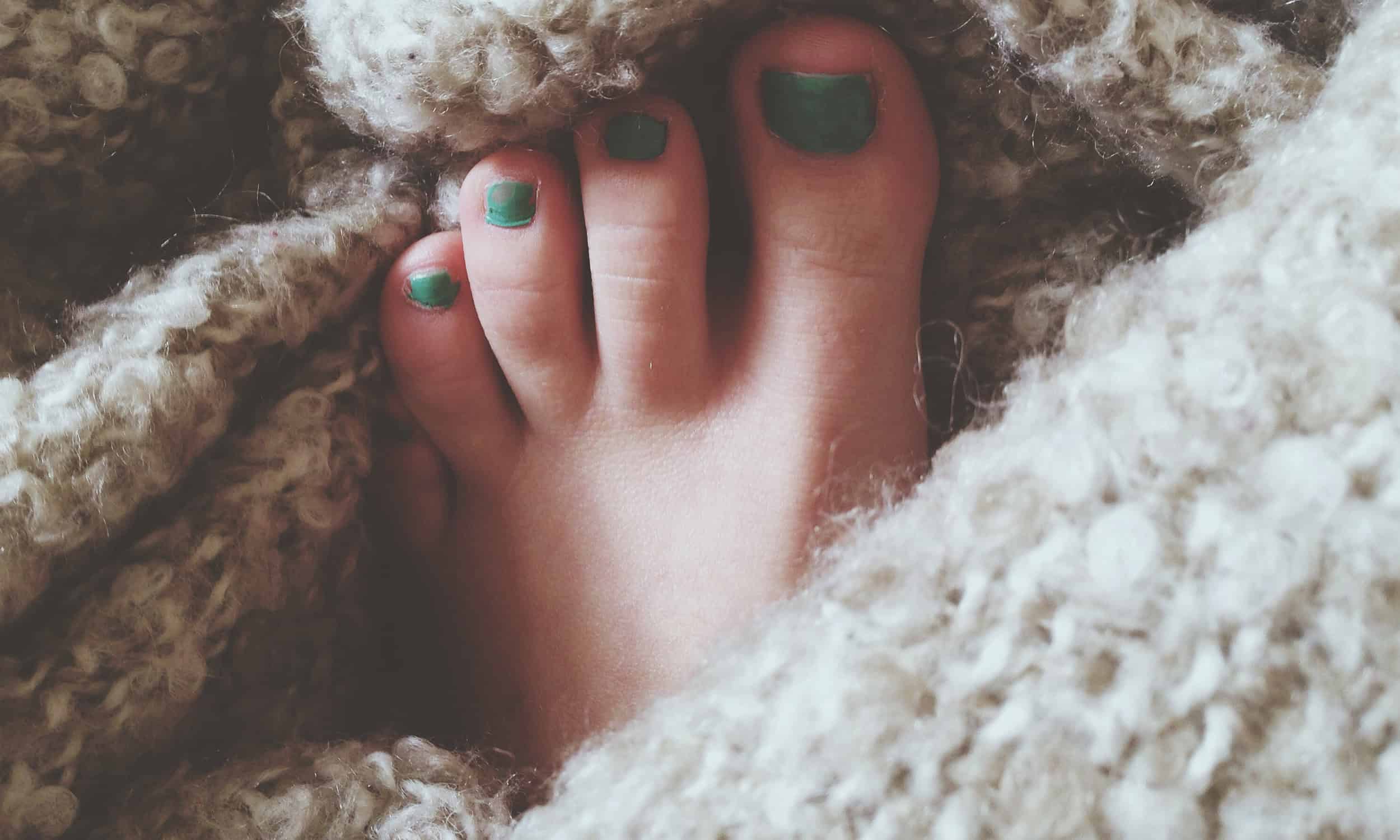
Discolouration: white, blue, purple or red
The colour change indicates the stage of circulatory disorder; sometimes also temporary and reversible.
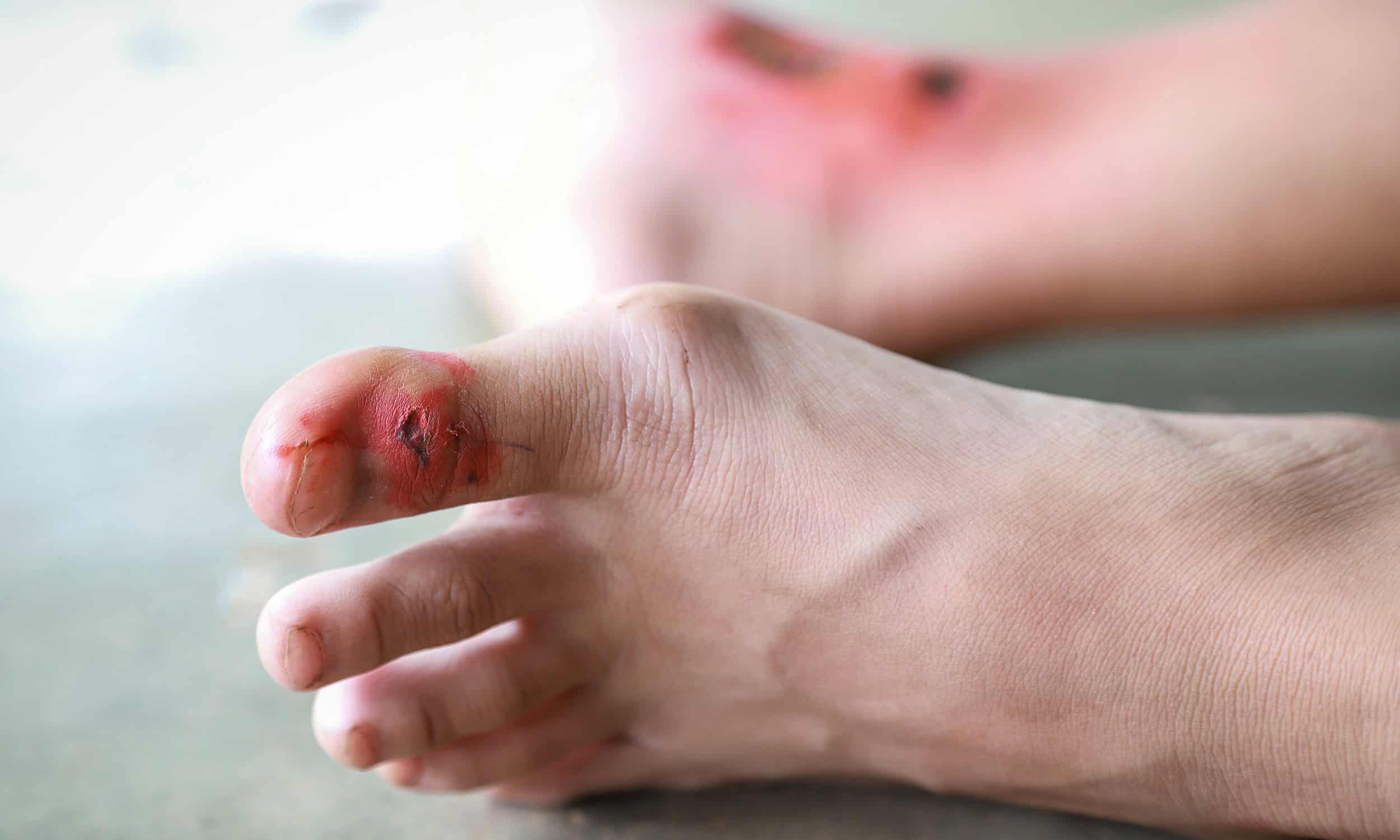
Wounds, tissue damage or heavy feet
Severe cases result in poorly healing wounds, swelling and rapidly tired, heavy feet.
What our customers say:
My best purchase this year
I am retired and enjoy hiking, even in winter. These socks have doubled my hiking enjoyment. I simply never suffer from cold toes again.
Perfect for fishing in the cold
I fish a lot in winter and always sat with ice-cold fingers. With these gloves, I can just sit for 5 hours. For small actions, they are a bit clunky, but I just take one hand out for a while. I should have bought them years earlier.
Perfect against osteoarthritis!!!
Lovely!!! Due to osteoarthritis in my hands, cold days have always been tough. I often couldn't move my fingers smoothly. With these gloves, that has changed. The warmth keeps my hands supple and greatly reduces stiffness. I use them daily during my morning walk, and also just indoors when it's really cold. For me, this almost feels like a medical device rather than just a gadget. Thank you HEATDRY!!!
Facts and figures: how common is poor circulation in feet?
About 10 to 15% of adults experience symptoms of poor blood flow to the feet or hands at some point. In people over 60 years old and in diabetics, these percentages increase sharply; it is estimated that more than 1 in 3 elderly people experience this. Women also appear to be more susceptible to cold feet, partly due to smaller blood vessels and hormonal influences.
The causes of poor circulation feet
- Vascular stenosis (arterial disease): Arteriosclerosis, peripheral arterial disease and smoking block blood flow to the feet.
- Raynaud phenomenon: Sudden vascular cramps in the toes during cold or stress, with variable discolouration and numbness.
- Diabetes mellitus: Damages blood vessels as well as nerves, sometimes without the feet being objectively cold.
- Thyroid problems: Slowed metabolism leads to slower blood flow.
- Autoimmune diseases: Inflammation in blood vessels limits circulation.
- Lifestyle: Little exercise, obesity, smoking, alcohol and stress increase the risk.
- Medication: Drugs such as beta blockers can inhibit blood flow.
- Anaemia: Fewer red blood cells means less oxygen to the feet.
Prolonged sitting or standing also hampers circulation and increases the risk of reduced blood flow in the legs and feet.
Why do you get cold feet due to poor circulation?
Blood does not efficiently reach the extremities of the body, such as the feet. Hypothermia or stress actually cause the body, from a protective mechanism, to send less blood to the extremities so that vital organs are better protected. As a result, feet remain cold and numb. Structural problems such as vasoconstriction amplify this effect, so symptoms can also be permanent, regardless of the season.
Raynaud's, chilblains and poor circulation: the differences
Raynaud's is a condition in which the small blood vessels in fingers and toes contract suddenly, especially when cold or stressed. This leads to intense discolouration and numbness, but often good recovery in between. Winter toes (chilblains), on the contrary, are inflammatory reactions caused by prolonged cold, distinguished by purple spots and swelling. Poor circulation feet are usually continuous and often have another, chronic cause such as vasoconstriction or diabetes.
How to improve poor circulation feet? Facts and tips
- Get plenty of daily exercise such as walking, climbing stairs, cycling or light strength training. This stimulates blood circulation and lowers the risk of complications.
- Avoid prolonged sitting or standing: change positions regularly and wiggle your toes.
- Stop smoking and limit alcohol consumption to keep blood vessels healthy.
- Eat healthy: oily fish, nuts, berries, green leafy vegetables and citrus fruits support blood vessels.
- Drink plenty of water; hydration makes the blood more fluid.
- Use warm socks, compression socks or heated socks for cold feet.
- Have the cause medically checked if symptoms are persistent or severe.
Why are heated socks different from regular thick socks or insoles?
Ordinary (thick) socks mainly insulate - they retain body heat. But if there is too little "warm supply" due to poor circulation in the feet, this has limited effect. Heated socks actively add warmth regardless of your own circulation. Heated insoles focus on the sole of the foot, heated socks on the whole foot.
Compression stockings mainly support blood return to the heart and help with fluid accumulation, but do not provide heat.
How to optimally use heated socks for poor circulation in feet?
- Put on heated socks for you get cold feet, preventing heat loss.
- Make sure they don't pinch or chafe - you risk this with sensitive feet (diabetes!).
- Fully charge batteries and check for defects before use.
- Preferably use the lowest or middle setting due to skin risks.
- Wash socks as directed. Observe hygiene, especially with wounds or scaly skin.
- If necessary, combine heated socks with thin (bamboo or wool) lining for extra comfort.
Reviews: experiences with heated socks for poor circulation in feet
- Many users with complaints of poor circulation to feet report less cold feet and more comfort, especially during (winter) sports, outdoor work and long walks.
- People with Raynaud's or rheumatism appreciate the instant heat control.
- Moderate reviews arise when the fit is not good or the battery life is disappointing.
- Quality differences between cheap and A-brand socks are big in terms of comfort, battery and longevity. Good socks are often worth their higher price.
Frequently asked questions (FAQ) about poor circulation in feet
The difference: poor circulation feet versus cold feet
Cold feet is a symptom: feeling cold feet can also be caused by ambient temperature, insufficient insulation, nervous disorders or hormonal fluctuations. Poor circulation feet usually means there is a physical cause that restricts blood flow, which can lead to structural complaints and sometimes complications such as poorly healing wounds.
How do heated socks work for poor circulation in feet?
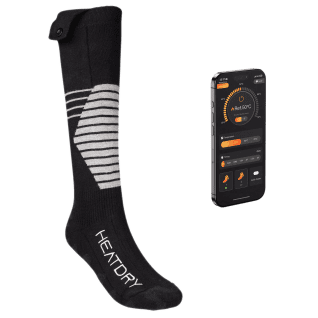
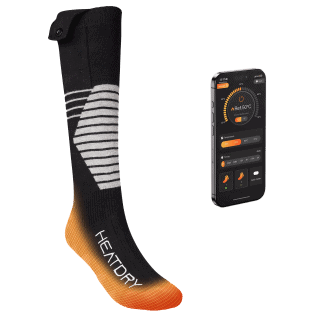
Heated socks work with batteries and heating elements in the sock itself. These actively warm up the sole of the foot and/or toes, where locally the blood vessels also dilate slightly and symptoms such as cold, tingling and pain decrease. They increase comfort and temporarily improve circulation, especially when blood flow is temporarily reduced or during cold conditions. Please note that for permanent blood vessel problems (such as diabetes or peripheral arterial disease), heated socks do not treat the cause, but mainly catch the symptom of cold.
Source: hulpmiddelenwijzer.co.uk
Heating versus compression: which do you choose for reduced blood flow feet?
For complaints caused by cold due to poor circulation in feet (e.g. due to Raynaud's or when working or exercising in cold weather), heated socks are the clearest choice: they provide instant warmth and comfort. Compression stockings are particularly suitable if there is fluid accumulation or legs that swell easily, and less intended for sensitive, cold toes.
If you mainly suffer from cold feet without thick ankles, usually choose heated socks. In case of complaints due to poor circulation as well as swelling, a combination (and consulting a doctor) may help.
Are there any risks when using heated socks for people with reduced circulation feet?
As a rule, CE-approved heated socks are safe. Nevertheless, it is important to be extra vigilant in cases of diabetes, neuropathy or impaired sensation. Due to reduced sensation, burning or a blister may go unnoticed. Therefore, check the skin (especially in high-risk groups) after use for redness or wounds and always consult a doctor if in doubt. Do not buy socks without a quality mark or of unknown (foreign) origin without instructions for use.
What do heated socks cost and where to buy them?
Heated socks can be bought at appliance shops, sports shops and online from reliable shops such as bol.com, Medipoint or healthcare websites. Cheap models start around €20-30, more elaborate models with adjustable settings and longer battery life cost between €60 and €120. Well-known brands such as HEATDRY Clothing, Bertschat, B-Care, Jaxy and Rheme offer quality and warranty, which is important for regular use.
Cheap alternatives and additional tips
- Thermo socks and thick wool socks: cheap and insulating, but do not provide active warmth.
- Heated insoles are an option if the sole of the foot in particular is much colder.
- Warm layers of clothing, leg warmers and gloves are important for complaints of poor circulation hands feet.
- Massaging (possibly with stimulating foot cream), changing baths and foot gymnastics independently stimulate circulation.