
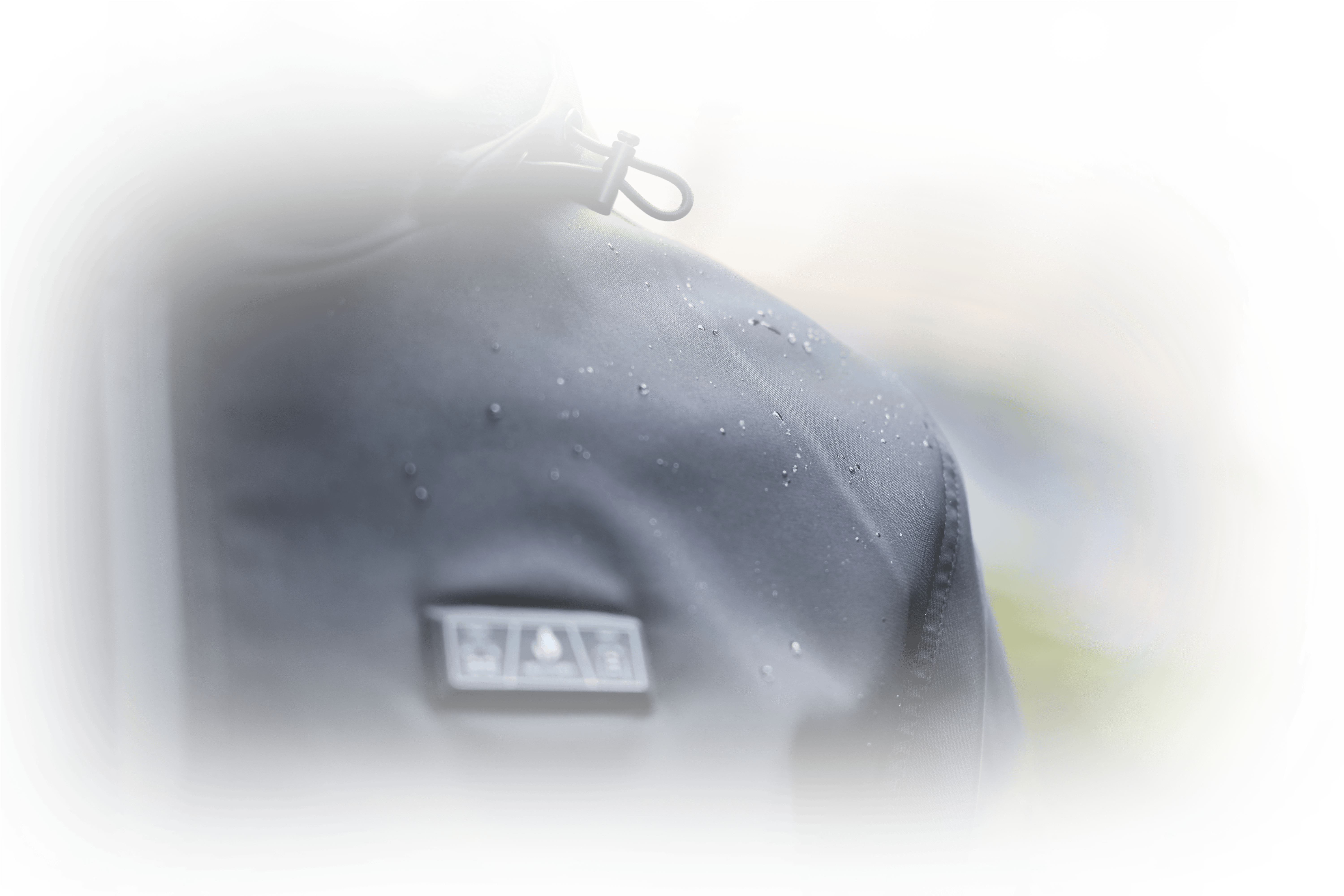
Water-repellent & windproof

1. The importance of waterproof and water-repellent materials

Water-repellent and windproof materials are essential in the development of high-quality outerwear and equipment. Water-repellent fabrics are treated with special coatings that ensure water droplets bead off the surface instead of being absorbed, helping to keep the wearer dry in light to moderate rain showers. Windproof materials, on the other hand, prevent cold air from penetrating the fabric, which is crucial to minimise heat loss through wind chill. These materials are often lightweight and flexible, making them comfortable for extended use without restricting freedom of movement. Moreover, they retain their protective properties even in harsh conditions, making them popular for various outdoor activities, from hiking to cycling, where protection from the elements is key.

2. Advantages and disadvantages of wind- and water-repellent fabrics

Advantages:

  • They offer protection against light rain and wind, which is essential for outdoor activities and work. For athletes, such as hikers and winter sportsmen, they help keep the body dry and better insulated.
  • Windproofness prevents heat loss through wind chill, preserving warmth within the clothing even in cold conditions.
  • These fabrics are often lighter and more flexible than fully waterproof materials, providing more comfort and freedom of movement, especially during physical activities such as climbing or running.

Cons:

  • Water-repellent fabrics often do not breathe as well as untreated fabrics, making it harder for sweat and moisture to escape. This can cause discomfort during intense exertion.
  • They are usually less suitable for prolonged exposure to heavy rain as they can become soggy over time, reducing their effectiveness.
  • The water-repellent coating can wear off over time, especially through repeated washing and wearing, making regular re-impregnation necessary to maintain its properties.

3. Wind- and water-repellent fabrics with heating elements

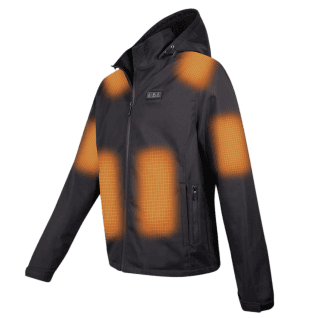
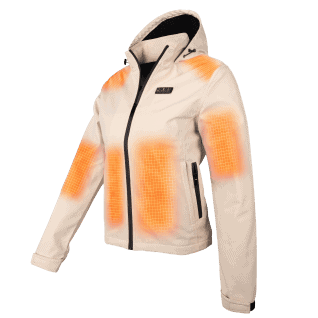
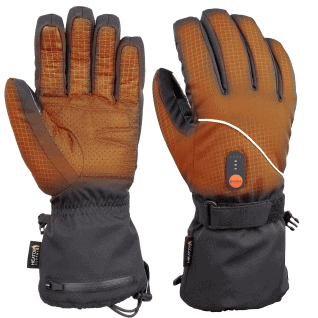
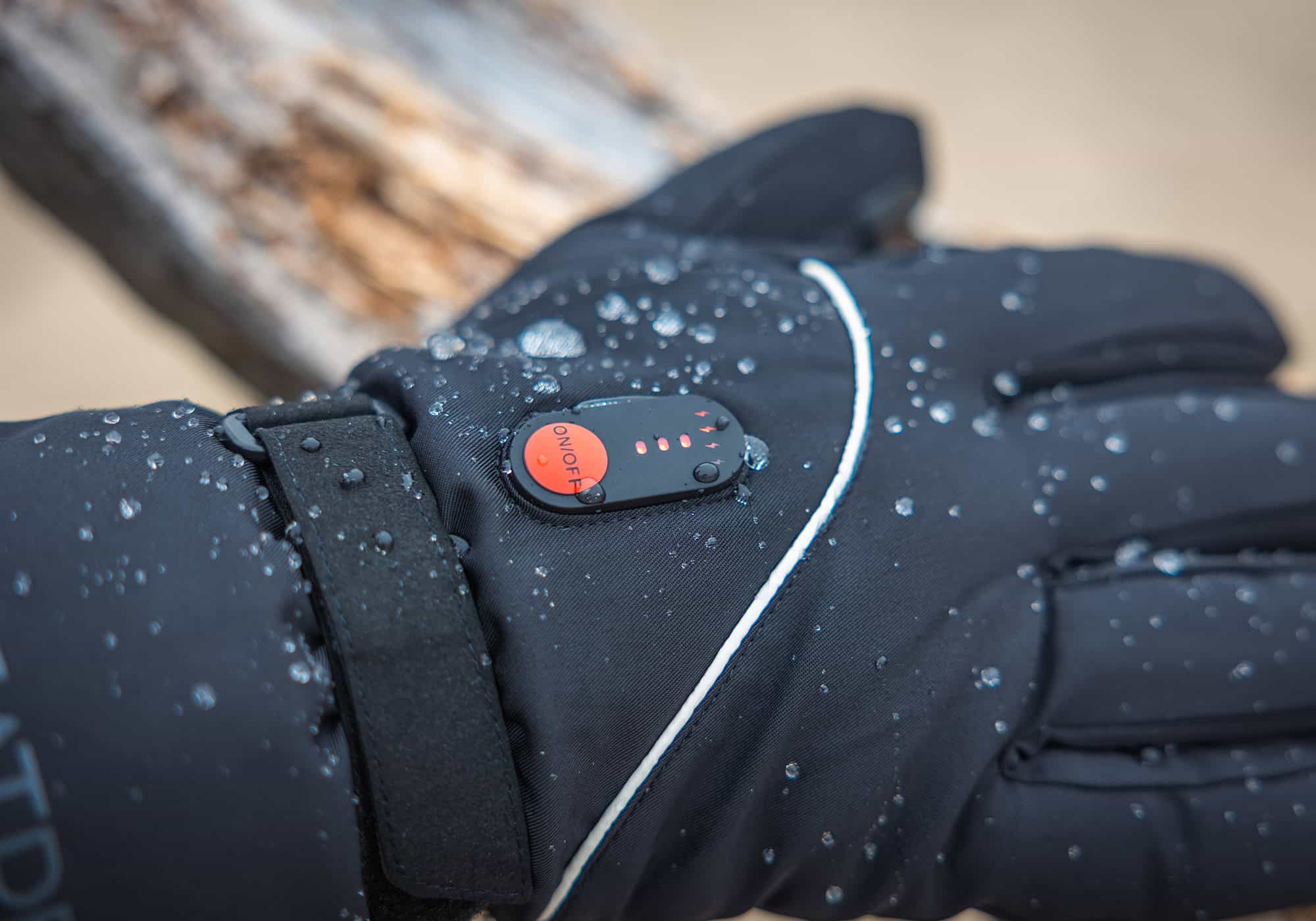
In heated clothing, wind- and water-resistant fabrics play an important role in supporting the effectiveness of the built-in heating elements. When heated clothing is exposed to the elements, such as cold wind or rain, these fabrics help keep the heat in and the elements out. For target groups such as winter sportsmen or outdoor workers, the combination of heating elements and windproof fabrics ensures that heat loss through wind is minimised. At the same time, water-repellent coatings ensure that moisture does not affect the electronics of the heaters.

With heated clothing, it is important that the fabrics not only protect against outdoor conditions, but also efficiently retain internal heat energy. Windproofness is crucial to prevent cold winds from blowing heat out of the clothing, which ensures that the heating elements do not have to work as hard to keep the body warm. In addition, water-repellent properties ensure that the user remains dry, allowing the heating elements to continue doing their job without interfering with moisture.

An added advantage is that wind- and water-repellent materials in heated clothing are often flexible and lightweight, offering freedom of movement to the wearer without feeling heavy or stiff. This makes such clothing particularly suitable for athletes, outdoor adventurers and other users who need a high degree of flexibility and protection.
HIGHLIGHTED PRODUCT

DWR+
Durable Water Repellent Coating
A chemical treatment applied to the surface of a fabric to ensure that water beads off rather than being absorbed.
7.5 kg/m²
Breathability
Indicates how many grams of water vapour per square metre of fabric can evaporate in 24 hours.
6 CFM
Air permeability
Provides a balance of wind protection and breathability for comfort during activities.
×

Get 5% welcome discount on your first order now!

Sign up now for our newsletter, and be the first to receive the latest news and special offers.
This field is for validation purposes and should be left unchanged.