 Free shipping in NL
  & BE
& BE 


On this page, read more about how we precisely regulate the temperature of our heaters, strategically positioning our heaters so that you are no longer cold.
Energy consumption
Heated clothing is equipped with battery-powered electric heating elements. The energy consumption of these garments depends on the duration and intensity of heating. Lower heat settings use less energy, making the batteries last longer, while higher settings use more energy to provide more intense heat. Modern heated clothing often has rechargeable batteries with different adjustable heat settings, giving the user control over the energy balance. Innovations in energy efficiency, such as the development of lighter and more powerful batteries, contribute to longer usage times without sacrificing comfort and warmth.
Body movement and heat distribution
Physical activity has a significant impact on heat distribution in heated clothing. During physical activity, the body generates its own heat, reducing the need for additional heating. This can lead to more even heat distribution, as the body helps itself heat areas that are less well reached by the built-in heating elements. On the other hand, too little movement can cause certain parts of the body to remain cold, especially in extremities such as hands and feet. Heated clothing can compensate for these temperature unevennesses, maintaining a stable body temperature even during inactivity or low physical activity.
Body temperature and heating elements
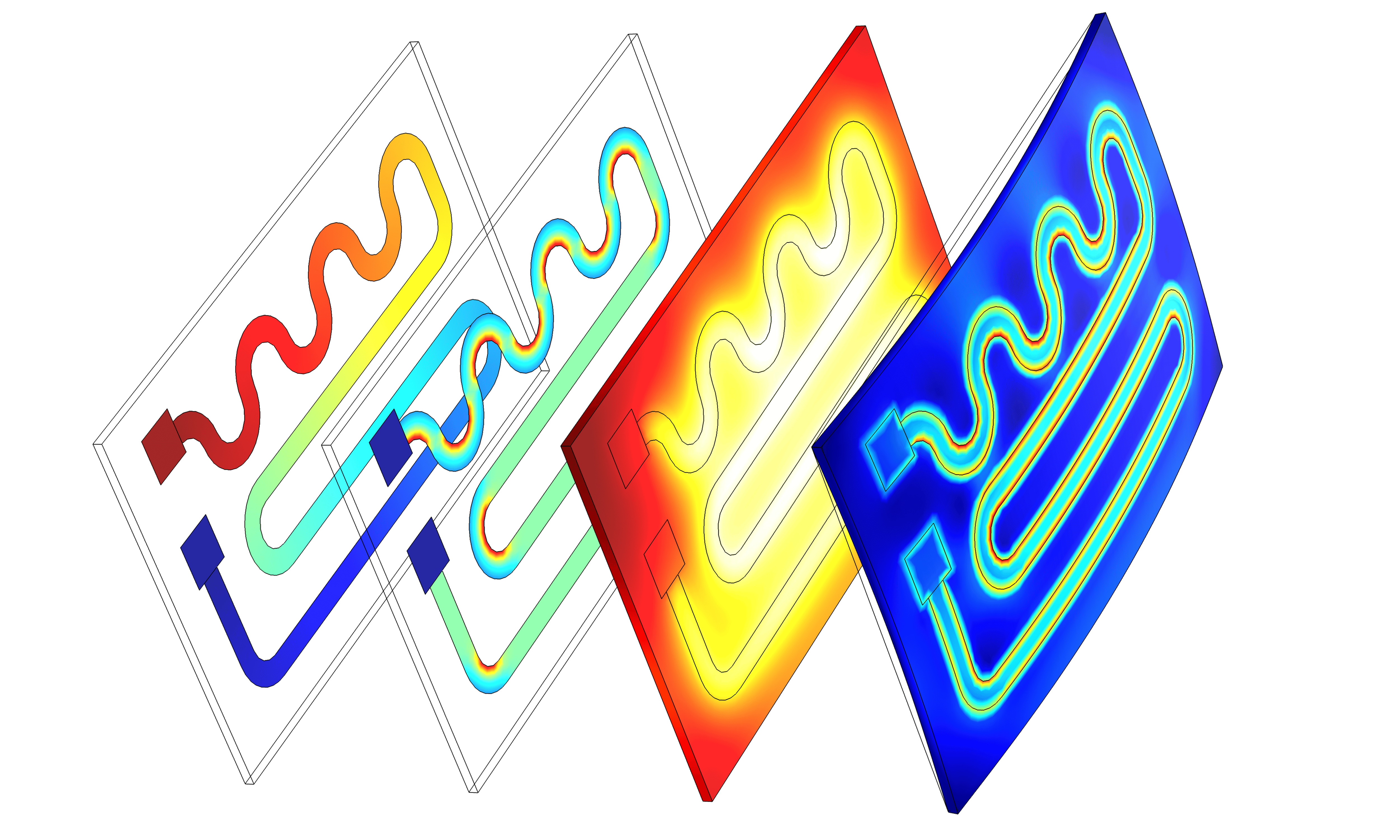
Body temperature plays a crucial role in the effectiveness of heated clothing. Heaters are designed to deliver a constant temperature while taking into account the body's natural heat balance. When body temperature rises, such as during exercise, the heated clothing can be adjusted automatically or manually to prevent overheating. In colder conditions, on the other hand, when the body needs extra help to retain its core heat, the heating elements ensure that the cold stays at bay. The aim is to create harmony between the body's internal heat production and the external heat given off by the clothing, ensuring both comfort and safety.
When you wear heated clothing while your body is cold, the temperature difference between your body and the heating elements is significantly large. As your body warms up through the action of the elements, your body temperature will slowly rise. While this is a positive sign of the effectiveness of the clothing, paradoxically it may seem as if the heating elements become less powerful or feel colder. However, this is often caused by the temperature difference between your body and the heating elements becoming smaller as you warm up. So it is not that the heating elements of your clothing are faulty; the body simply has less heat difference to feel because it is heated more evenly.
Strategic Positioning of Heating Elements
Single-Heating vs. Dual-Heating
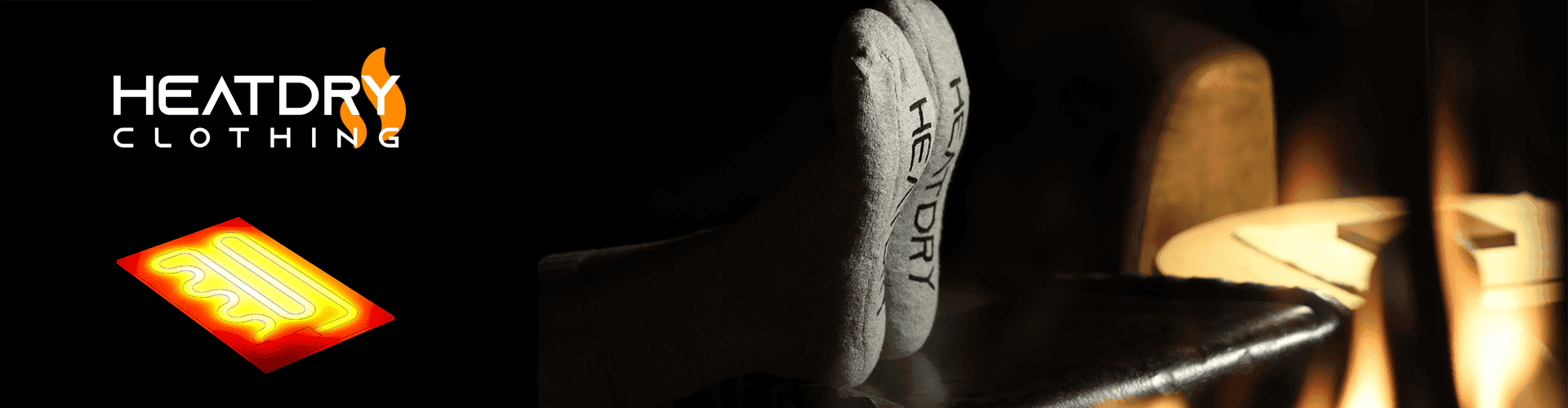
There are various heating systems used in heated clothing, with "single-heating" and "dual-heating" being the most common. In single-heating, heat is delivered from one set of elements, which is often limited to a single zone, such as the chest or back. Dual-heating systems distribute heat to multiple zones, such as both the chest and back, or even to the limbs. This provides much better heat distribution, especially in situations where uniform body temperature is essential. Dual-heating systems offer more control and comfort as they provide greater coverage and are often separately adjustable for different body parts, depending on individual need.
Heated clothing and layers
Combining heated clothing with other garments requires some planning to achieve optimal thermal comfort. Heated clothing functions best as a base layer, directly against the skin or thin clothing. Adding a second or third layer, such as an insulating jacket or waterproof outer layer, retains heat and keeps the body dry and protected from the elements. It is important that these extra layers are breathable to prevent the body from overheating due to trapped heat. The right combination of heated clothing and traditional layers can ensure that you stay warm and comfortable even in the coldest conditions.