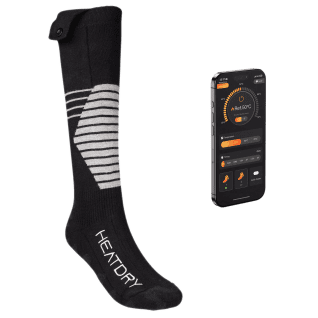
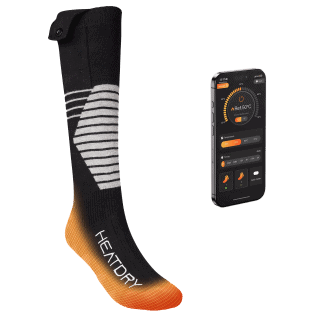
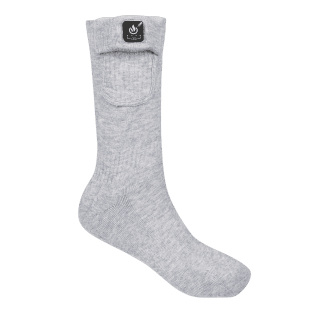
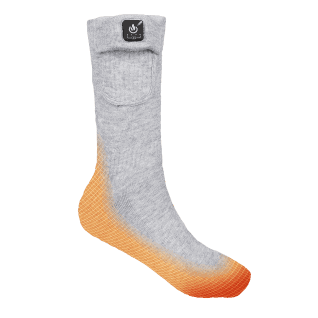
Cold feet are a common problem in winter. Winter toes with red and sore toes due to cold make it even more troublesome. Winter socks offer a practical solution to this. They keep women and men warm, help prevent complaints and come in comfortable and stylish models for home, work and outdoor activities.
This text provides a clear overview of causes and solutions, so that you go into winter better prepared.
What are winter socks and what do they help against?
Winter socks are designed for anyone who suffers from cold feet and wants to get through the winter more comfortably. Whereas ordinary socks are often thin and allow heat to escape, winter socks form an insulating layer that retains heat and wicks away moisture. This keeps toes dry and reduces the risk of complaints such as chilblains, itching or sore skin. Modern winter socks are no longer bulky or boring, but come in smart materials and styles to suit both women and men. They provide long-lasting warmth and comfort when hiking, working or relaxing at home, making the difference between shivering and enjoying the cold months.
Winter socks and winter toes: Causes, complaints and prevention tips
Chilblains are caused by an abnormal reaction of the small blood vessels in skin and underlying tissue to cold. It causes pain, itching, swelling and sometimes even blisters. Prevention revolves around: always keeping warm, dry feet (good winter socks!), not wearing tight shoes, changing socks regularly (especially in wet weather/sports), quitting smoking and avoiding rapid temperature changes. Wool socks and electrically heated socks are the most effective combination against chilblains, according to doctors and users.
Breathable and warm winter socks: how to choose the best pair
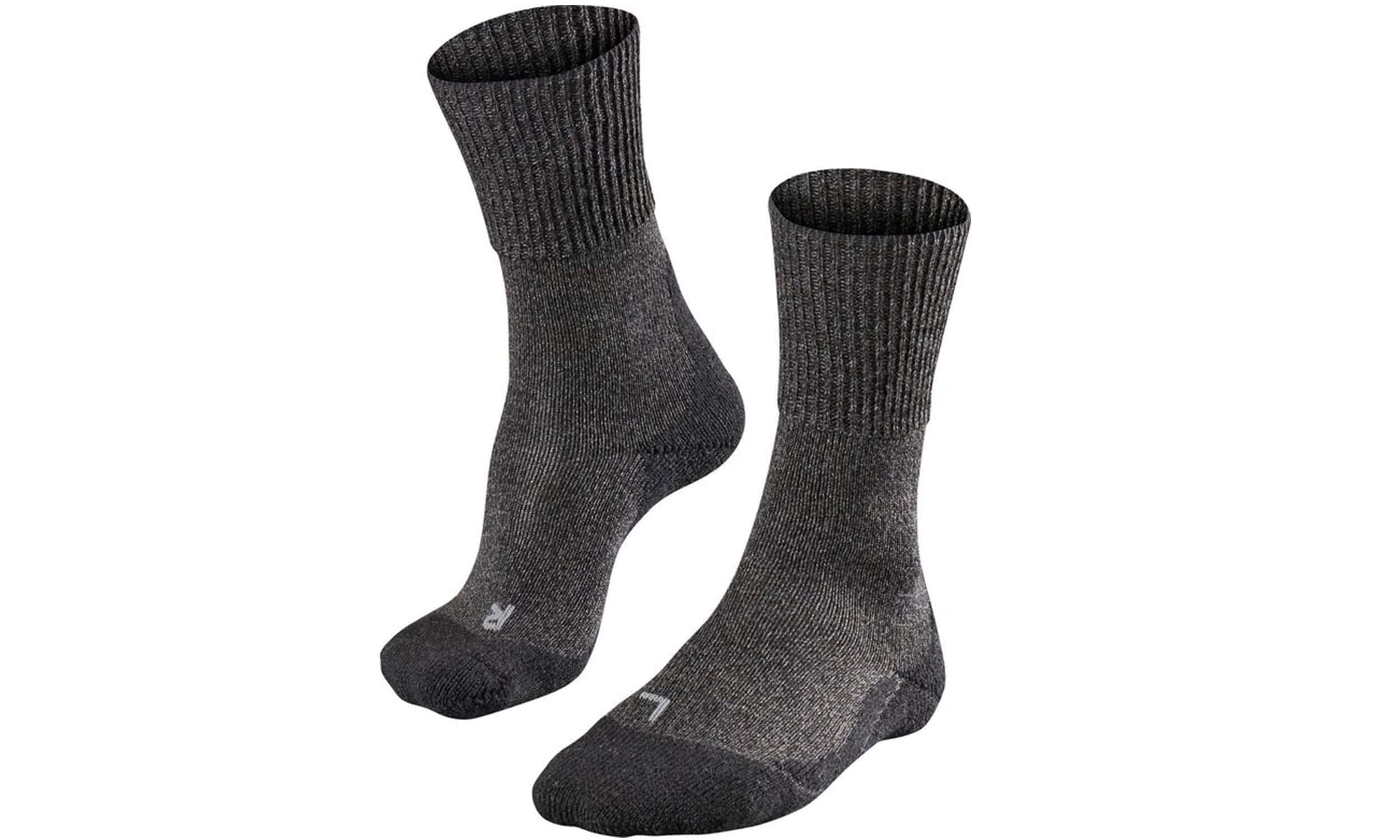
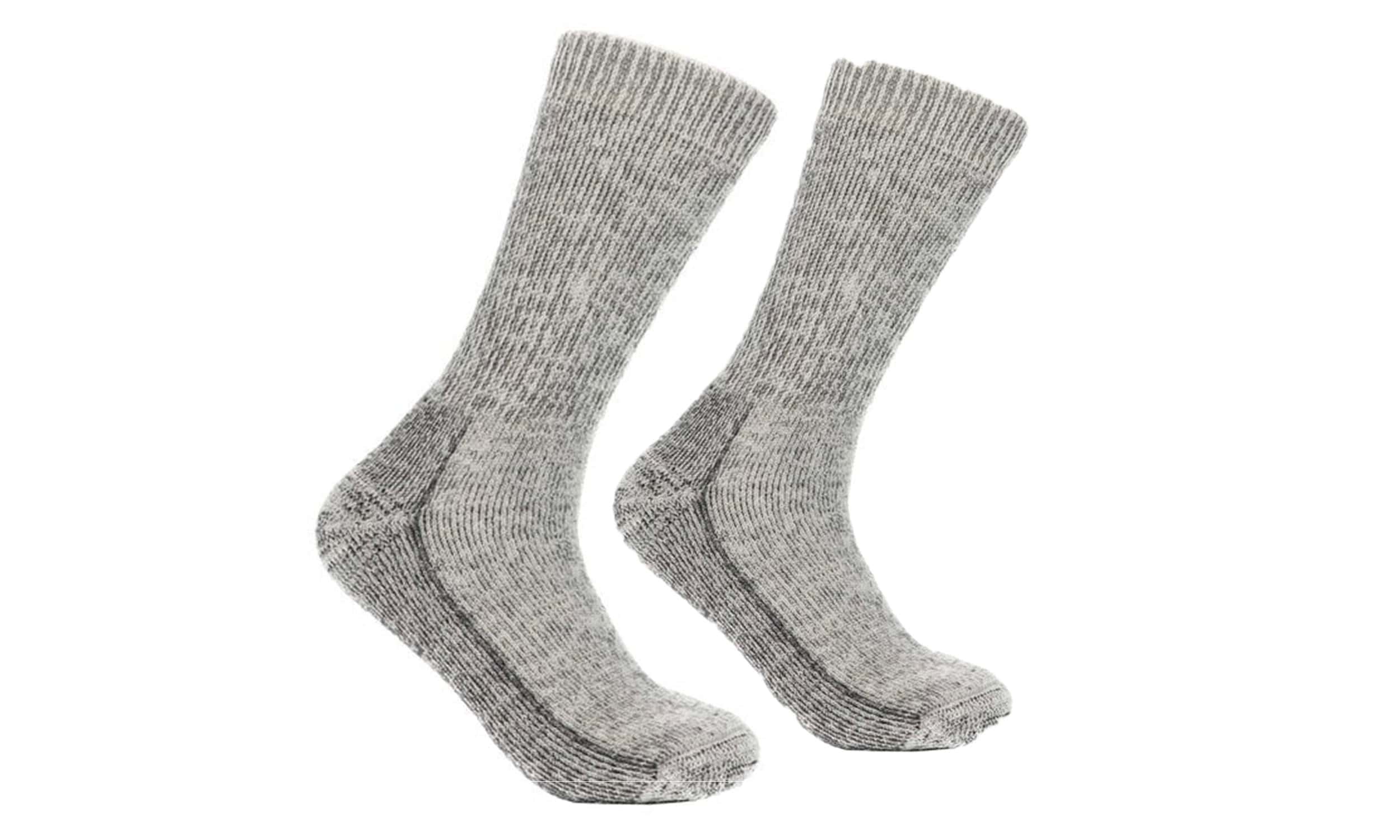
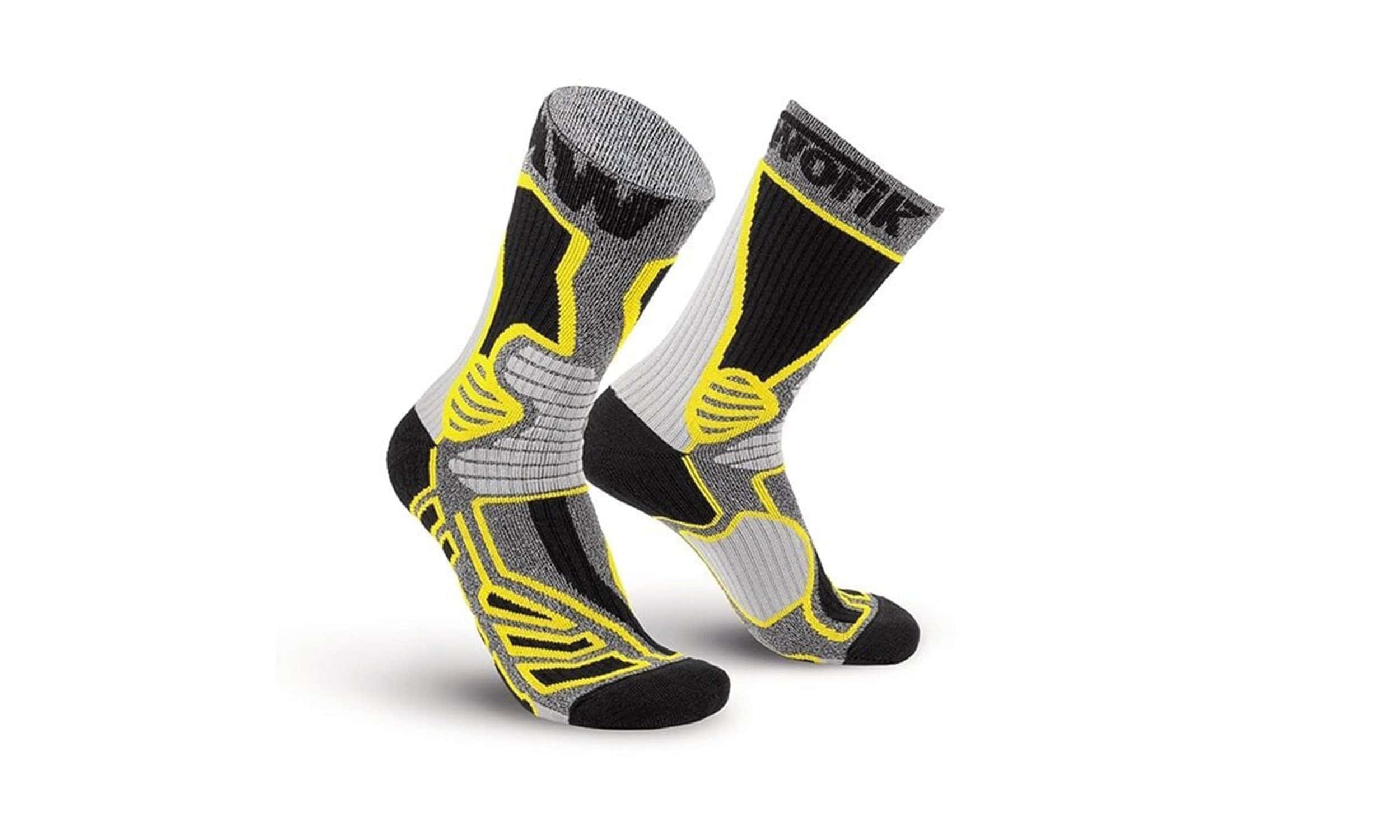
Most people look for a combination of insulation and breathability in their winter socks. Merino and alpaca wool are unsurpassed in this due to their fibre structure: they retain warmth in the cold without making your feet swelter. Technically woven mesh panels offer ventilation in the right places. Avoid pure cotton socks in cold conditions: they retain moisture, making your feet cold faster. For winter hiking, winter sports and outdoor work, winter socks with a high proportion of merino or alpaca are the best choice. Look out for socks with padded soles or extra reinforcement at the heel for comfort and durability.
Winter socks for outdoor work, sports and winter sports
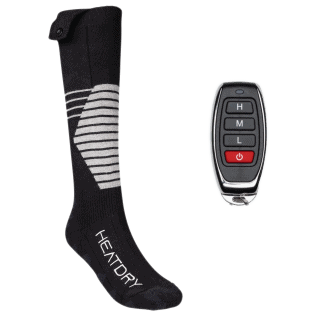
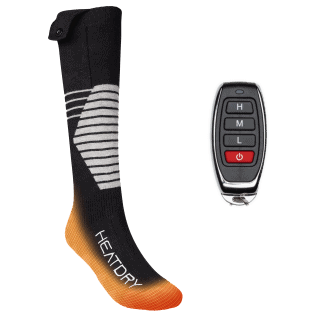
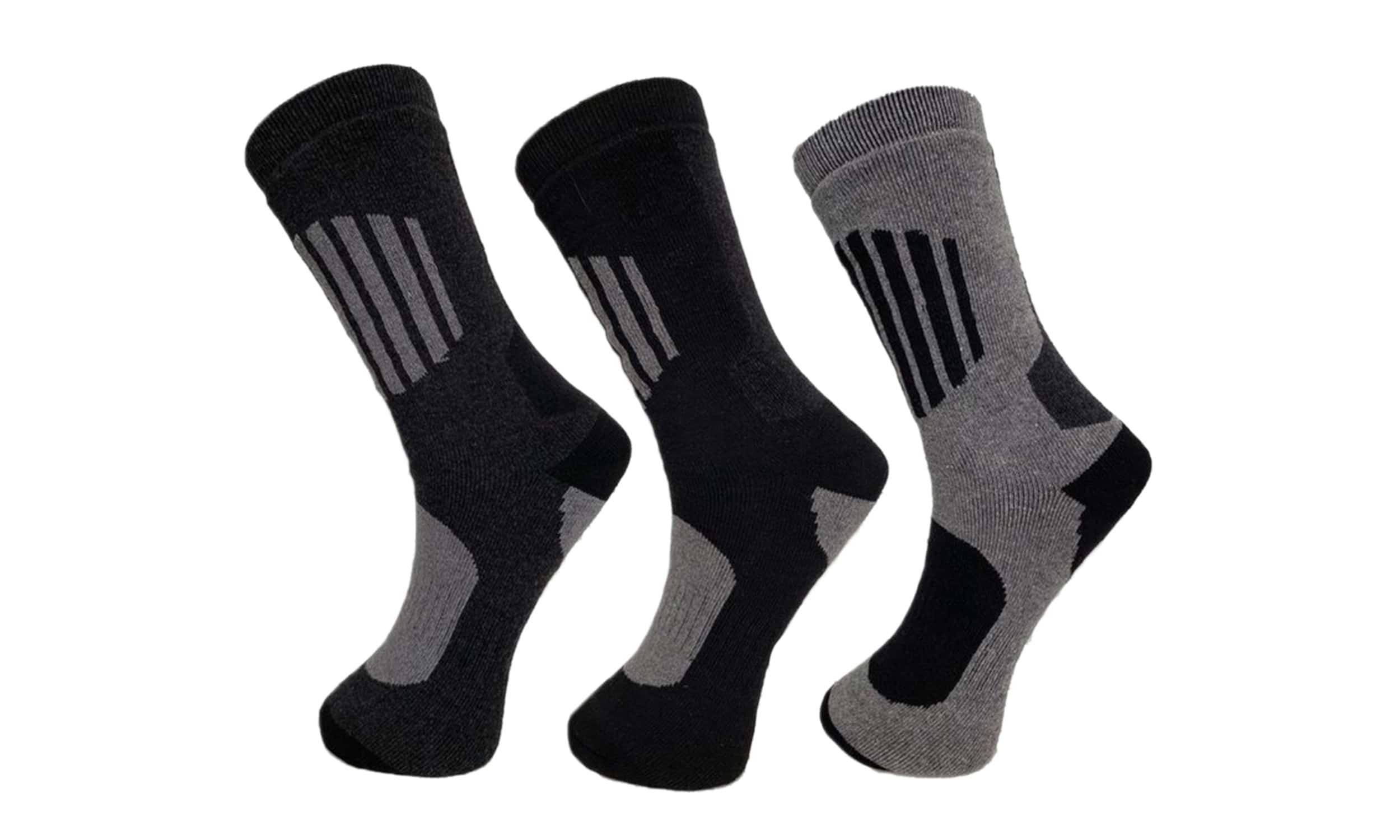
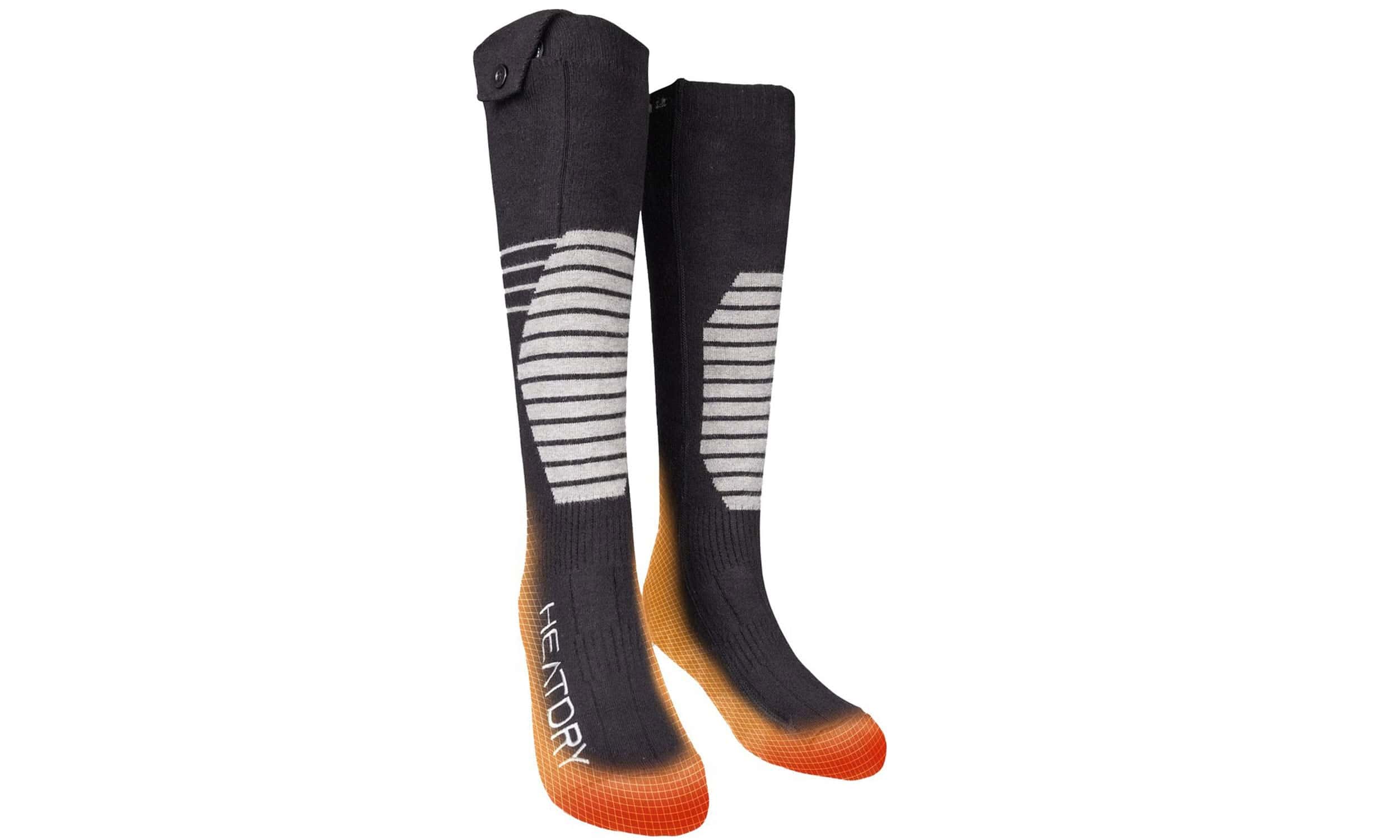
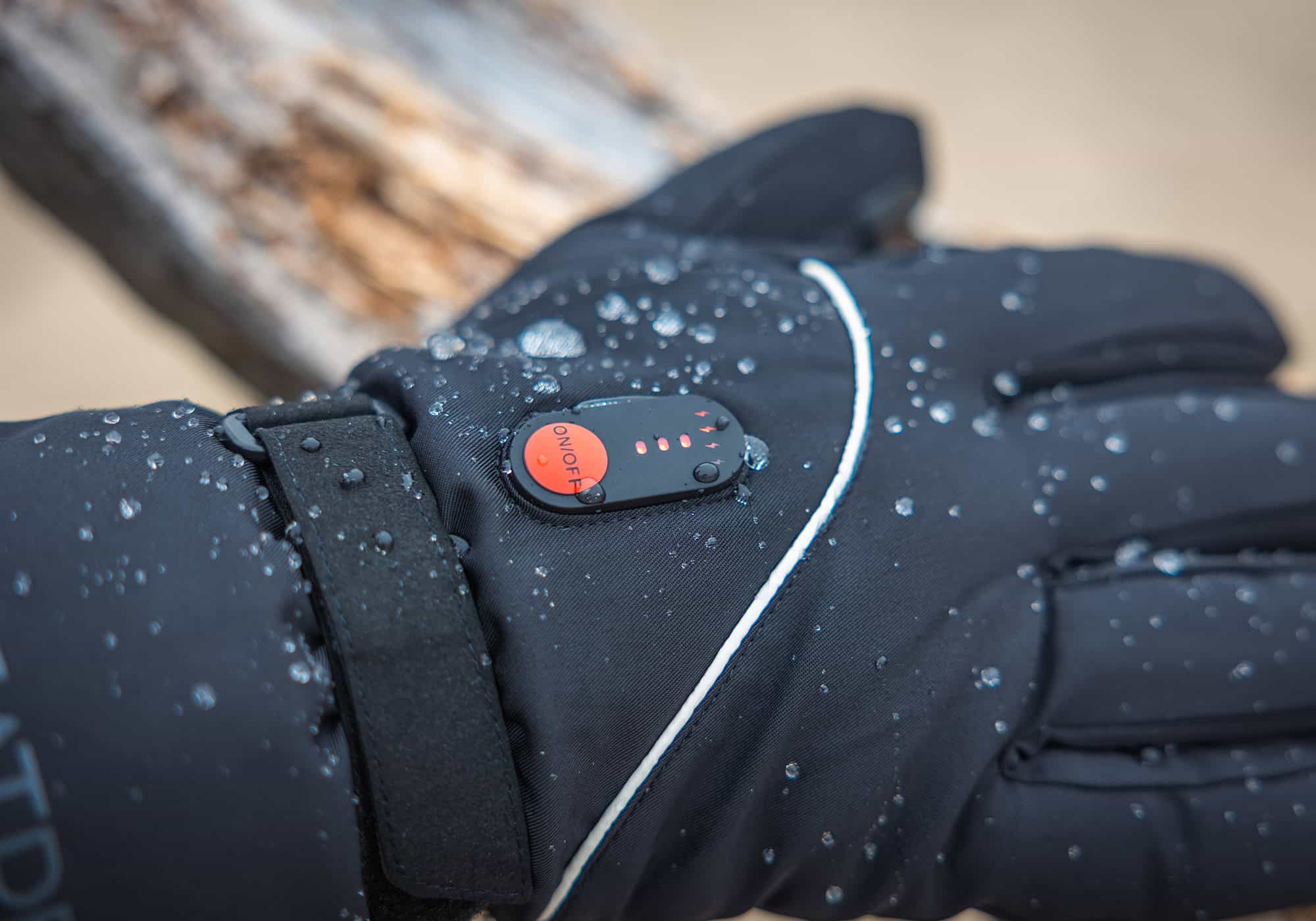
Outdoor socks for winter are essential for those who stand still for long periods of time, work outside or play sports (think construction, security, hikers, cyclists and winter sports enthusiasts). In these situations, choose extra-thick winter socks made of merino wool or a blend with reinforced synthetic yarn. Models with extra-high shaft and reinforced foot sole prevent blisters and chafing. For prolonged exposure or working on cold surfaces, electrically heated socks are recommended. They offer adjustable warmth - for up to 10 hours. Note that these socks are more expensive and require careful maintenance.
Comparison: Electric winter socks - for whom?
Electrically heated winter socks are a godsend for those who still keep cold feet despite normal winter socks: think chronically cold feet, circulatory disorders (including diabetes), Raynaud, outdoor work, fishermen and winter sports enthusiasts. They offer instant adjustable warmth (up to 10 hours of working time), but are pricey (from around €100 per pair) and require careful washing. Test panels and users rave about the comfort and actual reduction of complaints such as chilblains and numb feet.
 Free shipping in NL
  & BE
& BE