 Free shipping in NL
  & BE
& BE 


Cold hands are common in the Netherlands and Belgium, especially in autumn and winter. Although cold from outside often seems the culprit, the cause of cold hands often lies deeper: reduced blood flow, low blood pressure or conditions such as rheumatism. In this article, you will read about medical and non-medical causes, possible treatments and how aids such as heated gloves or clothing from HEATDRY can provide relief. We also answer frequently asked questions, supported by up-to-date advice from (para)medical experts.
Prevalence: How common are cold hands?
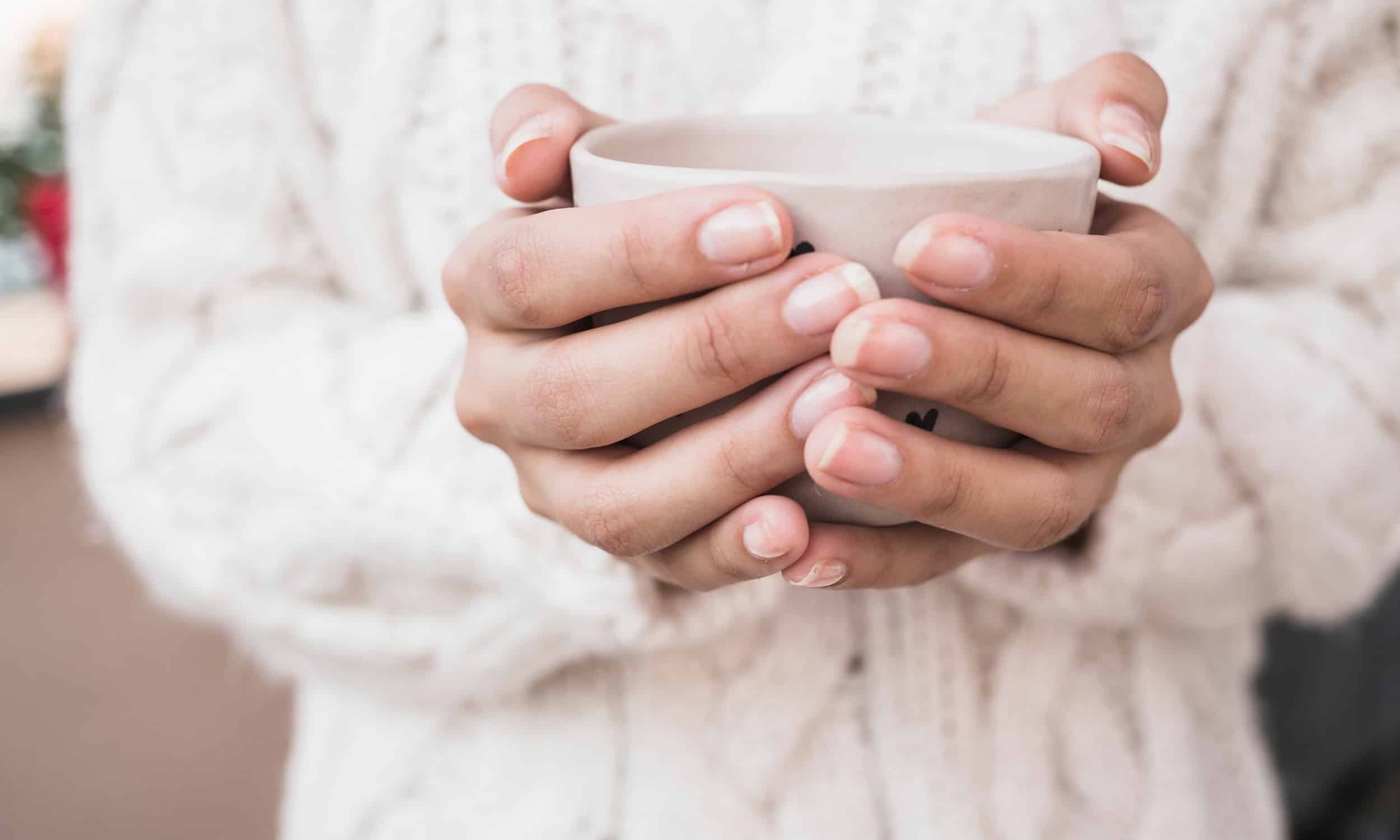
The phenomenon of cold hands is remarkably common. About a third of women and 6-7 per cent of men regularly suffer from cold hands. The fact that women are more susceptible is partly explained by hormonal and anatomical differences. For instance, on average, women have thinner skin and smaller hands, so they lose heat faster. Furthermore, people with low muscle mass, the elderly, people with chronic conditions and people with sedentary jobs are more susceptible to cold hands. Age also plays a major role; with age, blood flow is often less efficient, increasing the likelihood of cold hands. The complaint crosses all population strata but is strikingly common among people suffering from chronic conditions such as rheumatism or diabetes.
Cold hands cause: what are the most common problems?
-
Response to cold
The body squeezes the blood vessels in the skin to keep the organs warm. As a result, less blood flows to the fingers, making them feel cold. -
Raynaud's phenomenon
In this vascular disorder, blood vessels suddenly constrict due to cold or stress. The fingers turn white or blue and feel painful. Raynaud's can occur on its own, but can also be a symptom of underlying conditions such as rheumatism. -
Low blood pressure and anaemia
A low blood pressure causes blood to be pumped less vigorously to the extremities of the body. At anaemia is a lack of red blood cells or haemoglobin, which reduces oxygen transport. Both causes can lead to cold or even blue hands, often combined with fatigue or dizziness. Women and the elderly in particular notice this more quickly. -
Iron or vitamin B12 deficiency
Nutrients are important for good blood flow. So a deficiency can lead to cold or numb hands. This also occurs in people who eat vegetarian or vegan food, or with gastrointestinal problems. -
Slow thyroid (hypothyroidism)
A sluggish thyroid slows down metabolism and lowers body temperature, making you more likely to get cold hands. -
Peripheral vascular diseases
With arteriosclerosis or narrowed blood vessels, blood does not reach the hands as well. This is a common problem in the elderly. -
Side effect of medication
Some drugs - such as beta blockers or antidepressants - affect blood circulation and can cause cold hands. -
Lifestyle
Smoking, little exercise and prolonged stress all negatively affect blood flow and increase the risk of cold hands.
Cold hands and rheumatism: how to solve it?
People with rheumatism, arthritis or osteoarthritis often suffer from cold, stiff and painful hands. Especially at low temperatures, the symptoms increase. The Raynaud's phenomenon thereby occurs relatively frequently in rheumatic diseases such as systemic sclerosis, lupus, polymyositis and rheumatoid arthritis (ReumaNetherlands). Below are possible solutions:
Keeping hands warm
Make sure you always wear gloves in outdoor temperatures below 15 degrees. For people with severe complaints, heated gloves make a big difference.
Keep moving
Regular exercise stimulates blood circulation and reduces stiffness. Walking, cycling and light strength training help, as do simple hand exercises. Many physiotherapists offer special programmes for people with rheumatic complaints.

Medication for severe complaints
Doctors sometimes prescribe vasodilators, such as nifedipine, amlodipine or losartan. These cause blood vessels to relax, allowing blood to flow better to the hands.

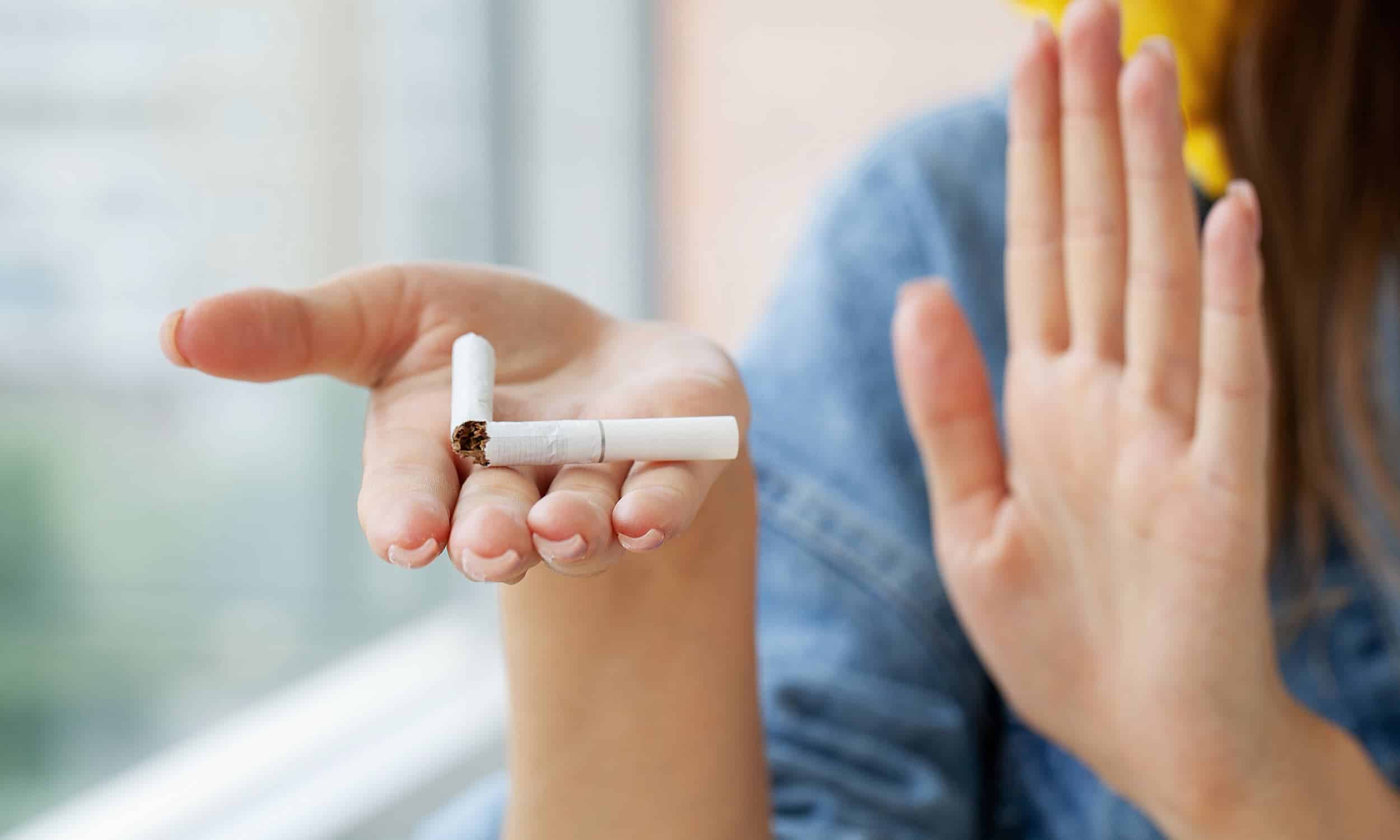
Quitting smoking
Smoking constricts small blood vessels and worsens circulatory problems. In rheumatoid arthritis, quitting is therefore especially important.
Specialist care for severe cases
For persistent symptoms or wounds to the fingers, a doctor may opt for nerve blocks or specialised vascular treatments. Systemic sclerosis often requires additional medical management.

Cold hands cause: expert advice on health problems
In most cases, cold hands innocent and the result of cold or temporary stress. Yet cold hands can sometimes be a signal of a deeper cause are. It is wise to seek medical advice in the following situations:
-
When you have cold hands in mild temperatures or indoors, for no apparent reason.
-
If your hands feel structurally colder than those of others in the same environment.
-
When cold hands combine with pain, numbness or conspicuous discolouration (white, blue, purple or red).
-
With increasing symptoms such as wounds, slow-healing skin or small sores on the fingers.
-
In combination with other symptoms such as extreme fatigue, pallor, shortness of breath or palpitations (possibly indicating anaemia).
-
With symptoms such as weight loss, hair loss, fatigue or dry skin, which may indicate a thyroid problem.
Can cold hands indicate a health problem?
Cold hands are by no means necessarily serious, but in some cases can be a sign of an underlying health problem. Especially when cold hands are accompanied by other symptoms such as numbness, discolouration (such as white, blue or purple), pain or wounds that heal poorly, caution is advised. Sometimes cold hands are a side effect of conditions such as:
- Diabetes mellitus (diabetes), in which nerves and blood vessels can be affected
- Thyroid disorders, which slow down metabolism - Chronic vascular diseases such as peripheral arterial disease
- Severe anaemia or vitamin deficiencies A GP will do a simple examination if symptoms persist, sometimes requesting blood tests and referring to a specialist if necessary.
A test on blood circulation can also be performed, for example using a doppler device or handheld doppler. Early detection of underlying problems is important to avoid complications.
What our customers say:
Battery lasts a surprisingly long time
I was afraid the battery would run out quickly, but it lasts surprisingly long! Even after a day of hiking in the cold, my vest stayed wonderfully warm. The adjustable heat settings are a big plus. I am very satisfied!
Walking possible again (Rheumatism)
Due to my rheumatism, cold hands were always a problem. With these gloves, I can just walk for an hour again without pain. They feel soft and comfortable. I am very happy with them.
Best invention ever!!!
Seriously, I don't understand how I ever lived without these things. My feet were ALWAYS cold, even in bed. Now just warm. Charging batteries... yes you have to do that, but c'mon, what bliss.
What can you do about persistently cold hands? Practical tips
If your hands are persistently cold, there are several steps you can take immediately. These simple measures improve circulation and reduce symptoms:
-
Wear warm clothing in layers
Choose breathable, insulating and windproof gloves. Wool insulates best. In severe cold, it helps to wear several layers on top of each other. -
Keep moving
Regular exercise stimulates blood circulation. Walk daily, cycle or do light hand and finger exercises. Avoid sitting still for long periods behind a desk or in a chair. -
Quitting smoking
Nicotine constricts blood vessels, making cold hands worse. Quitting smoking can often give noticeable improvement soon. -
Limit stress
Prolonged stress causes vasoconstriction. Relaxation exercises such as calm breathing, yoga or mindfulness help improve blood flow. -
Use heat sources
Hot water bottles, an electric hand pillow or heated gloves offer immediate relief. This can make a big difference especially in the elderly and people with rheumatism. -
Pay attention to nutrition
A lack of iron, vitamin B12 or omega-3 can worsen blood flow. Eat a varied diet and if in doubt or complain, consult your doctor about possible supplements. -
Check your medicines
Some medicines, such as beta blockers, can cause cold hands. Consult with your doctor if you suspect this. -
Avoid entrapment
Tight rings, watches or bracelets can restrict blood flow. Prefer to wear these loosely or not at all.
Can you prevent and treat cold hands with heated gloves?
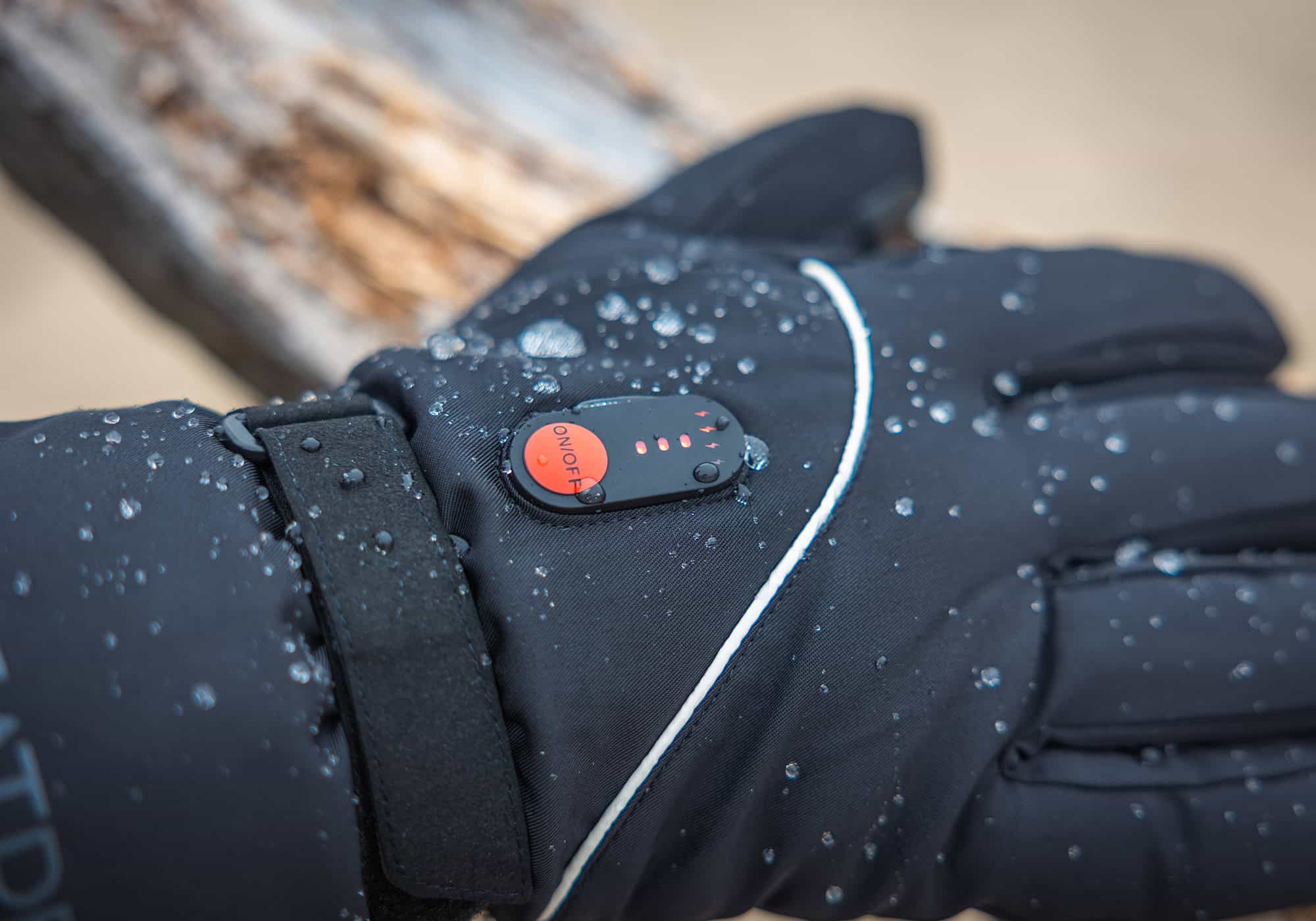
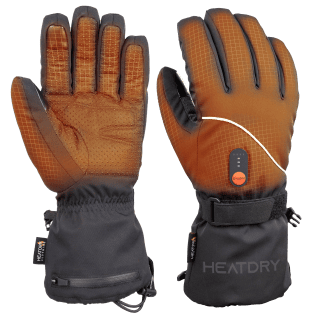
Heated gloves are a proven aid for people chronically suffering from cold hands. Especially with Raynaud's phenomenon or with cold hands due to rheumatism these gloves ensure comfort, reduce pain and preserve hand function. The even heat release keeps fingers supple and prevents further loss of blood flow. This helps not only with medical complaints, but also with anyone who works in cold conditions or is outside a lot.
What should you look out for when choosing heated gloves?
-
Rechargeable batteries: Choose gloves with a battery life of at least 3 to 5 hours, so you can use them all day.
-
Adjustable temperature settings: Allows you to adjust the heat according to conditions.
-
Comfortable fit: A soft inner lining prevents irritation, while a water- and windproof outer layer protects hands well.
-
Flexible models: Thin, lightweight versions are ideal for everyday use, driving or cycling.
For whom?
Besides people with rheumatic complaints or circulatory problems, heated gloves also offer great convenience for:
-
Outdoor enthusiasts (hiking, cycling, winter sports)
-
People working in cold environments (e.g. outdoor work or warehouses)
-
Elderly people more likely to suffer from cold in hands and fingers
👉 Heated gloves are therefore not only a comfort solution, but can also really contribute to the health of your hands.
Which heated gloves are the most comfortable for everyday use?
When choosing heated gloves for daily use, comfort, functionality and duration of warmth are most important. According to [HeatPerformance.co.uk](https://www.heatperformance.nl/hoe-verwarmde-handschoenen-kunnen-helpen-bij-reuma-artritis-en-artrose/), the following types are preferred among users:
| Type of glove | Plus points | Price indication (2024) |
|---|---|---|
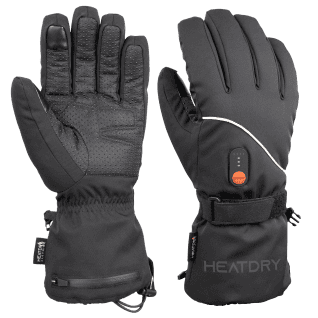
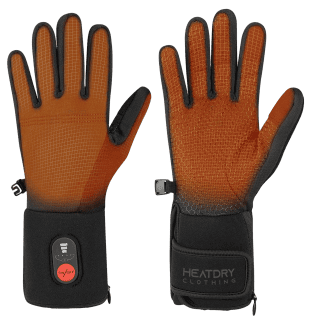
| HEATDRY DailyCore | Resistant to extreme weather conditions, multiple heat settings, long battery life (up to 14 hours) | €150 |
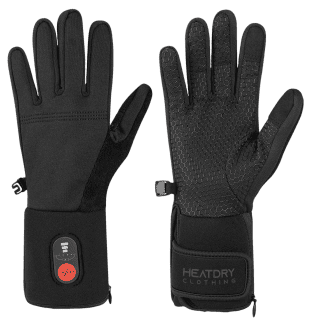
| HEATDRY SlimHeat | Specially designed for everyday use and sports, flexible and thin for good grip | €130 |
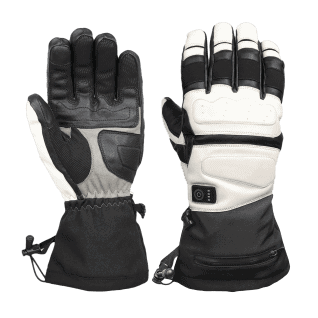
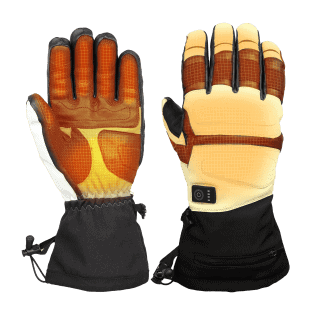
| HEATDRY WinterSport-7.4v | Specially designed for winter sports activities, special inner lining that breathes but does not allow water in. | approximately €170 |
| HEATDRY MotoHeat-7.4v | Specially designed for motorcycling, extra abrasion-resistant fabric, extra protection over the glove. | approximately €170 |
When buying, pay attention to the right size, battery life, and whether the gloves are resistant to wind and rain. Check reviews online and if in doubt, consult with a specialist or occupational therapist.
Cold hands due to low blood pressure: the best approach
-
Stand up quietly
Stand up slowly from bed or a chair. This will prevent dizziness and a sudden drop in blood pressure. -
Drink plenty of water
Provide 1.5 to 2 litres of fluid daily. This keeps blood volume stable and supports circulation. -
Eat smaller, light meals
Several small meals in a day reduce fluctuations in blood pressure. Be moderate with salt and caffeine. -
Pay attention to temperature changes
Both overheated rooms and draughts can affect blood pressure. Avoid large temperature differences. -
Sleep with the headboard slightly higher
A slightly raised headboard prevents nighttime blood pressure drops. -
Keep moving
Exercise strengthens blood vessels and improves circulation. Even light strength or fitness training often helps.
Comparison: cold hands versus other circulatory problems
Not only cold hands, but also cold feet and sometimes even a cold face can indicate disturbances in peripheral blood circulation. This risk is higher in the elderly and smokers, but it occurs at all ages. The symptoms can be localised obstruction (such as in the fingers, for example in Raynaud's disease) or more generalised (as in severe anaemia or heart failure). Compared to tingling, tingling or numbness in the hands, which is more common in nerve problems, in cold hands the blood vessels are the main point of attack. There are also clear differences between cold hands in healthy people (due to weather or temporary stress) and cold hands that indicate medical problems (structural discolouration, pain, wounds). Especially if cold hands occur at night and for long periods, further investigation is wise.
Frequently asked questions about cold hands (FAQ)
Cold hands cause?
Usually harmless (cold/stress), sometimes venous disorders, hormones, anaemia, thyroid, low blood pressure, Raynaud's or rheumatism.
Can cold hands hurt?
In itself rarely dangerous, but may indicate underlying diseases. Consult a doctor in case of prolonged or extreme symptoms.
Are cold hands typical for women?
Yes, men are more likely to have warm hands due to more muscle mass and different hormones.
Are there any home remedies?
Warm drinks, (hand) massage, layer clothes, move hands.
When to see the doctor?
In case of pain, discolouration, numbness, wounds, constant complaints or other symptoms.
Are iron tablets useful?
Only in case of anaemia/deficiency. Get checked via GP.
Cold hands and heart problems?
Usually no direct link unless circulatory problems occur in multiple body parts.
Summary and practical advice for cold hands
Cold hands are usually the result of your body's natural defence mechanism against cold. Sometimes they are the result of a circulation problem such as low blood pressure, Raynaud's phenomenon or rheumatism. For people with chronically cold hands, improving circulation is paramount: exercise enough, stop smoking, eat healthy, and protect your hands from extreme temperatures. Do your hands remain cold for long periods without any immediate cause, or do you experience other symptoms such as pain, numbness or discolouration? If so, always consult a doctor. For daily relief, warm (possibly heated) gloves, exercise and a healthy diet will help. Those with rheumatism, Raynaud's disease or another condition may benefit from more specific solutions and should continue to consult with a specialist about treatment.
Sources: - ReumaNetherlands.nl – TNNonline.co.uk - Article checked for timeliness in June 2024.