 Free shipping in NL
  & BE
& BE 


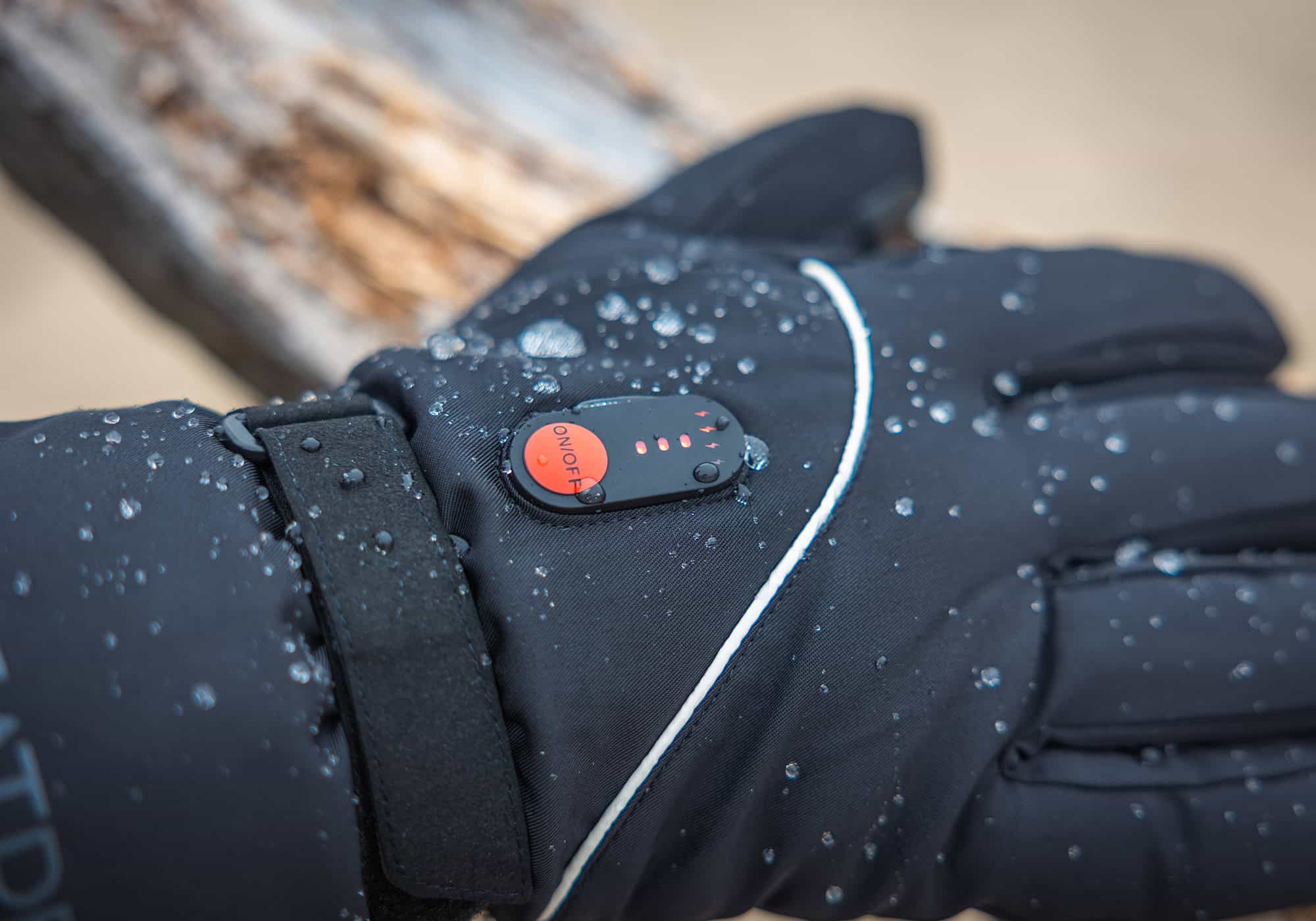
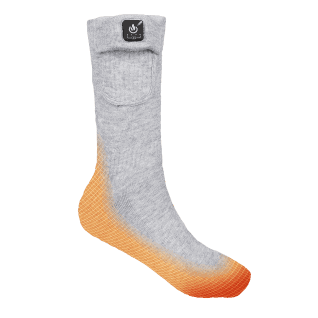
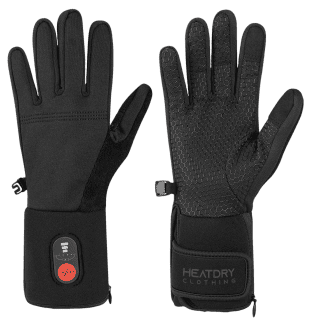
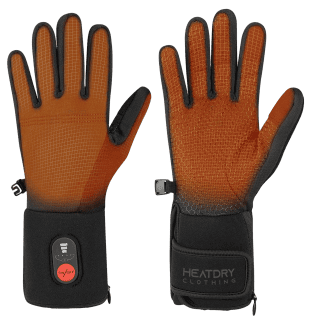
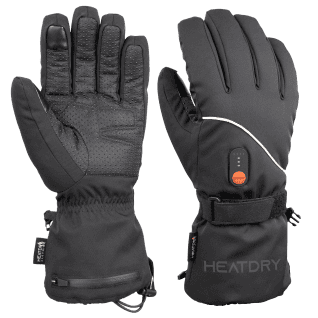
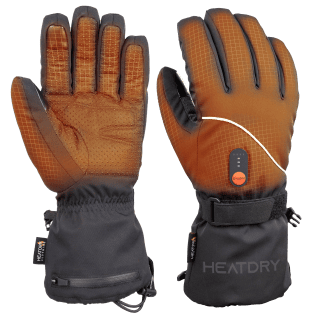
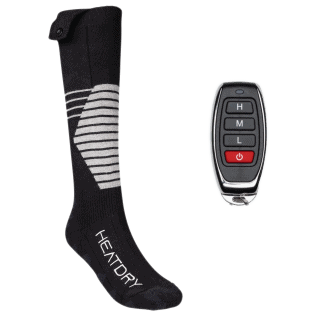
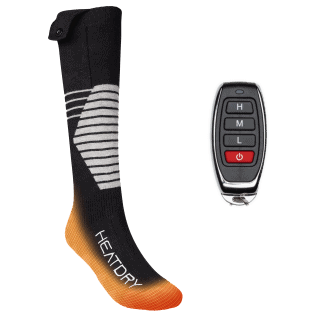
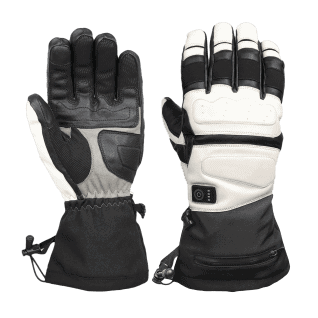
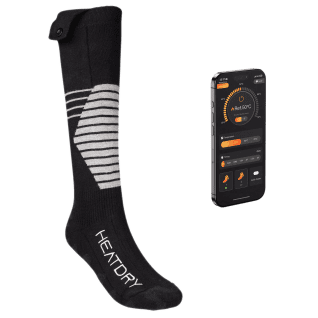
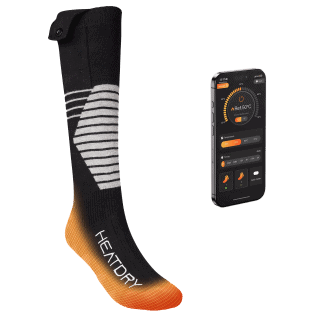
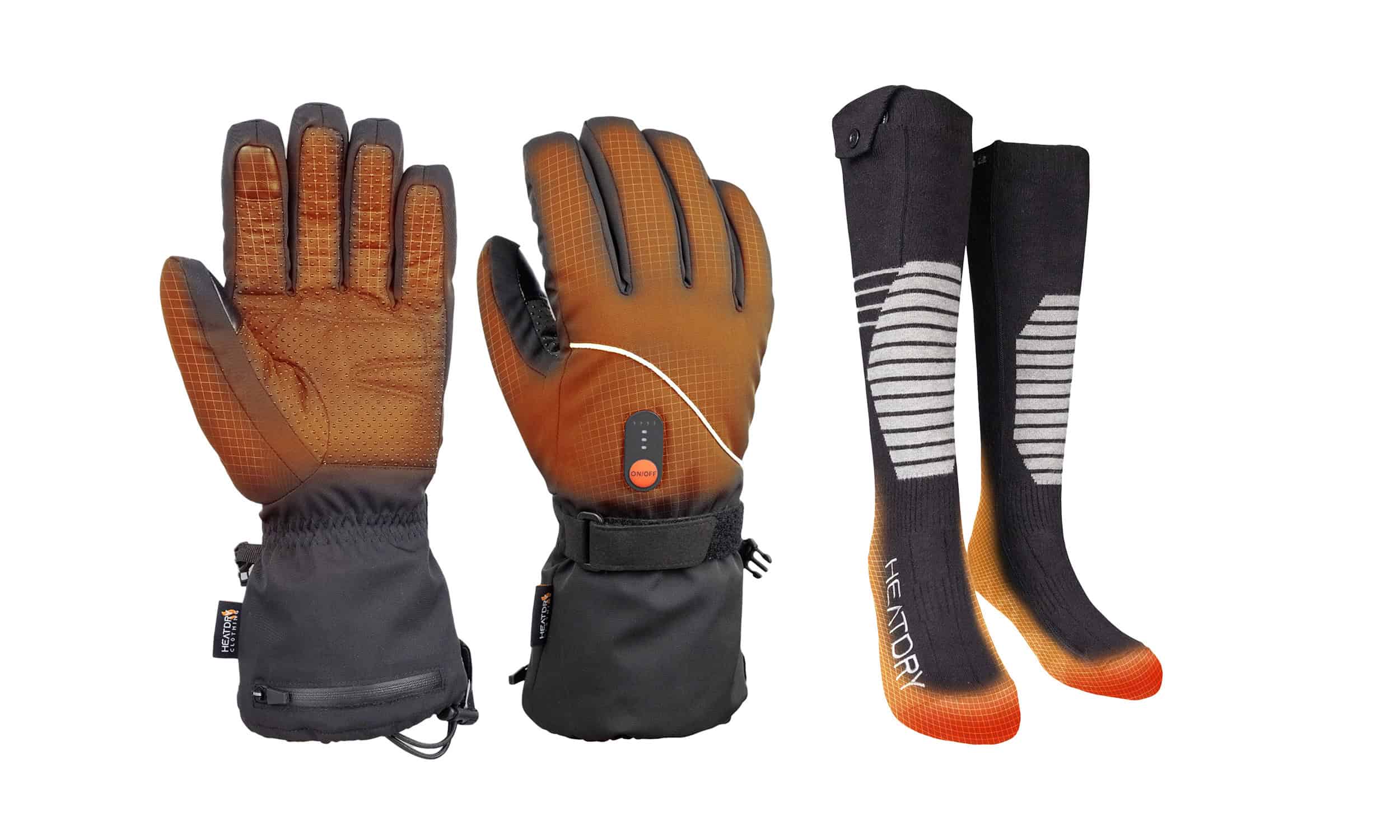
Cold often affects both fingers and toes, resulting in painful, burning spots. Warmth gives rest and prevents new complaints. HEATDRY heated gloves and socks provide pleasant comfort, at home and outdoors.
Winter hands: what are they and how do you recognise them?
Winter hands, also known as perniones, are an annoying condition where small blood vessels in your hands (and sometimes feet) constrict for long periods in response to cold. This results in itching, pain, burning, swelling and reddish-blue to purple-blue patches on the skin. In more severe cases, blisters or even open wounds may develop. Winter hands are common between November and March, especially in people prone to circulation problems. Usually, symptoms are noticeable after exposure to damp cold, but symptoms can also occur with cold, dry weather or touching a cold object. The skin may feel thick and painful, and symptoms often worsen with sudden changes in temperature.
How do winter hands (and feet) occur and why do they worsen with cold?
When cold, blood vessels in hands and feet contract to reduce heat loss. In some people, such as the Raynaud's phenomenon, the vessels remain constricted for too long. This causes oxygen deficiency in the tissue and leads to pain, tingling and sometimes permanent damage. Especially damp cold or sudden reheating of the hands causes symptoms.
There are several risk factors that increase the likelihood of winter hands and winter feet. These include hereditary predisposition, being female, low BMI, smoking and low exercise. Taking certain medications, such as beta blockers, also plays a role. People with autoimmune diseases or rheumatism are especially susceptible.
In addition, wet clothing or gloves and thin, non-insulating shoes significantly increase the risk of symptoms. Good protection with warm socks and gloves is therefore important to prevent attacks and maintain blood flow.
5 practical tips to prevent winter hands complaints
1. Dress in layers, even indoors
Wear warm, dry clothes and choose layers that you can easily adjust. This will prevent cooling down as well as overheating.
3. Stimulate blood flow
Avoid smoking and get plenty of exercise, even in winter. Already a short walk or simple hand exercises help improve blood flow.

4. Protect and care for the skin
Use an oily cream to keep your skin supple and protect it from chaps, wounds and irritation. This keeps the skin barrier strong against cold and moisture.

5. Warm up before going out
Put hands and feet warm in gloves or socks before heading out into the cold. This will prevent blood vessels from contracting and symptoms coming on faster.

What is the difference between winter hands, cold hands, Raynaud's and poor circulation?
Although the symptoms of winter hands often resemble those of Raynaud's phenomenon and cold hands, there are important differences. In Raynaud's, the vasoconstriction occurs suddenly, usually due to cold or stress. The fingers then first turn chalk-white, then blue and, after warming up, bright red. Cold hands, on the other hand, mainly involve a general feeling of coldness without typical skin changes. Poor circulation due to smoking, diabetes or vascular problems, for example, usually results in less locally defined symptoms. Winter hands are distinguished by persistent symptoms, blotchy spots, a lot of itching and the development of swelling. Always consult your GP if you are unsure what you have: underlying disease is more common with Raynaud's than with normal winter hands.
Symptoms and complaints of winter hands & feet
The most common symptoms of winter hands and winter feet are itching, pain, tingling and a burning sensation. Swelling and discolouration ranging from purple-red to blue also often develop. In more severe cases, blisters or small wounds may even develop, especially with prolonged cold.
At chilblains usually affect the outside of the fingers and knuckles. The symptoms often persist for weeks and usually disappear on their own in spring, once the weather gets warmer.
At the Raynaud's phenomenon the symptoms progress differently: fingers - especially the tips - discolour much faster, often as early as cold or stress. Blood flow temporarily stops, causing fingers to turn white and numb before slowly turning red or blue.
he recognition of these signs is important to take timely measures, such as warm clothes, protective socks and gloves, or avoiding damp cold. This will prevent symptoms from worsening and lasting longer.
What helps against painful or itchy winter hands?
Protect your hands from the cold with warm, preferably waterproof (heated) gloves. Put on several layers and keep your hands thoroughly dry. Exercise enough to stimulate your circulation and stop smoking. For itching and irritation, greasing the skin with oily creams such as lanet or vaseline helps. Do not scratch when itching to avoid wounds and treat blisters carefully. There is no medicine that cures winter hands; symptoms usually disappear on their own in spring. Consider heating gloves preventively in case of recurrent complaints.
Which is better for winter hands: heated gloves, mittens or hand warmers?
Electrically heated gloves and mittens provide long-lasting, even heat and are more effective than loose (chemical) hand warmers. Mittens are somewhat warmer (due to less surface area), gloves offer more freedom of movement and ease of use. Within electric models, dual heating gloves (such as from BERTSCHAT) are most recommended for Raynaud's and severe winter hands. Hand warmers are convenient for occasional use, e.g. when walking or playing sports, but offer shorter duration of action.
What our customers say:
Solution for Raynaud at last
I have Raynaud and normally get pain after 5 minutes. With these gloves, I can easily walk the dog for an hour. Setting 2 is often enough. The buttons are a bit tricky with stiff fingers, but that's detail compared to the gain.
Walking possible again (Rheumatism)
Due to my rheumatism, cold hands were always a problem. With these gloves, I can just walk for an hour again without pain. They feel soft and comfortable. I am very happy with them.
For my diabetic mother
My mother has poor circulation due to diabetes and always cold feet. These socks really make a difference for her. She can finally walk peacefully again without pain. Great that something like this exists, she (and I too) are very happy with them!
Which brands and models are most suitable for winter hands (Raynaud's)?
Those looking for the best heated socks and gloves soon end up at HEATDRY. This brand is rated number one time and again by users and tests because of its combination of powerful heat, long battery life and comfortable fit. Especially people with rheumatism, osteoarthritis or winter hands and feet appreciate the even heat distribution and reliability of the batteries.
Other brands like BERTSCHAT® (dual heating), Gerbing (long battery life) and HeatPerformance (thin models) are often mentioned, as are outdoor top brands like Hestra and Arc'teryx. Yet many users end up choosing HEATDRY because of its user-friendly operation, wide range and proven quality in everyday use.
When buying, always ensure a battery life of at least 5 to 8 hours and check the size charts for the right fit. For severe complaints, dual heating can be a solution, but for most users, HEATDRY's standard models already offer more than enough warmth and comfort.
What do experts and users say about heated gloves and clothing for winter hands?
Healthcare professionals and patients with Raynaud/advanced winter hands report a marked reduction in symptoms - especially less pain, loss of strength and wounding. >80% of users say they suffer less from cold fingers. Tip from patient groups: use heated gloves as prevention and at the first signs of cold, not only when your hands are already turning white/blue. Reviews emphasise comfort, effective warmth and easy handling. Battery life and fit are the most frequently mentioned criticisms so try (and return) when in doubt.
How to best use heated gloves against winter hands?
To take full advantage of heated gloves, it is smart to have them already put on before your hands get really cold. This keeps the blood flowing better and prevents cold from taking over. If you also wear them indoors, you will notice that symptoms of sensitivity are much less likely to occur.
Always choose the right size: too tight hinders circulation and too loose causes heat loss. Before going out, check that the battery is fully charged so that you can enjoy hours of constant warmth.
Wash heated gloves only according to instructions, usually by hand, to keep the heating wires protected and prolong their life.
For those who enjoy sports or being active outdoors, it may be useful to have thin heated inner gloves to be worn under regular sports gloves. This way, you combine freedom of movement with the warmth you need, even during intense activities.
Frequently asked questions about winter hands and heated gloves
When do you see your GP with winter hands?
Contact your GP if: the skin is broken; symptoms arise without exposure to cold; symptoms do not disappear in warm weather; you also develop wounds or ulcers; other symptoms are present (such as joint pain or fever); or if you are unsure between the diagnosis of Raynaud and winter hands.
What are heated gloves, mittens and socks?
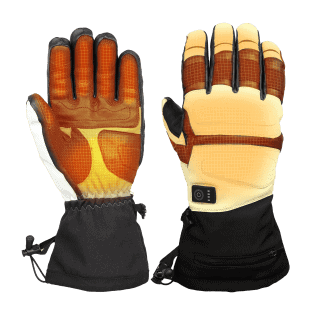
Heated gloves, mittens and socks contain electric heating elements that release heat via rechargeable batteries. They provide active, adjustable heat via thin wires or flexible fibres over palm and sometimes fingertips. Most deluxe models (such as dual heating) also heat the fingertips - essential in Raynaud's case. Heated gloves are available as thin inner gloves (for under regular gloves) or thicker winter gloves for outdoor use. Heated socks and body warmers work in the same way and are suitable for people with winter feet or a general 'cold feeling'.
Prices and availability of heated products (gloves, mittens, socks, clothing, benefit kits 2024 - 2025)
Prices vary depending on brand, features and material: - Heated gloves: basic from €70, advanced with dual heating €130-€250 - Heated mittens: €100-€200 - Undergloves with heating: approx. €60-€90 - Heated socks: €80-€170 - Heated body warmers: €120-€200 - Combi-sets (gloves + socks/body warmer): €200-€350 The Netherlands, Belgium and Germany boast a growing range, with seasonal promotions, benefit bundles and fast delivery from more than ten major webshops. Standard rule: the more heating/zones/battery duration, the higher the price.
Where to buy heated gloves, mittens, socks, clothing and advantage kits (Netherlands, Belgium, Germany and shops nearby)
Online shops with wide choice and often fast delivery (1-2 days): heatdryclothing.com, Comfort-Producten.nl, DutchHeating.nl, R2BStore.nl, HeatPerformance.nl, and Bol.com. In Belgium, Comfort-Producten.nl and Coolblue.nl supply. Decathlon and Bever have basic and outdoor models. In Germany, Amazon.de, Bergfreunde.de, Sport Conrad and regional pharmacies/reuma shops operate. Local winter sports shops in big cities sometimes offer stock and advice. Pay close attention to current stocks, especially in winter peak periods.
Are heated gloves/mittens readily available and what about stock?
In winter, stocks can change quickly due to high demand. Large webshops and specialist shops clearly display stock levels. heatdryclothing.com, Comfort-Products.nl and Bol.com offer up-to-date stock information, fast delivery and often a notification service for new stock. Last items and discount bundles are regularly available.
How to order (online)? Warranty, returns and trial period for heated clothing for winter hands and feet
You can easily order online via the webshops mentioned. All purchases come with EU return legislation (14 to 30 days reflection period) and at least 1 year warranty. Bol.com and Comfort-Producten.nl even offer 30 days free returns. Some brands like HEATDRY offer an exchange service or trial period for non-fitting products. Online payments can be made securely via iDeal, Bancontact, PayPal or credit card. Make sure to use the size chart when ordering and always (!) check the return conditions.
How to choose which heated clothing is suitable for winter hands and feet?
Determine where your symptoms are most severe: fingertips (dual heating gloves), whole hand (standard heated glove/glove), feet (socks or soles), rest of body (body warmer/vest). If necessary, combine advance kits, which are often cheaper. With Raynaud, choose models with full heat distribution, fast heating and long battery life. Read reviews, get advice from specialist shops and try out different options.
Trends in heated clothing for winter hands (2025): innovation & bundles
Expected trends for 2025:
- Smarter batteries (fast charger, USB-C, modular power packs)
- More benefit bundles > heated gloves + socks or body warmers
- Extra-long sizes and ergonomic fits for rheumatoid arthritis sufferers
- Improved waterproofing and appearance - Increased supply in local sports shops and pharmacies