 Free shipping in NL
  & BE
& BE 


Many people suffer from cold feet, sometimes only in winter, but for some they remain cold to the touch all year round. Often this is harmless, but the cause of cold feet can also be related to poor circulation or conditions such as diabetes. In this article, you will read why some people always have cold feet and what practical solutions and products can provide relief.
What are cold feet and how common is it?
Cold feet occur when the temperature in your feet is lower than the rest of your body. According to Skystep.co.uk, about 30% of women experience cold feet regularly, compared to 6-7% of men. This difference is striking and is largely due to physiological factors. Women are more susceptible to cold feet due to hormonal differences, less muscle mass and different fat distribution. Studies also show that women are more likely to suffer from cold feet while sleeping, especially in the winter months. Among the elderly, the incidence increases, with over 40% of people over 65 reporting frequent cold feet. Cold feet can occur in anyone, but certain risk groups emerge more often, such as people with chronic conditions, people in sedentary jobs and runners who train on cold surfaces too often.
Causes of cold feet: from cold to circulation problems
Cold feet can have several causes. Sometimes it is a simple reaction to cold, but often medical or lifestyle factors also come into play. The main causes of cold feet are:
External cold and poor circulation
At low temperatures, the body constricts blood vessels in feet and toes to keep the core warm. Cardiovascular diseases, smoking, little exercise and Raynaud's phenomenon can also cause reduced blood flow and therefore always cold feet.
Lifestyle
A sedentary lifestyle and smoking reduce blood flow and are a common cause of cold feet. Shoes or socks that are too tight also pinch off circulation, making you more likely to suffer. By exercising enough and making healthy choices, you reduce the risk of always cold feet.
Diabetes and medication
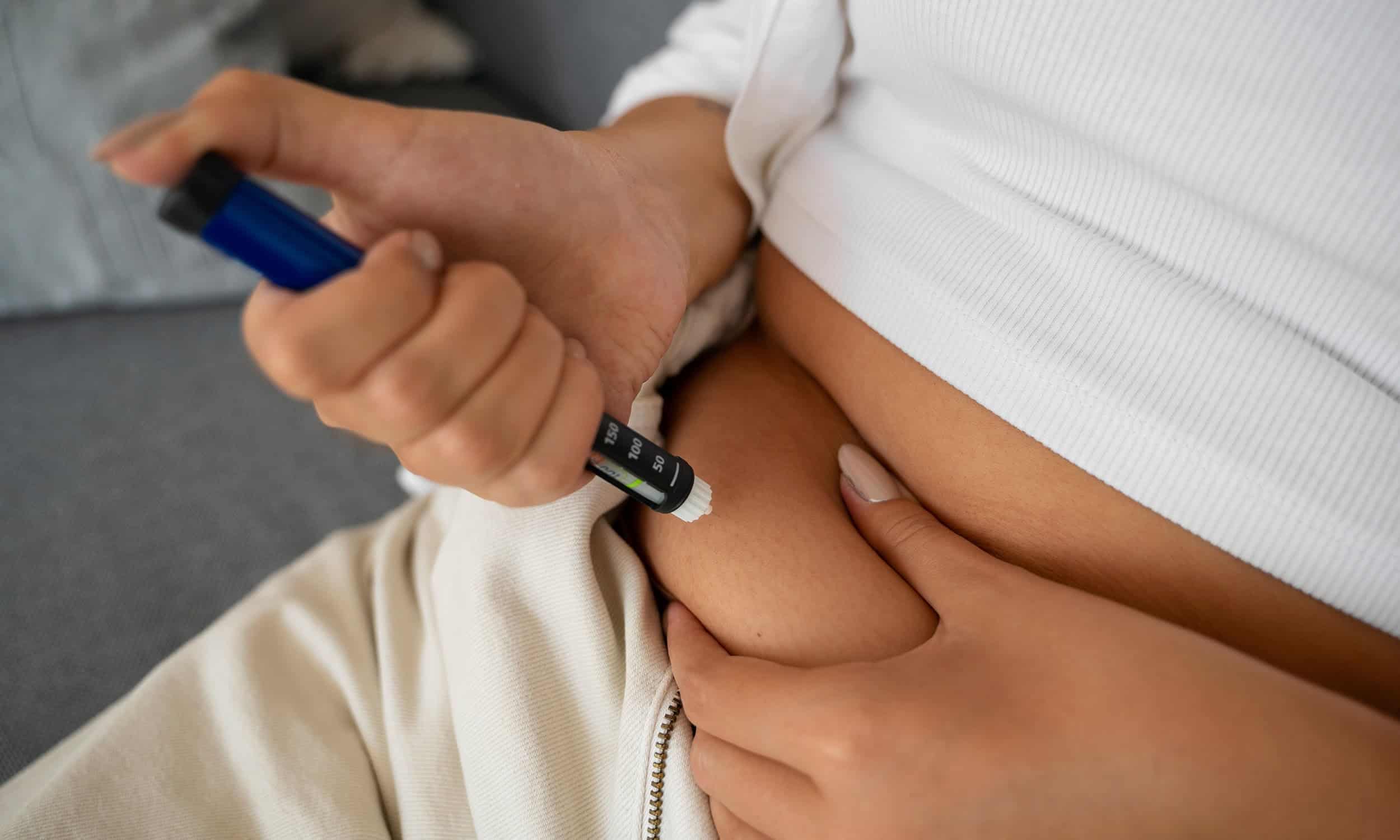
In diabetes, blood vessels and nerves are more easily damaged, which can cause feet to become cold and numb and wounds to heal less well. Some medications also affect blood flow and intensify this effect. Regular foot care, healthy lifestyle and consultation with the doctor help prevent complications.
Hormonal fluctuations
Women experience cold feet more often due to the hormone oestrogen. During menstruation and menopause, this effect is especially noticeable.
Deficiencies and metabolism
A deficiency of vitamin B12 or iron (anaemia) restricts oxygen transport to the feet. A sluggish thyroid gland also slows metabolism and causes the body to cool down faster, resulting in cold feet.
Rheumatic diseases
In rheumatoid arthritis or other inflammatory diseases, blood flow can be reduced and nerves become more sensitive, regularly leading to cold, stiff feet.
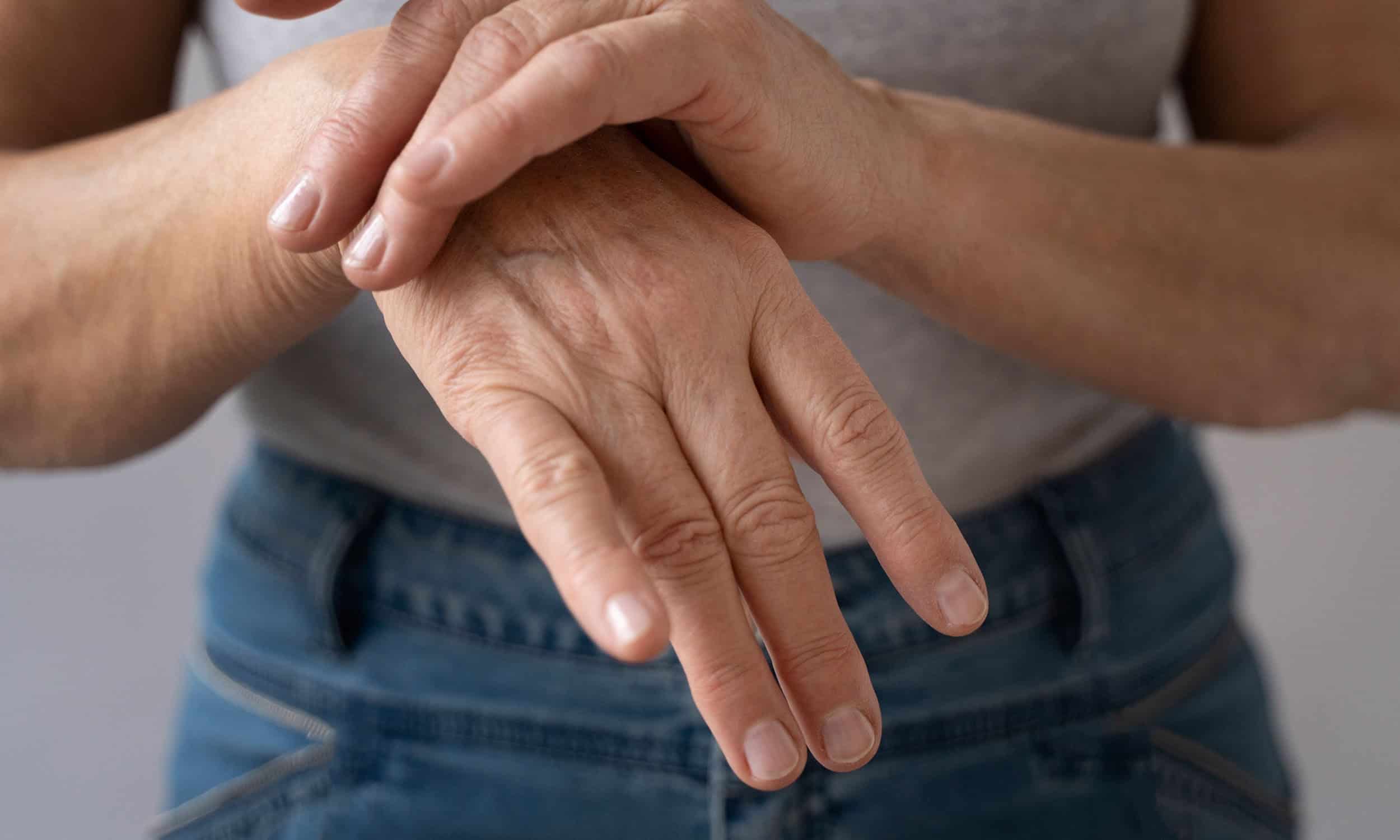
Do cold feet have anything to do with diabetes?
Cold feet can have a major cause in diabetes: reduced blood flow due to damaged blood vessels or nerve damage (neuropathy). Especially with prolonged high blood sugar levels, this risk increases.
According to the Diabetes Fund, over 30% of people with diabetes develop nerve damage to the feet over the years. This can lead to numbness, causing wounds, blisters or pressure spots to go undetected and heal worse. This increases the risk of infections and complications.
What to look out for in diabetes?
- Check feet regularly for wounds, discolouration or swelling.
- Be alert to aching or just numbness in the toes and feet.
- Wear well-fitting, non-shrinking socks and shoes.
- Have feet checked regularly by a podiatrist or pedicurist experienced in diabetes care.
- Keep blood sugar levels as stable as possible to limit damage.
👉 In case of changes or wounds on the feet, it is important to contact the GP or specialist immediately.
What does Chinese medicine say about cold feet?
Within traditional Chinese medicine (TCM), an imbalance between yin (cold, rest) and yang (warmth, activity) is assumed. Cold feet are often seen as a yang deficiency seen: a lack of warming energy. Solutions include warming foods (such as ginger, cinnamon, red dates), warm foot baths and avoiding cold foods and raw food. Furthermore, acupuncture plays a role in stimulating the flow of energy (Qi) to the legs and feet. Research shows that treatment methods such as moxa therapy, burning mugwort herb close to the skin, are effective in relieving cold feet according to TCM principles, especially in women. Chinese medicine also sees the importance of the emotional aspect: prolonged stress or pent-up emotions can contribute to energy blockages in the body, which translates into cold feet.
Are heated socks effective against cold feet in bed?
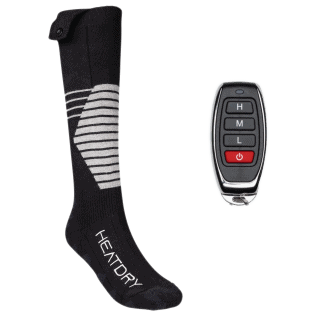
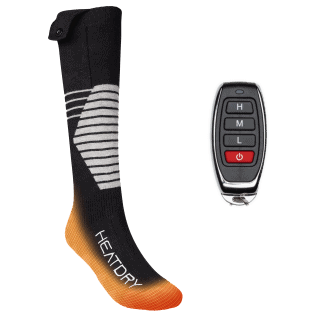
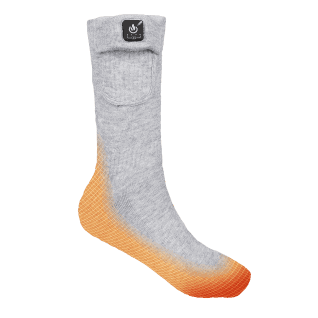
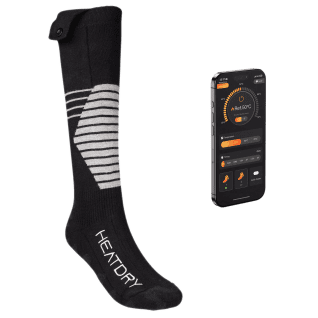
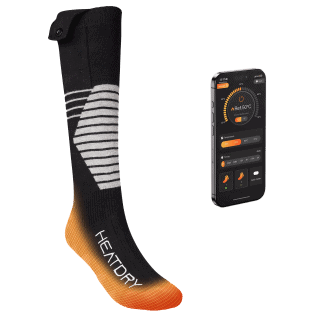
Heated socks are increasingly popular and various tests - such as at Tomzorg.nl - show that electric socks with a battery pack provide long-lasting and reliable warmth even during the coldest nights. They are especially effective when cold feet often keep you awake at night. Electric socks with a temperature control are particularly helpful, as you can adjust the heat intensity according to your personal needs. Many users report falling asleep faster thanks to heated socks: research by the Sleep Institute in Basel (2017) showed that warm feet can speed up falling asleep by 15%, thanks to vasodilatation and relaxation. Inexpensive alternatives such as hot water bottles or hot water bags can also help, but do not provide warmth as long and evenly. Choose socks with soft seams, especially if you have sensitive skin or suffer from diabetes, to avoid friction.
Do heated socks help people with poor circulation?
Yes, for people with moderate to poor circulation (such as those with diabetes, rheumatism or other vascular problems), heated socks can be a godsend. Heat causes vasodilation, which temporarily improves blood flow. This increases oxygen supply to the feet and reduces the cold feeling. Just make sure these socks are not too tight, so as not to impede circulation. Cotton and wool socks are often considered comfortable, but advanced electrically heated models provide a stable, controllable temperature. In clinical settings, special electric slippers are sometimes even used as part of circulation therapy. Do always check your feet if you feel any diminished sensation; burning risk is present in neuropathy if you do not feel the heat properly.
What are your experiences with cold feet products?
Eelectrically heated socks score well in ease of use and effectiveness (see reviews and tests on Tomzorg.nl, R2Bstore.nl and Hulpmiddelenwijzer.nl). Users are particularly enthusiastic about models with long battery life, comfortable fit and adjustable temperature. Thick woollen house socks made of alpaca wool, for example, are praised for their insulating power, but are less suitable if you perspire a lot. Consumer research shows that 85% of users with "always cold feet" benefit from electric socks, while about 10% say wool socks are sufficient. For people with medical conditions or underlying conditions, seamless socks with built-in sensors are popular as they do not cause pressure points. Side note: electrically heated socks need to be recharged occasionally and require minor maintenance.
Frequently asked questions about cold feet
When should I see a GP?
If you have prolonged cold feet with no obvious cause, especially if you have pain, discolouration or wounds that do not heal. If you are known to have diabetes, vascular problems or rheumatism, be extra vigilant.
Does multi-layer clothing help?
Yes, thin layers insulate better than one thick layer, including socks. Try a thin woollen sock under a thicker house sock for extra insulation.
Are cold feet more common in women?
Yes, women (especially between 15-40 years) are 75-90% more likely to suffer from it due to less muscle mass and hormonal differences. Source: Bellepaga.com
Are there any home remedies for cold feet?
A foot bath with mustard powder or magnesium salt helps activate blood flow. It also works to stand and wiggle your toes regularly.
What is the role of nutrition?
Regular hot, spicy drinks (such as ginger tea) and eating 'hot' products promote energy flow in the body, according to both Western and Chinese views.
What our customers say:
Along the football pitch finally no cold
I often stand by my children's pitch. Where before I was shivering, now I can watch relaxed, even two games in a row. It feels luxurious to just have warm hands, while everyone around me is complaining hihi.
Handy but pricey
They do what they promise: warm feet. But for the price, I actually expected the batteries to last longer. After 4 hours on the warmest setting, they are usually empty.
Warm, but feels weird
They get really hot, but sometimes it feels like my toes are getting too hot and then I turn them down again. It takes some time to find the right setting.