 Free shipping in NL
  & BE
& BE 


At HEATDRY Clothing, we understand how annoying it is to have cold, numb or painful hands, especially if you live with Raynaud's syndrome or osteoarthritis. When temperatures drop and humidity rises in autumn and winter, many people find that their hand function deteriorates and daily discomfort increases. In this comprehensive article, we discuss everything you need to know about heated gloves for Raynaud's and osteoarthritis. You will find reliable information, honest advice and clear comparisons of the best models available.
What is Raynaud's syndrome?
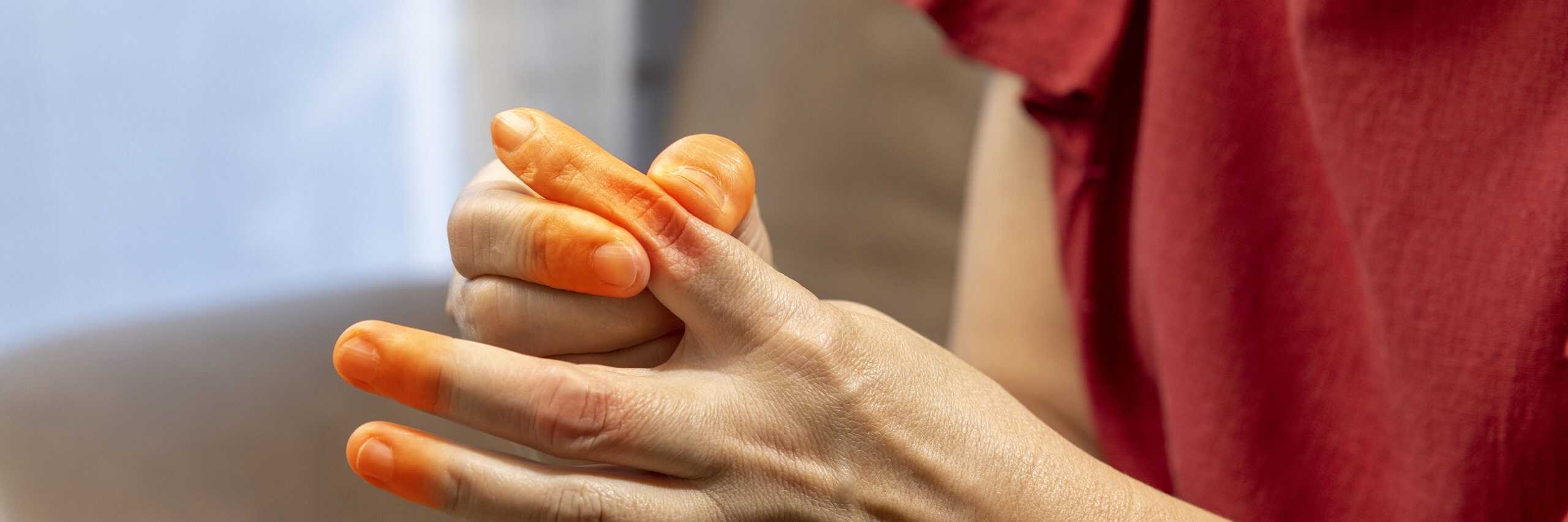
Raynaud's phenomenon is a vascular disorder in which the small blood vessels in the fingers (and sometimes toes, nose, ears) temporarily contract violently, resulting in reduced blood flow. Typical symptoms include white or blue discolouration, numbness, tingling, cold and sometimes pain. During an attack, fingers may turn waxy white or blue, followed by redness and tingling as blood flow returns. Raynaud is distinguished into a primary form ('with no obvious underlying cause') and a secondary form where the cause is other conditions such as rheumatoid arthritis, lupus or osteoarthritis. The most common triggering factors are exposure to cold and sudden emotional stress.
Epidemiological studies show that an estimated 3 to 8% of the Dutch population, or over half a million people, have Raynaud's form. Women are affected significantly more often than men; more than twice as often. Especially in the 20-50 age group, the risk is highest. In addition, the condition is more common in people with rheumatic complaints, connective tissue disorders and people regularly exposed to vibration or cold (e.g. due to work or outdoor sports).
What is osteoarthritis and why are cold hands a problem?
In osteoarthritis, the cartilage in the joints wears down, leading to pain, stiffness and a decrease in mobility, especially in the hands and fingers. Osteoarthritis is the most common rheumatic disease, affecting more than 300 million people worldwide. It is estimated that over 25% of over-65s in the Netherlands struggle with hand osteoarthritis. Cold often has an adverse effect: stiffness, pain and fatigue increase in low temperatures, making the hands more difficult to use in daily life.
Scientific research shows that heat has positive effects on osteoarthritis symptoms: it relaxes tendons and muscles, reduces stiffness and makes movement easier. Patients indicate in surveys that their hand function and overall comfort improve significantly with extra heat, including through heated gloves. Morning stiffness in particular becomes less severe, and daily tasks such as writing, typing, cooking or housework are more manageable.
What exactly are heated gloves?
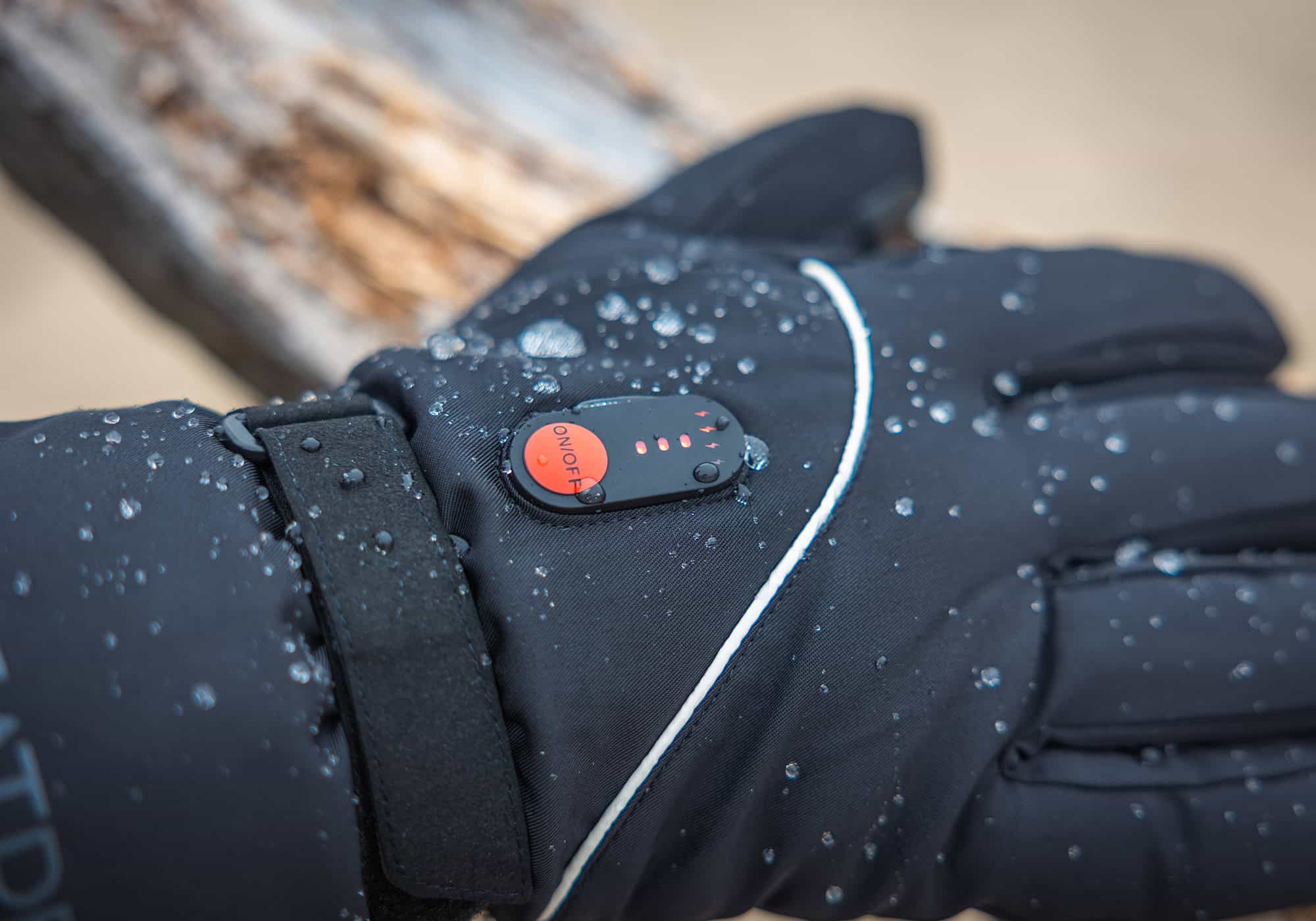
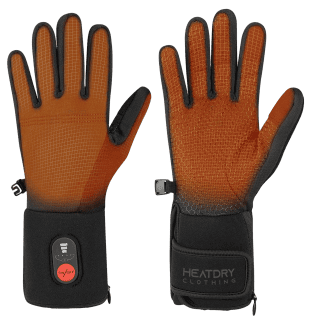
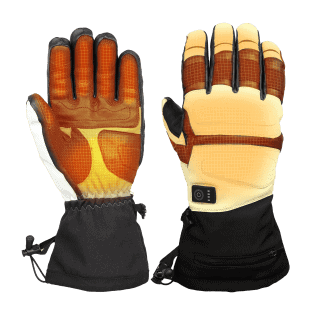
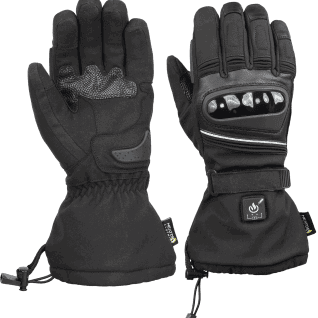
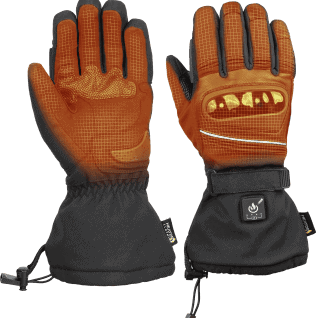
Heated gloves are innovative gloves with built-in electric heating elements that work on rechargeable batteries. Heat is usually spread via lightweight fibres or thin electrodes to the palm, back and sometimes the fingertips. Many models feature adjustable temperature settings so the user can control the heat intensity. A push of a button selects between different heat levels, making the glove suitable for a variety of weather conditions and personal preferences.
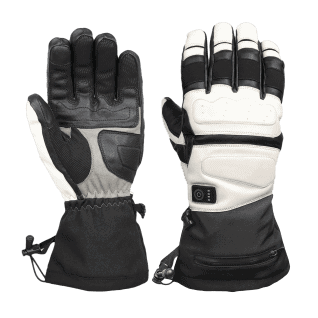
There are different versions, ranging from thin, flexible inner gloves (suitable as an underlayer) to thicker, well-insulated outer gloves for outdoor use. More expensive models sometimes have dual heating (extra heating at the fingertips), extra-long battery life (4 to 8 hours on a medium setting or up to 12 hours on the lowest setting), quick heating and moisture-resistant materials. All this ensures that heated gloves for Raynaud's and osteoarthritis can be adapted to specific complaints, activities and conditions.
Do these help keep the hands warm with Raynaud's?
Yes, heated gloves actually provide relief from Raynaud's. Both clinical research, user experience and advice from healthcare professionals show that these gloves help to noticeably reduce symptoms. Active heating reduces the likelihood of an attack where blood vessels suddenly contract. As a result, your hands stay better circulated and warm, even when cold or stressed.
More than 80 per cent of users report experiencing fewer symptoms such as discolouration, pain and numbness when wearing good heated gloves. The effect is especially noticeable when the gloves are put on immediately as soon as it gets colder.
A key benefit is that these gloves support blood flow. Complaints such as tingling, numbness and loss of sensation are therefore milder or even prevented altogether. Models that offer complete warmth around the fingers receive the highest ratings from people with Raynaud. Some even report needing less medication thanks to regular use of these gloves.
Do heated gloves positively influence Raynaud's symptoms or osteoarthritis?
Both medical specialists and user reports note that heated gloves have a clear positive impact on Raynaud's symptoms as well as osteoarthritis. For Raynaud's, this means fewer attacks, reduced severity and duration of symptoms, fewer cold or numb fingers and improved overall hand sensation. For osteoarthritis, stiffness and pain are reduced, leading to greater freedom of movement and improved hand function.
In practice, this means:
- Less violent reactions to cold
- Less frequent and less severe discolouration of the fingers
- Better circulation and less painful stiffness
- A faster recovery after an attack
- Greater comfort, security and independence in daily activities.
User studies structurally show that people with Raynaud's and osteoarthritis find heated gloves valuable in everyday life. In doing so, they also experience less fear of an attack in cold weather or during outdoor activities.
Are there differences between heated gloves for Raynaud's and osteoarthritis?
The basis of all heated gloves is the same: they offer active adjustable warmth to protect your hands from cold, stiffness and discomfort. Yet there are important differences in design and functions that make a big difference especially for people with Raynaud's or osteoarthritis.
- At Raynaud's the focus is on rapid warm-up and full heat distribution, including to the fingertips. Long battery life is key to avoid unexpected attacks. The gloves must remain flexible so that your fingers can move well. It is also important that the material breathes well while blocking wind and water, especially when used outdoors.
- For osteoarthritis other elements are important. Think soft comfortable materials, an ergonomic fit without pinching seams and enough room for swollen joints. Some models combine light compression with heating and feature open fingertips for more grip and freedom of movement during daily activities.
Some brands offer separate lines for Raynaud or osteoarthritis, while other models are universally applicable. It is always important to carefully consider your personal symptoms and preferences before making a choice.
Are there special heated gloves for osteoarthritis?
Yes, there are separate heated gloves for people with osteoarthritis. Usually these are sold as 'rheumatoid arthritis gloves' or 'osteoarthritis gloves' with integrated heating and mild compression. These gloves improve blood circulation, provide support to joints and reduce stiffness and pain. Features include:
- Materials such as soft cotton, elastane or antibacterial fabrics for optimal comfort
- Light to moderate compression for extra support without pinching
- Open, half or closed fingertips
- Multiple temperature settings adapted to the sensitivity of osteoarthritic hands
- Sufficient stretch and adjustability to also accommodate swollen joints In the Netherlands, brands such as HEATDRY Clothing and BERTSCHAT are popular.
Always dwell on your personal needs and if in doubt, seek advice from an occupational therapist or specialist.

Which heated gloves are recommended for osteoarthritis?
The best heated gloves for people with Raynaud are characterised by rapid warming, even distribution of heat (especially to the fingertips), strong insulation and a battery life of at least several hours. From independent reviews and patient experiences, the following models are rated very well:
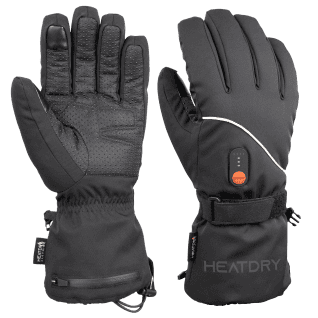
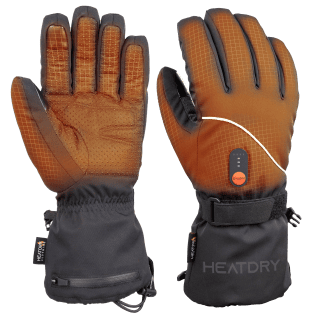
- HEATDRY Clothing DailyCore gloves: features long battery life (up to 14 hours), and full heating zones through the gloves, across the fingertips. Heat is felt down to -15 degrees celcius, as they are incredibly well insulated.
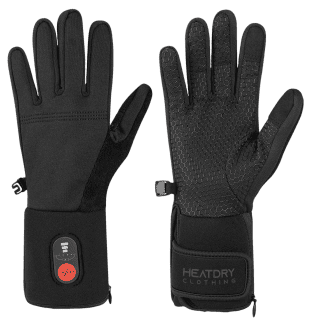
- HEATDRY Clothing SlimHeat gloves: features an ultra-thin fabric, and optimal heating experience that goes over the fingertips. The heat is perceptible up to about 5 degrees above 0, after which the perceptible heat decreases.
- BERTSCHAT® Dual Heating gloves: features dual heating (also the fingertips get heat), rechargeable batteries, extra insulation (Thinsulate), waterproof outer layer, and ergonomic design. Battery life ranges from 4 to 8 hours.
- HeatPerformance® PRO, NATURE, CLASSIC or TITAN: these models offer reliable performance, many heat settings and long-lasting, gentle heat distribution throughout the hand. Also suitable for everyday use due to their comfort and low weight.
For all models, pay close attention to battery life (at least 4 hours on an average setting), sufficient freedom of movement, water- and windproofness, and whether gloves suit your daily activities (walking, cycling, work, etc.). For mild Raynaud symptoms, silver-threaded gloves can suffice, but active heating gives the best results for moderate to severe symptoms.
What to look out for when buying heated gloves (Raynaud & osteoarthritis)
1. Temperature settings - Choose gloves with multiple settings, so you can adjust the warmth to suit your feel and type of activity.
2. Battery life - Choose models that stay warm for at least 4 hours on medium setting. Some devices have replaceable batteries for longer life.
3. Fit - Not too tight (because of blood flow and pain) and not too loose (because of heat loss and ease of use).
4. Water and wind resistance - essential for outdoor use!
5. Type of heating element - Choose gloves with even heat around hand and fingertips, not just at the back of the hand.
6. Operation - pay attention to position of buttons, wearing comfort and whether gloves can be operated intuitively, even with stiff fingers.
7. Maintenance - check whether it is possible to wash the liner or keep the glove hygienically clean.
8. Service and warranty - Inquire about service conditions, warranty period, accessibility of customer service and availability of spare parts.
Does combining heated gloves with regular gloves help?
Yes, especially thin inner gloves with heating can be worn under a thicker outer glove for extra protection against extreme cold.
Will I get reimbursement from health insurance?
Usually not, unless you have an official indication and your doctor or rheumatologist can substantiate it. Always ask whether (partial) reimbursement is possible for specific types of gloves, such as silver-threaded gloves.
Can I do anything with heated gloves?
Most modern models are designed to allow normal activities such as cycling, walking, typing, working or gardening. When buying, do look at function and flexibility of the model you choose.
Can I wash heated gloves?
Most heated gloves can be hand-washed. HEATDRY Clothing has developed a special technology and uses high-quality materials that allow any type of heated gloves to be washed both by hand and machine wash. See this page and read the manual and washing instructions carefully.
Which types are less suitable?
Stiff, poorly insulated gloves or gloves with a short battery life are less suitable for daily use with Raynaud's or osteoarthritis. Similarly, gloves that do not transport heat well to the fingertips are less effective.
Are there any alternatives?
Yes, consider hand warmers, heated soles or socks (for people with Raynaud in feet and toes), extra insulating mittens or wristbands and heated wristbands. Sometimes wearing woollen, silk or silver-threaded gloves already helps with mild symptoms.
Can heated gloves cause damage with Raynaud's?
When used correctly, heated gloves generally safe. However, there are a few important concerns, especially for people with severe Raynaud's or reduced sensation in the hands.
Note the following:
- Do not wear the gloves too tightly. This will prevent the blood supply from being obstructed.
- Do not use the heater on the highest setting for long periods of time. If you experience a burning sensation or pain, switch back immediately or turn off the gloves.
- Check your skin regularly, especially if you have less feeling in your hands. Watch for redness, irritation or other changes.
Always follow the manufacturer's instructions and only charge the gloves with the charger provided. When you follow these guidelines, the risk of damage is very low. The relief from symptoms such as stiffness, pain and numbness far outweighs any discomfort.
What are the differences in gloves for Raynaud's and osteoarthritis?
The biggest difference is in fit and function:
- Gloves for Raynaud focus mainly on quick warmth and good insulation. They warm the entire hand, including the fingertips, and are often made for protection against cold outdoors.
- Gloves for osteoarthritis are designed with attention to soft materials, cushioning and light compression. Some models have open fingertips, making it easier to perform fine handling.
Many gloves can be used universally, but it is still important to pay close attention to your personal situation. Consider your sensitivity, hand size and the type of activities you use the gloves. for.
Summary: the best advice
For people with Raynaud's syndrome or osteoarthritis, heated gloves are a proven effective way to reduce symptoms of cold, pain, stiffness and numbness. Choose a pair that suits your symptoms, daily activities and personal preferences. Pay particular attention to battery life, comfort, fit and adjustable heat settings. If in doubt, contact a doctor, occupational therapist or medical specialist before purchasing. With the right pair heated gloves improves your hand function, reduces pain and - even in the cold season - you enjoy daily activities more again.