 Free shipping in NL
  & BE
& BE 


Numb toes are a common problem, especially in winter. Feeling as if you are 'walking on cotton wool' or have no feeling at all in (one of) your toes can be harmless, but sometimes indicates serious medical conditions, such as diabetes or Raynaud's phenomenon. Besides being annoying and uncomfortable, numb (big) toes can also be reason to take a good look at your health.
What are numb toes? Symptoms and recognition
With numb toes, you feel less or nothing at all in one or more toes. This can occur temporarily, for example after a long walk or cycling in cold weather, but can also persist for a longer period of time. Numbness is often accompanied by tingling, a numb feeling, tingling or a cold sensation. The symptoms can appear in one toe (usually the big toe), but also in both feet at the same time. Distinguishing between temporary and permanent loss of sensation is important: especially with persistent symptoms, examination is important to rule out more serious causes.
Numb toes: Causes listed
- Diabetes (neuropathy): Diabetes often leads to nerve damage in the feet, which can cause sensation to disappear. This is called diabetic neuropathy and often develops insidiously, with the symptoms being a numb, tingling or burning sensation.
- Raynaud's phenomenon: With cold or stress, blood vessels temporarily contract extremely tightly. Toes turn white, bluish and become numb. These vasospasms occur mostly in women aged between 20 and 40 years (Heart Foundation).
- Ill-fitting shoes or socks: Squeezing shoes or tight socks can temporarily pinch nerves and blood vessels in the foot. Never walk for a long time with pinching shoes.
- Cold (winter toes): Low temperatures cause blood vessels to contract, reducing blood flow to the toes. Especially with prolonged cold, nerves can be damaged.
- Other causes: Peripheral vascular diseases, hernia, rheumatism, MS and other neurological disorders, alcohol consumption, infections and vitamin deficiencies can also cause numb toes.
It is important to always consult a doctor in case of persistent symptoms, wounds that heal badly or extra pain. Senseless big toes can sometimes be a sign of incipient diabetic foot problems.
Facts and figures about cold and numb toes
- About 20 to 30% of people with diabetes suffer from neuropathy of the feet. Untreated, this can lead to severe infections and sometimes amputation (Source).
- Raynaud's phenomenon affects 3-5% of the population; it is even higher in young people, especially among women (Heart Foundation).
- A poll by Pedimarkt shows that more than 40% of Dutch people regularly report cold and numb toes in winter (Source).
- Within the group of people older than 65 years, the frequency of numb toes with 10% increases due to poorer blood flow.
These figures make it clear that numb toes are not just an inconvenience, but can also be an important signal of underlying problems.
Why do you get numb toes in winter?
At temperatures below 10°C, blood vessels in the hands and feet contract to conserve body heat for vital organs. This reduces blood flow to the toes, resulting in numbness, especially in people who are sensitive to cold or have circulation problems. People with Raynaud's phenomenon or other vascular disorders notice this effect much more strongly and quickly. In extreme cases, prolonged exposure to cold can even lead to permanent nerve damage.
Besides cold, moisture, wind and insufficiently insulating shoes also play a role. People with 'poor circulation' or chronic diseases such as diabetes are especially susceptible and need to be extra vigilant about foot protection.
What can you do about numb toes and cold feet in winter?
Wear warm socks
Wear warm socks made of wool or thermal material: wool keeps insulating when it gets damp; synthetic socks do not retain sweat as well.
Exercise regularly
Avoid sitting still. Foot and leg muscle exercises improve circulation.

Dry, well-fitting shoes
Wet footwear or sweaty feet make the effect much worse. Wear waterproof shoes and immediately swap wet socks for dry ones when you get home.
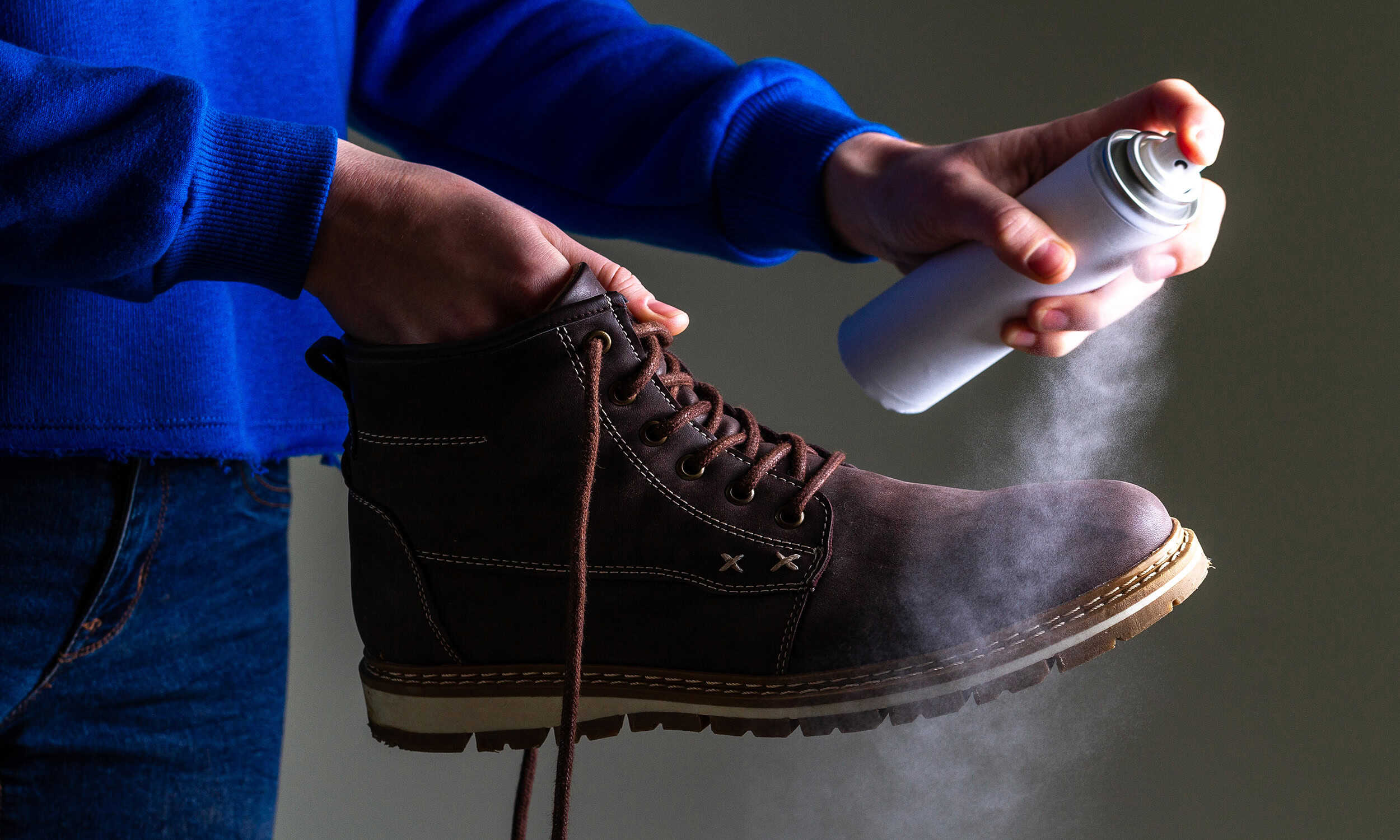
Heated socks or insoles
For people with chronic cold or numb toes, these technological solutions offer immediate comfort.
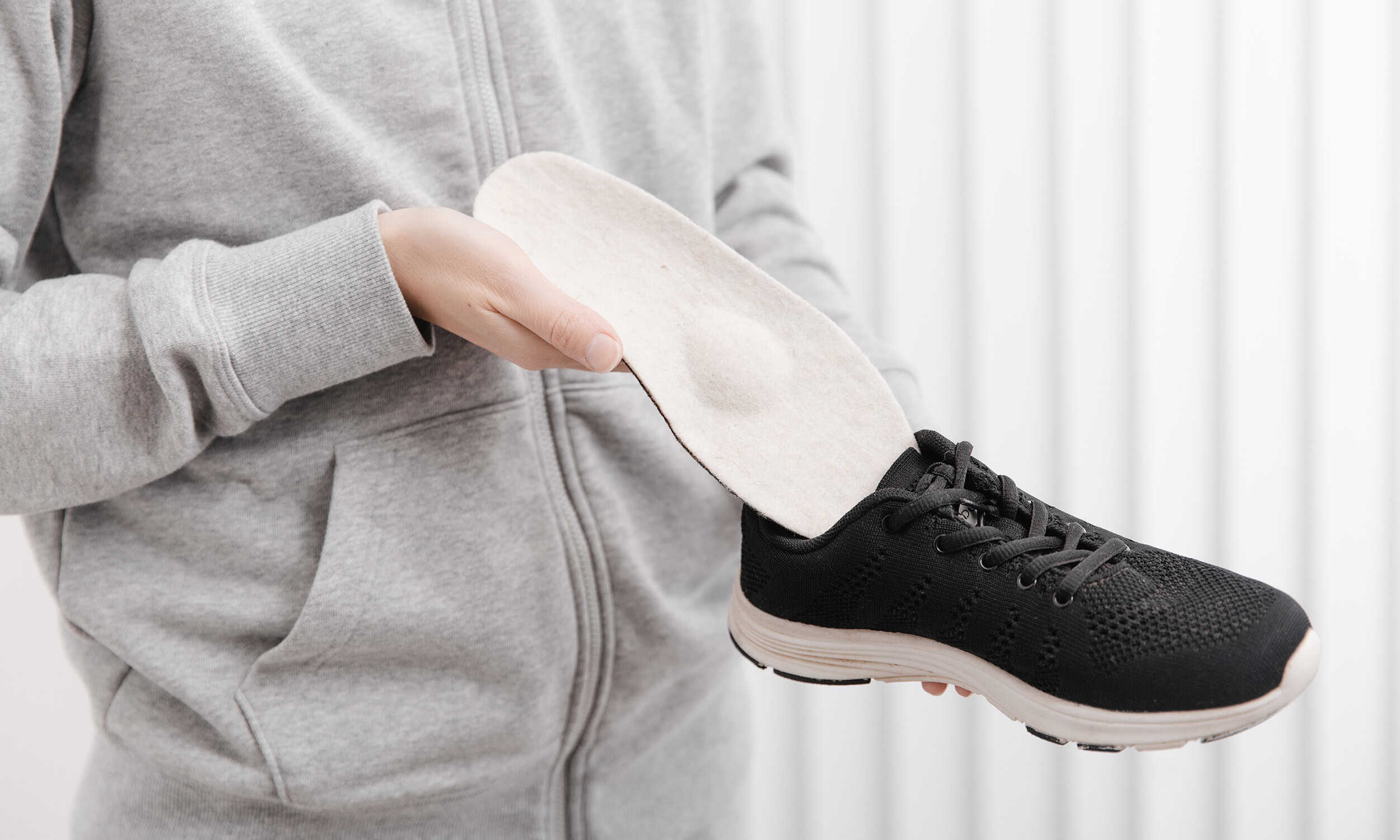
Avoid direct hot heat
Those who already have numbness are much less likely to notice burning - take extra care with hot water bottles or hot baths
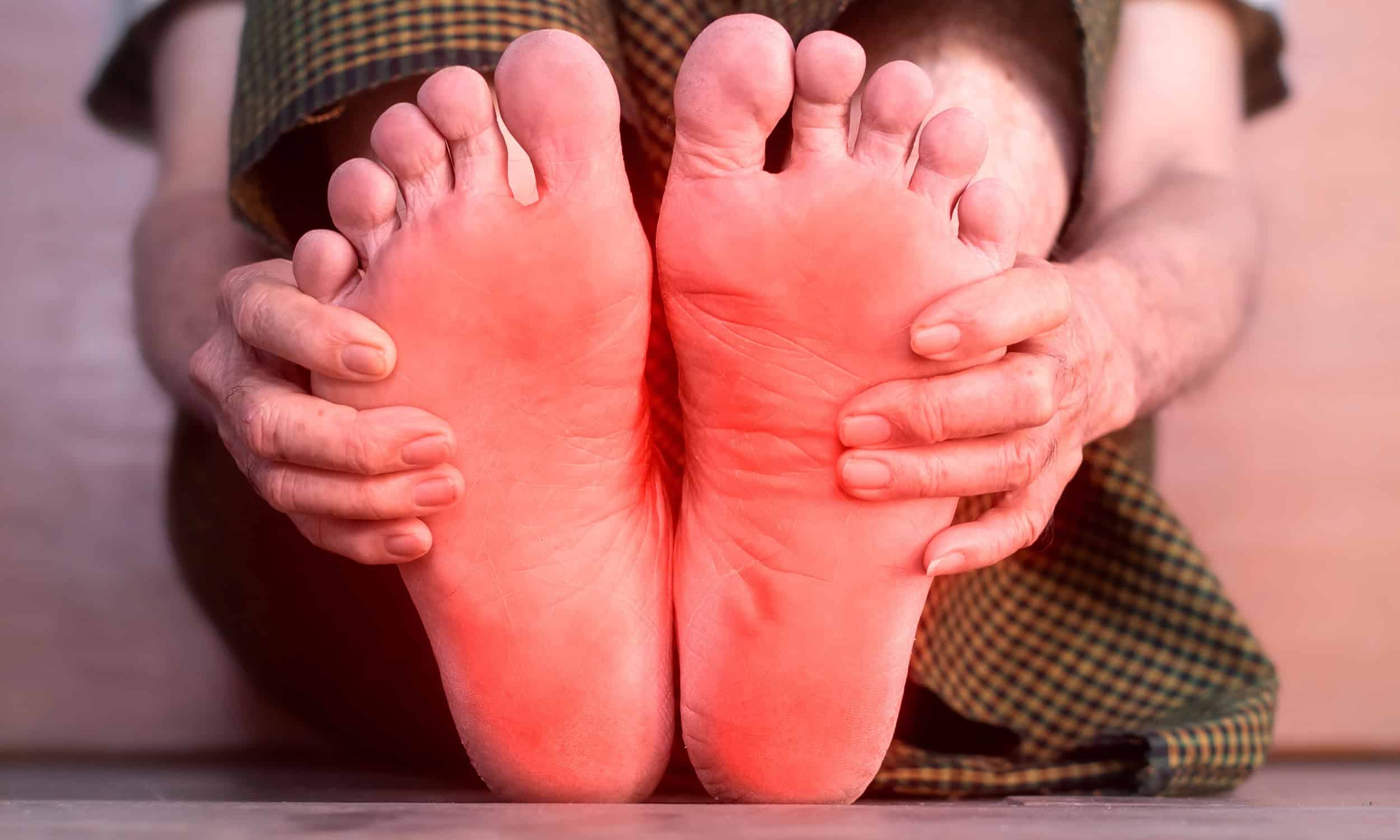
Foot massage and foot yoga
Massage stimulates circulation and helps maintain feeling in the toes.

Where to buy heated socks and clothing bundles?
Heated socks are widely available from webshops such as Bol.com, Heatdryclothing, Tomzorg, comfort-products.co.uk, and hrdlpn.co.uk. Look for bundles or deals on socks, mittens and neck warmers; for diabetic foot conditions, there are specialist bundles, for example through the podiatrist or medical foot shop. Before buying, always look for current offers and user reviews.
What customers say:
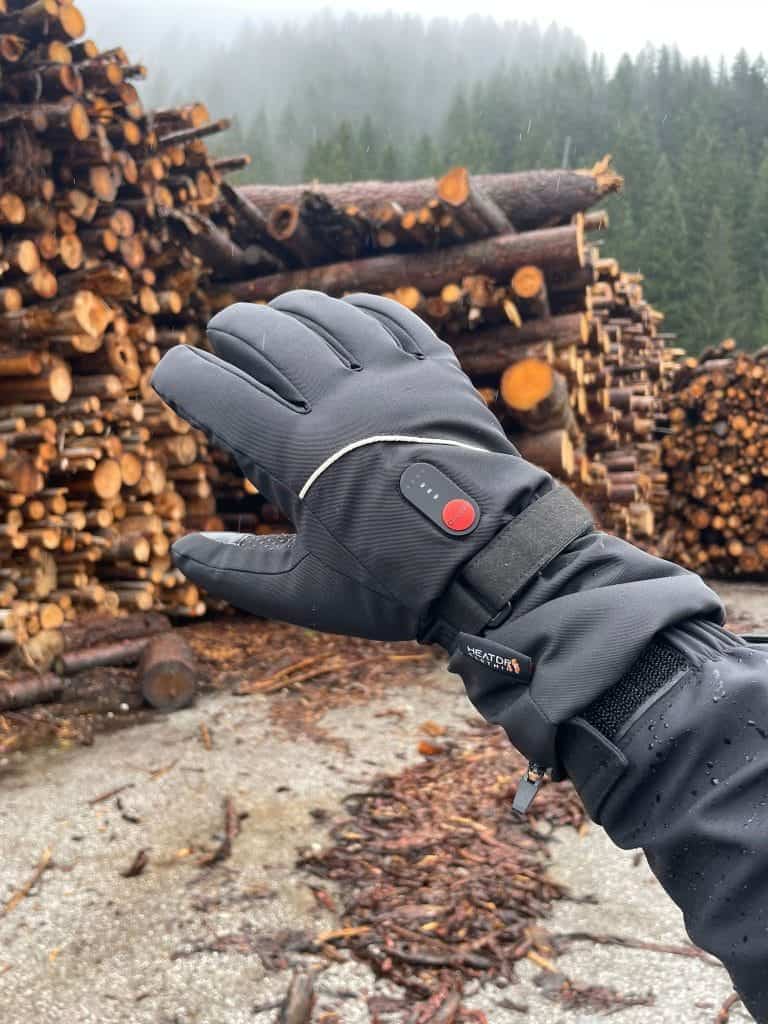
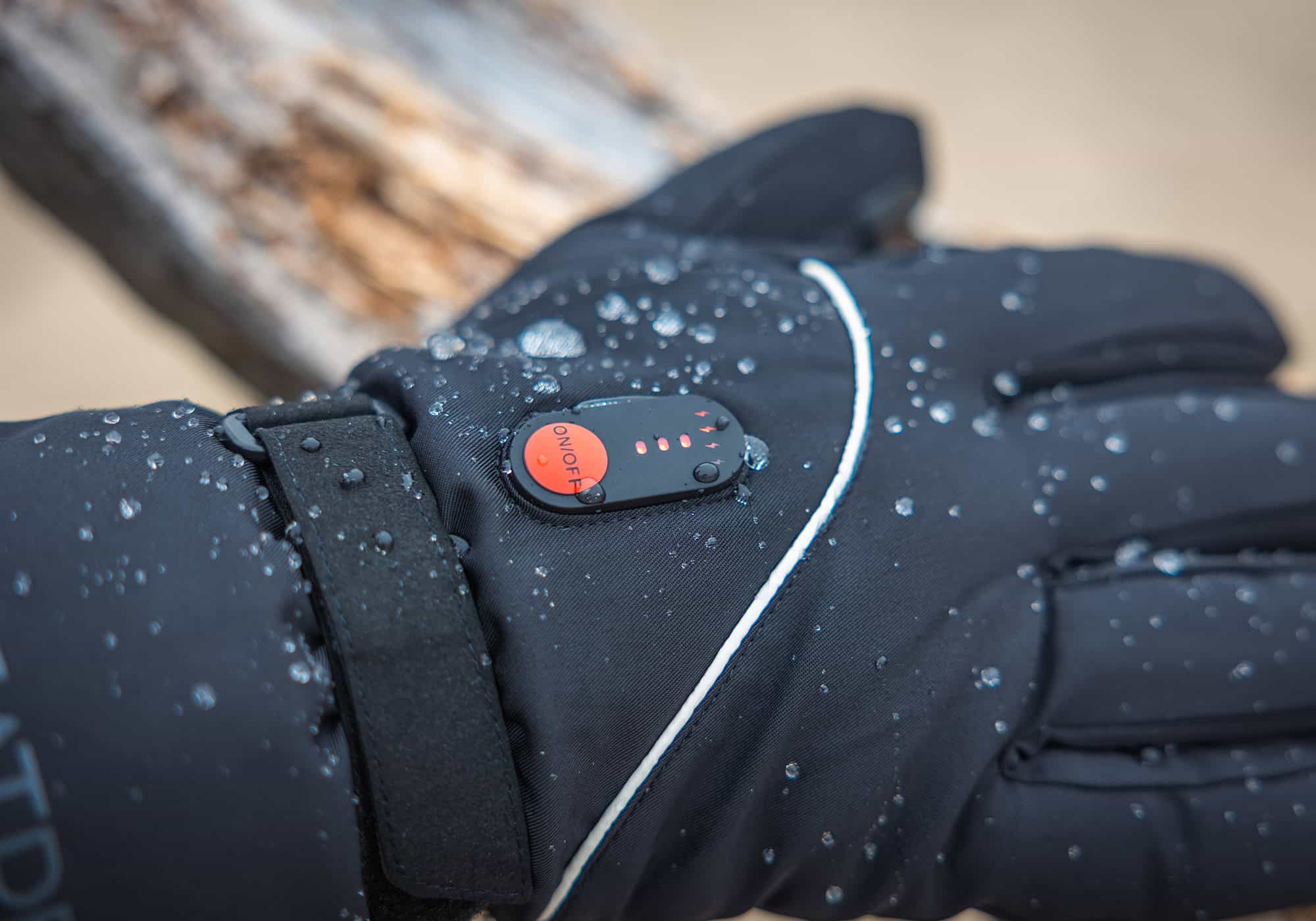
I work outside a lot, and these heated gloves are a gamechanger. Even on the coldest mornings, my hands stay warm and comfortable. The heat settings are easy to adjust and the battery lasts for hours. Best purchase this year!
Cold feet are a thing of the past
I always suffer from cold feet, even indoors. Now I just wear these heated socks on the sofa in the evening. Batteries on low and I'm sitting there feeling princess-like.
No more cold toes when cycling
I skate a lot and always suffer from frozen toes. With these socks, I could just cycle for three hours without stopping. It really is a breath of fresh air.
Senseless (big) toe: approach and solutions
A numb big toe is relatively common, for example after long walks, squishy footwear or cycling. The big toe is sensitive to pressure due to its position in the shoe and because many nerve tracts and blood vessels converge here. The best solution starts with checking shoes and socks: do not wear squishy shoes or footwear with high heels. Perform foot exercises by moving and massaging the toes. If symptoms persist, especially with diabetes or with additional complaints such as wounds or pain, always visit your GP. They can analyse the cause, for instance with a foot screening or vascular examination.
For cold, exercise activity and wearing specific heated socks or insoles aimed at the toes helps. Practical experience shows that heated socks work better than hot water bottles or electric blankets because the heat source is directly at the toe and works continuously, even when you move.
Cold feet at night: tips for a good night's sleep
- Wear specially designed bed socks or sleep with a hot water bottle by your feet to warm your feet evenly.
- Electric blankets or mattresses are effective, but have drawbacks for people with deafness: the risk of burns is higher. Use these with a timer and do not set the temperature too high.
- Make sure the entire bedroom is not too cold. Room temperatures below 16°C increase the risk of numb and painful feet.
- Massage your feet lightly before bed to promote circulation.
- Consider heated socks with a low setting or timer function. Some models switch off automatically, which is safer.
Heated socks versus electric blankets: the differences
Heated socks provide heat directly to the toes and feet, are mobile and uniquely suited for outdoor use or in the house when walking around. Electric blankets and electric foot bags warm a large area and are intended for use in bed or on the sofa. When feeling diminished, experts recommend heated socks as this reduces the risk of overheating and burning compared to prolonged use of a warm blanket without control.
Heated socks for poor circulation: functioning and benefits
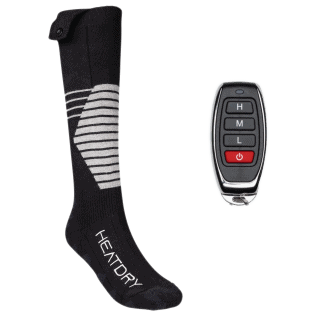
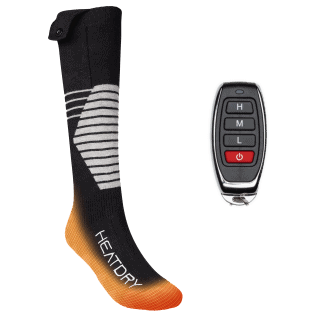
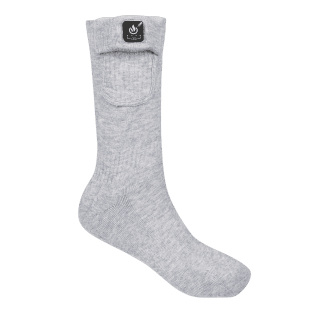
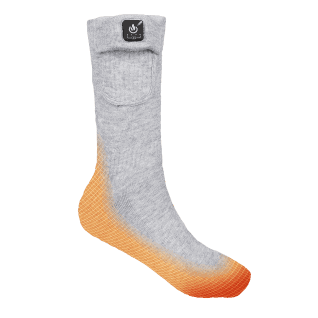
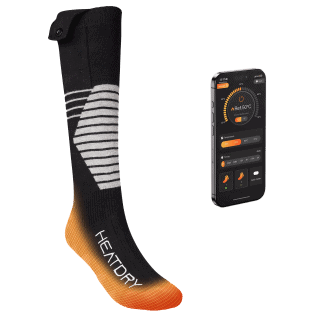
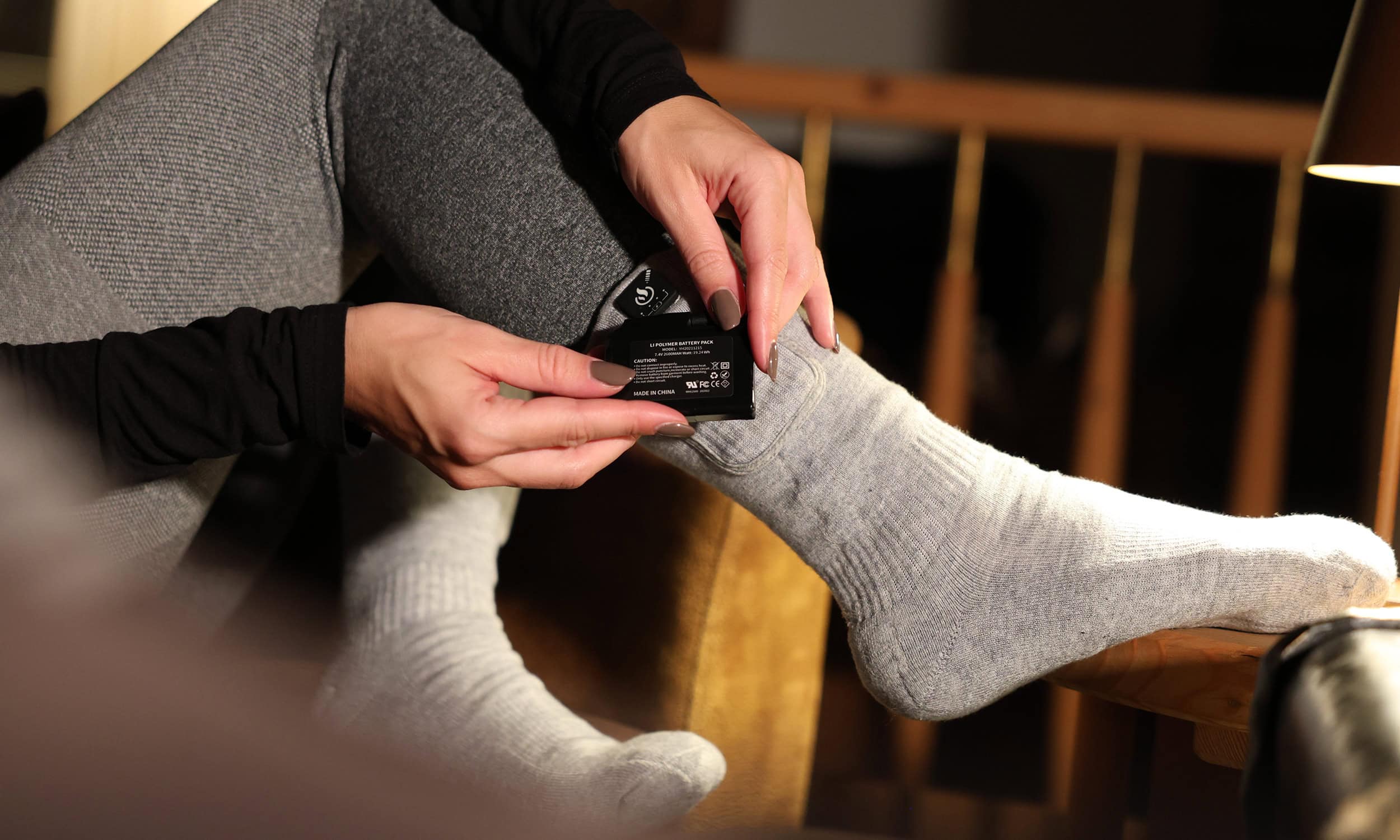
Heated socks work with thin heating elements along or under the toes. A small battery supplies power that provides heat for several hours. This helps especially against constricted blood vessels in cold or Raynaud's phenomenon, keeping the toes warmer ánd better supplied with blood. The 'heating effect' is localised, targeting toes, ball of the foot and sometimes the heel. This makes heated socks specifically useful for people with circulatory disorders, neuropathy and even arthritis.
Choose a sock with adjustable temperature settings, so you can adjust to the outside temperature and your own sensitivity (for example, if you experience less sensation due to neuropathy).
Heated soles or socks: which works better for numb toes?
Both products help with cold feet and can partially counteract numbness. Heated socks often give the best results, according to users and podiatrists, because the heat source is closer to the toes. Socks are direct to the skin, which is efficient, but requires proper washing instructions and regular recharging.
Heated insoles are a good alternative when you want to use different shoes or avoid socks for hygienic considerations (such as nail fungus). For specifically the numb (big) toe or Raynaud's, heated socks have been found to be more effective.
The latest trends in heated socks against cold/frozen toes (2025)
- Long battery life and faster charging time: New models like Bertschat PRO and Rheme offer up to 10 hours of heat per charge and charge in two hours. Ideal for day trips or nights camping.
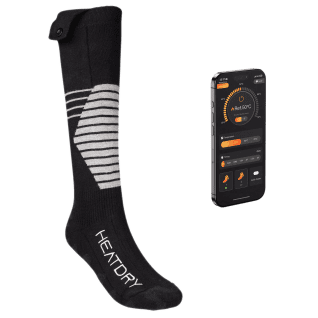
- Control via an app: Socks from HailiCare and similar brands can be controlled with a smartphone app, allowing you to set the temperature between 30-65°C.
- Thin, breathable materials: Socks with modern textile techniques are thinner, fit into regular shoes and still offer plenty of warmth, even in strong cold.
- Integrated sensors: Some brands offer sensors that measure temperature, sweat moisture and even foot load. This helps people with increased risk of wounds (e.g. diabetics).
- Modular bundles: Customers can often choose bundles of socks, gloves and jars at package discounts in 2025.
Popular top models in 2025 include HEATDRY Clothing TriHeat MAX, Bertschat PRO, HailiCare, B-Care and Rheme Heated Socks.
Customer experiences: heated socks for numb toes and Raynaud's disease
Customer reviews are overwhelmingly positive. Especially people with Raynaud's and neuropathy experience a significant improvement in quality of life: walking outside without pain, finally warm feet when cycling or even less night cramps. A common complaint with cheaper models is the shorter battery life or limited temperature settings. Top models score high on heat distribution, comfort and easy operation, according to reviews on Bol.com and hrdlpn.nl platforms. Diabetics also say they can finally go outside safely again without fear of frozen toes or wounds. Couple of tips from experiences:
- Regular washing prevents odours.
- After purchase, check immediately that the socks are not too tight (extra important with neuropathy!).
- Note battery life & spare battery if skating/skiing is planned.
Cost, warranty & return policy of heated socks
The price of heated socks ranges from €25 (basic, limited duration) to €120 for models with advanced control, long battery life and mobile operation. Cheaper models can be found mostly at large online shops, but less durable. When buying online, always pay attention to CE marking, clear warranty conditions (usually 1 to 2 years) and the return policy (usually 14 to 30 days sight or return period). In case of injury or medical indication, consultation with GP or podiatrist is recommended.
Popular outlets include Bol.com, Bertschat, r2bstore.co.uk and hrdlpn.co.uk.
View the range heated socks From HEATDRY Clothing.
Experiences with treating numb toes: what really works?
- Foot exercises and massage: Daily exercise stimulates blood circulation in toes and feet.
- Less smoking: Quitting or cutting down on smoking directly widens blood vessels.
- Regular foot care: Medical pedicure is essential for people with diabetes.
- Medication: Severe circulatory symptoms (Raynaud's) are often treated with vasodilators (such as nifedipine).
- Resources: Heated socks or insoles, combined with warm, well-fitting shoes and correctly hydrophilic creams, offer structural relief from cold, numb or numb toes.
Important to remember: heated socks address the symptom, not always the cause. Medical causes should always be investigated by a professional.
Frequently asked questions (FAQ) about numb toes and heated socks
What is the best solution for numb toes in winter?
Heated socks combined with regular exercise and dry warm shoes.
How do you solve cold feet at night?
Wear warm bed socks, use a hot water bottle and keep your room at least 17°C. Electric blankets can, but are less safe when feeling bad.
What works against a numb big toe?
Choose shoes without pressure points; combine this with massage and (when cold) heated socks. If symptoms persist, always consult a doctor for further examination.
What is the most suitable heated sock for a numb big toe?
HEATDRY Clothing, Rheme Heated Socks and HailiCare score best in terms of comfort, battery life and adjustability (Source).
Which socks do experts recommend?
Podiatrists and users call HEATDRY Clothing and Rheme the most reliable, due to demonstrable results and good reviews.
What are the experiences with heated socks?
Positive user experiences: people get warm feet faster, feel more comfortable and go out with more confidence.
What are customers saying with Raynaud?
Customers with Raynaud's report a significant reduction in pain and less 'dying' of toes, especially in models with adjustable temperature and longer battery life.
Can I buy without risk?
Yes, provided you buy from an authorised seller and seek advice from your doctor when in doubt, especially in case of severe loss of sensation.
What is the return policy?
Webshops almost always have a 14-30-day view or return guarantee. Check conditions beforehand.
Soles or socks?
Socks are more effective for specifically the toes; insoles are more broadly applicable but provide less immediate toe warmth.
Difference with electric blankets?
Socks are more mobile, safer for people with sensory loss; blankets are only for in bed.
What do the best models cost?
Expect an average of €70-€120 for the most reliable heated socks with long battery life and adjustable power.
Where to buy cheap socks?
Large webshops like Bol.com often offer outlet models or deals. Always check for labels and reviews.
Where can clothing bundles and treatment bundles be found?
Choose specialist suppliers for complete bundles aimed at cold/extremely sensitive feet.
Conclusion: the best approach for numb toes
Numb toes are common, especially in winter. In most cases, you find relief with simple changes such as wearing warm (heated) socks, choosing good footwear and moving your feet sufficiently. Heated socks prove to be the most practical and immediate solution according to users and experts, especially in cases of cold or Raynaud's phenomenon. Always choose a model that suits your needs and pay attention to safety, especially if you suffer from loss of sensation in the feet. Keep an eye on symptoms: persistent numbness, wounds or pain should always be discussed with a doctor. That way you can get through the winter responsibly and comfortably.
Sources used in this article: disease-free-life.co.uk, Heart Foundation, hrdlpn.co.uk, pedimarket.co.uk