 Free shipping in NL
  & BE
& BE 


Neuropathy can make hands and feet numb, painful or tingly. Heat soothes and improves mobility. HEATDRY offers practical solutions for everyday use.
What is neuropathy?
Neuropathy is a condition characterised by damage to peripheral nerves, the nerves that lie outside the central nervous system (brain and spinal cord). These nerves are essential for sensation, muscle control and autonomic functions (such as sweating and blood flow). The effects of neuropathy range from mild tingling and numbness to severe pain (sometimes even burning or stabbing), muscle weakness and problems with coordination. The limbs - the feet, toes, hands and sometimes fingers - are particularly susceptible because this is where the longest nerve tracts end. Neuropathy is estimated to occur in 5% of people, especially in adults and the elderly.
Different forms exist, with peripheral neuropathy (one nerve or nerve group affected) and polyneuropathy (multiple nerves affected at the same time) being the most common. (Source: podotherapist.co.uk)
Neuropathy feet cause and risk factors
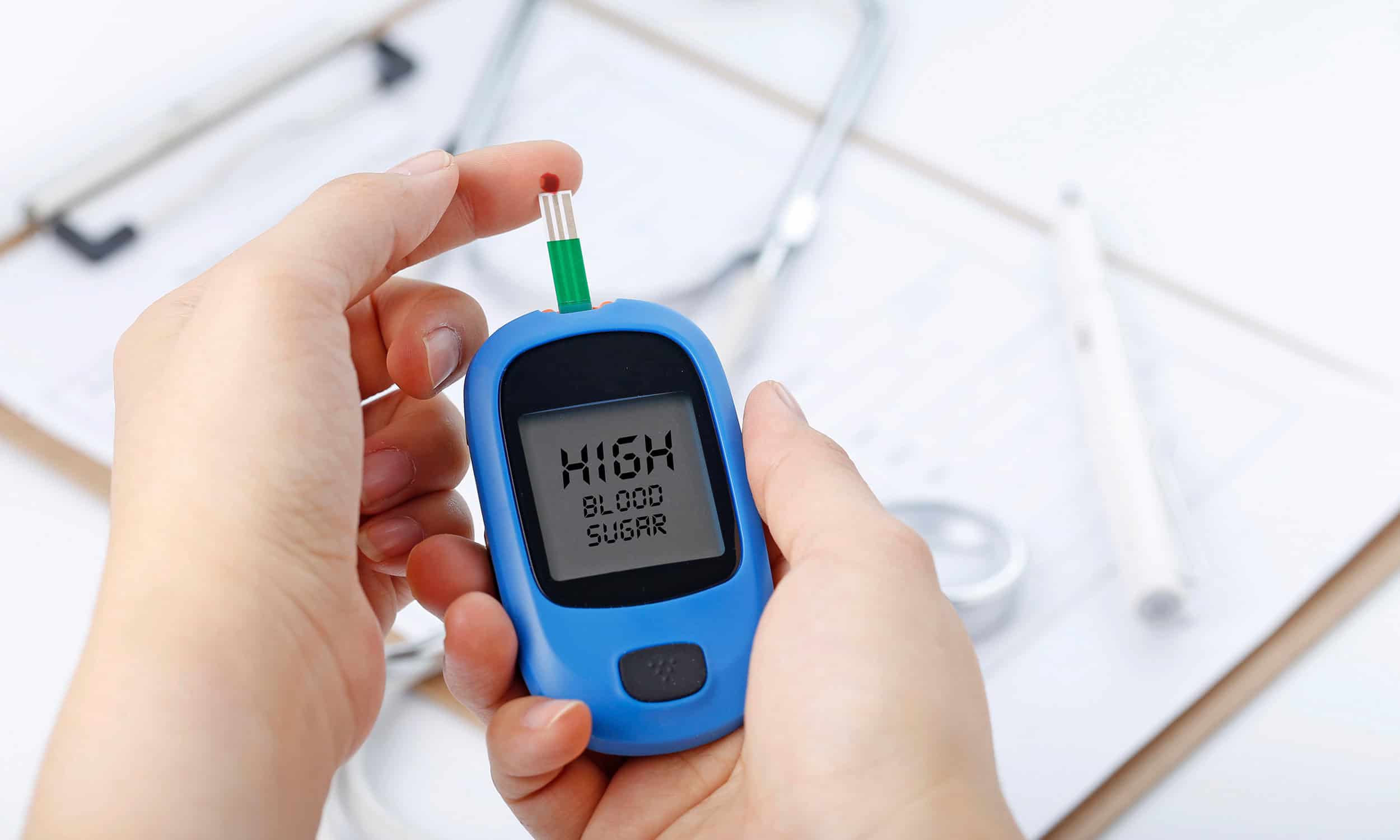
Diabetes mellitus
The main culprit; 20-30% of all diabetes patients eventually develop neuropathy in the feet or hands.
Medication/chemotherapy
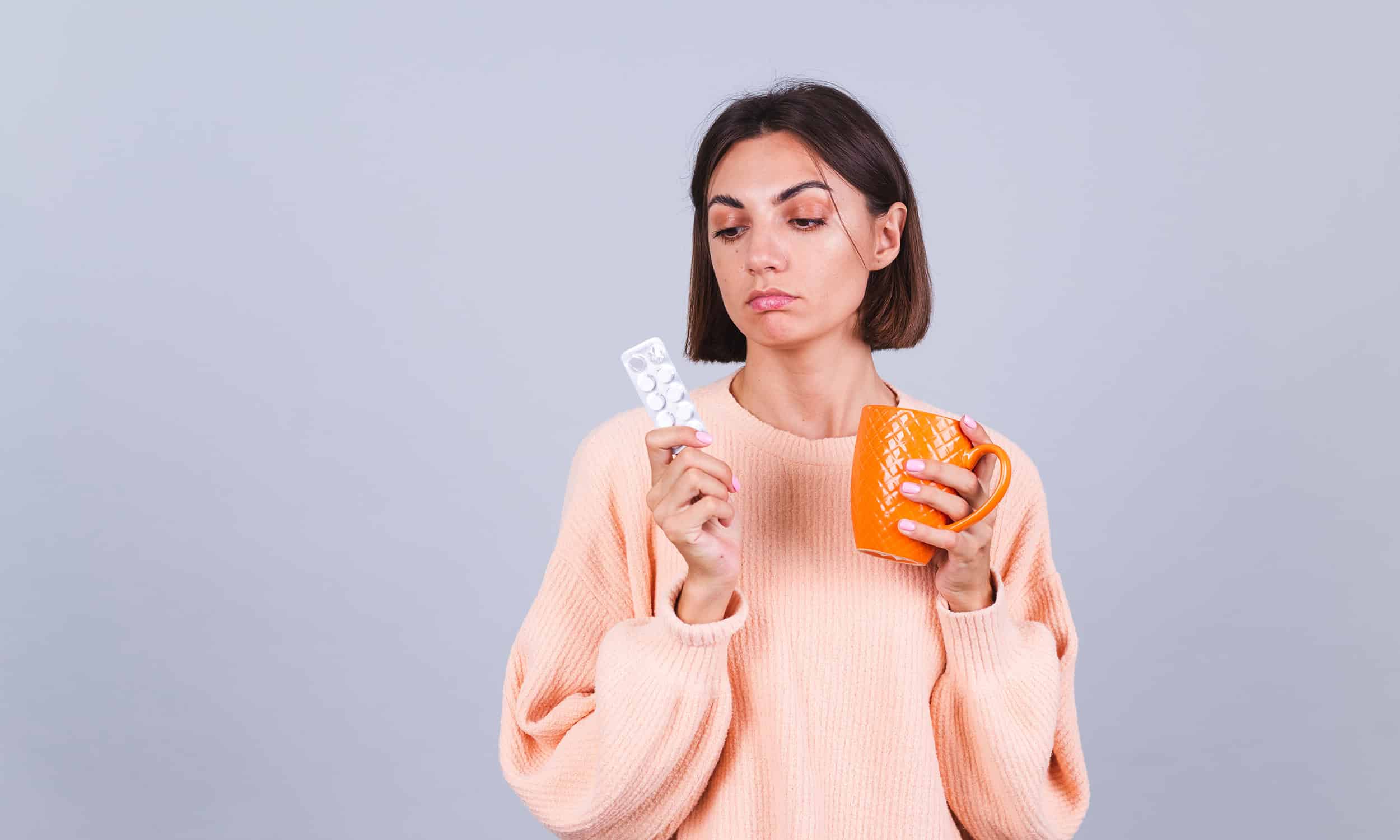
Cancer drugs, some antibiotics, antivirals or drugs such as metronidazole can affect nerves.

Alcohol abuse
Chronic excessive alcohol consumption leads to a lack of key nutrients and directly damages the nervous system.

Vitamin deficiency
B12 deficiency in particular, but also, for example, folic acid or vitamin E deficiency, is often seen in neuropathy patients.
Other causes
Kidney diseases, thyroid disorders, infections (including HIV, Lyme), autoimmune diseases, heredity and sometimes the cause remains unknown. (Source)

How does neuropathy occur and why are the feet so vulnerable?
Neuropathy results from damage to nerve fibres. The longest nerves (to feet and hands) are the most vulnerable to this. Poor blood flow, high blood sugar, toxic substances or vitamin deficiencies cause these nerves to be affected first. Sensitivity in the feet decreases, allowing wounds to develop unnoticed and increasing the risk of serious complications such as ulcers (diabetic foot) or amputations. Therefore, quick recognition of neuropathy feet symptoms is of great importance.
What customers say:
Solution for Raynaud at last
I have Raynaud and normally get pain after 5 minutes. With these gloves, I can easily walk the dog for an hour. Setting 2 is often enough. The buttons are a bit tricky with stiff fingers, but that's detail compared to the gain.
Top quality and great battery life
This is not my first experience with heated clothing, but this brand stands out. The quality of the fabric is superior and the battery lasts much longer than expected. I am hugely satisfied!
Cold feet are a thing of the past
I always suffer from cold feet, even indoors. Now I just wear these heated socks on the sofa in the evening. Batteries on low and I'm sitting there feeling princess-like.
Different type of neuropathy and socks: peripheral neuropathy vs polyneuropathy & plain socks vs neuropathy socks
Peripheral neuropathy socks
In peripheral neuropathy, one specific nerve is often damaged. Complaints are therefore usually localised, for example numbness or tingling in one foot. Sock choice plays an important role here, as seams or pinching cuffs can worsen pain.
Polyneuropathy socks
When several nerves are affected at the same time, we speak of polyneuropathy. Symptoms then often occur symmetrically in both feet or hands. In this case, socks should provide long-term comfort and protection, minimising the pressure on nerves and skin.
Neuropathy socks
There are special neuropathy socks with no tactile seams and no pinching cuffs. They are designed to protect vulnerable feet and often have temperature and moisture-regulating properties. This reduces the risk of blisters or friction, which is especially important with neuropathy.
Regular socks
Ordinary socks are often unsuitable in cases of neuropathy. They can cause pressure marks, blisters or irritation and usually offer little protection. For people with sensitive nerves, this is a distinct disadvantage.
Compression stockings
Compression stockings provide controlled pressure and are often used for varicose veins or oedema. In neuropathy, however, that pressure can actually be burdensome, especially for feet that are extra sensitive. Therefore, they are not always the best choice.
Heated socks
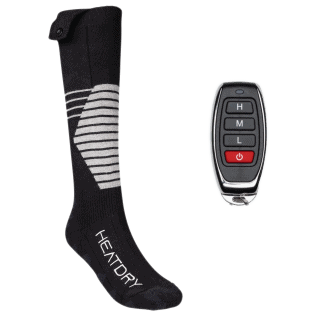
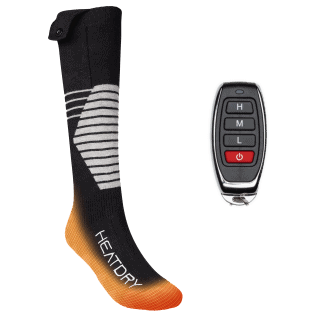
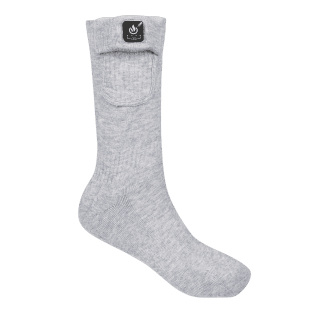
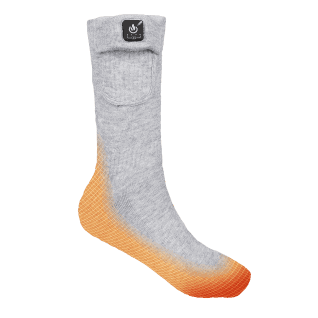
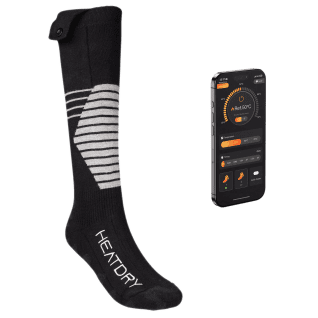
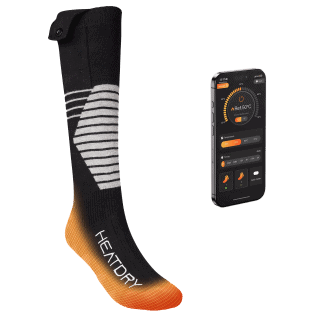
For those who suffer from cold feet due to neuropathy, heated socks are a valuable addition. They contain thin heating elements that work with rechargeable batteries and spread pleasant heat within a short time. This warmth helps improve circulation, reduces stiffness and makes walking more comfortable. HEATDRY heated socks combine this with soft materials and a fit without a pinching cuff, so they provide both warmth and protection for sensitive feet.
Neuropathy socks vs regular socks and compression stockings: what's the difference?
Neuropathy socks are expressly designed for people with sensitive or fragile feet (as in neuropathy feet). They are made of soft, comfortable materials (merino wool, bamboo, seamless cotton), have no tactile inside or pinching cuff, and fit snugly without tension. Ordinary socks can cause pressure spots, blisters or even wounds in neuropathy.
Compression stockings are designed to support circulation, but can feel pinching and are not always suitable for pressure-sensitive nerves. The advice of a foot specialist or podiatrist is important when choosing the right type of sock.
Direct help/advice and treatment for neuropathy feet and hands
In case of persistent or worsening symptoms, it is advisable to make an appointment with a podiatrist, physiotherapist or GP immediately. Several specialised practices can be found in Amsterdam, Rotterdam and other major cities. Usually, you can also book a consultation online or by phone directly for advice on neuropathy foot symptoms, custom treatments and foot/hand care. In addition, you can order packages with both customised socks and orthopaedic aids from foot specialists. Bundle offers can often be found online (treatment + socks) at reduced rates.
Comfort products in neuropathy: heated socks, gloves and best choices
- Heated socks: Especially for neuropathy feet, these socks often provide immediate relief from cold and pain. They work on battery or with heat-regulating wool. Do not use too hot to avoid burning!
- Heated gloves: Are used for neuropathy hands symptoms and relieve numbness and tingling.
- Thick seamless socks: Especially as an insulating layer against cold, they help people who cannot or do not want to use electric socks.
- Toe socks: Especially for people where friction between the toes causes a problem or for blister prevention.
- Podiatric stockings: For people with severe foot problems, podiatric customisation is sometimes the best solution.
Frequently asked practical questions: prices, warranty, stock and advice
Neuropathy feet: can you recognise symptoms?
- Tingling and tingling: Often described as 'tingling' or a continuous light jolt.
- Pain: May be sharp, burning, stabbing or shooting; some patients experience pronounced nocturnal pain.
- Numbness: 'Deaf' feeling, sometimes feeling like walking on cotton wool.
- Declining temperature sensation: Heat or cold is poorly recognised; risk of burning or hypothermia increased.
- Power loss: Difficulty walking up stairs, difficulty lifting the foot or toes, clumsiness.
- Balance disorders: Seniors with neuropathy are particularly at risk of falling.
- Hypersensitivity: Pain on light touch (such as bedding on foot), sometimes so bad that walking becomes difficult.
- Cold or burning feet: Often even when the ambient temperature is normal.
- Double sock feel: The idea that there is an extra layer between foot and shoe.
These neuropathy feet symptoms usually start in the toes, gradually spreading to the entire foot and sometimes up the legs. Hand symptoms (neuropathy hands symptoms) are similar and usually start in the fingertips. (Source: Livit.co.uk)
Neuropathy toes: what are specific symptoms and signs?
The toes are often the first to be susceptible to nerve damage. Common neuropathy toes complaints are:
- Numbness, tingling or pinpricks in 1 or more toes
- Cold toes despite warm environment
- Pain on pressure (walking, shoes, sheets)
- Difficulty spreading or moving the toes
- Blue discolouration or wounds with no obvious cause
Regular inspection of the toes is crucial, as wounds or blisters are sometimes noticed late due to numbness. This increases the risk of infections, especially in diabetic patients.
Neuropathy hands: what are symptoms and treatments?
Neuropathy in the hands causes symptoms such as:
- Tingling, numbness and pain in the fingertips
- Loss of strength: difficult knotting, writing, picking up small objects
- Pain often worsens at night
- Limited fine motor skills
Treatment of neuropathy hands symptoms includes medication (pain relief, storage of nerve function), ergonomic devices, physiotherapy, and in some cases customised heated gloves or other devices to stimulate blood flow.
Neuropathy socks price comparison (table, May 2024)
| Brand / Shop | Type | Price per pair | Bundle discount | In stock? |
|---|---|---|---|---|
| Sockwell.co.uk | Diabetic socks | €22,99-€24,99 | 10% newsletter discount | Yes, available immediately |
| PhysioEssentials.co.uk | Neuropathy socks | €12,99 | 2nd pair 25% discount | In stock |
| VINQ.co.uk | Toe socks, diabetic socks | from €14.95 | Customised advice | Large stock |
| bol.com | Prostec neuropathy socks | £13.99 – £24.95 | Regular offers | Depends on shop |
Neuropathy socks experiences and reviews
- Users are particularly appreciative of the wearing comfort, the soft materials and the fact that the socks help prevent pressure and chafing, wounds and blisters.
- Many people with diabetes or sensitive feet notice less cold and more security while walking.
- There is criticism, however, of certain compression models (especially if they are too tight), or of limited colour and model choices at some brands.
- Socks are regularly given as gifts to parents or partners with neuropathy foot complaints.
- Advice from a podiatrist was felt to be valuable when choosing models and types of socks.
What is the treatment for neuropathy symptoms?
- Medication: Mainly aimed at reducing nerve pain (amitriptyline, gabapentin, pregabalin, duloxetine).
- Physiotherapy: Exercise therapy for balance, strength and muscle control.
- Foot care: Regular inspection for wounds, dry skin, hygiene and lotions against fissures.
- Shoe advice: Good shoes with enough space, shock absorption and preferably without raised seams.
- Nutritional advice: Supplement deficiencies (such as vitamin B12) under dietician supervision.
- Heat products: Heated socks and gloves to relieve cold and pain.
- Lifestyle advice: Quit smoking, moderate alcohol consumption, healthy weight, blood sugar on target.
How to optimally use heated socks for neuropathy foot complaints?
- Make sure feet are thoroughly dry beforehand.
- Preferably choose socks with temperature regulation, to avoid burning.
- Check feet regularly for wounds or redness.
- Use heated socks when cold, but don't wear them at night if you have lost most of the feeling in your feet.
- Always read the instructions for use and consult your podiatrist if in doubt.
Tips: the best way to relieve neuropathy foot symptoms
- Always wear fitted, seamless socks made of breathable, insulating material (wool, bamboo, cotton).
- Avoid cold and fluctuations in temperature as much as possible.
- Exercise daily with light exercises or walks.
- Watch out for wounds, take good care of your feet and visit the podiatrist or pedicurist regularly.
- In case of severe symptoms or sudden exacerbation, notify the GP/certified practitioner immediately.
Concluding: expert opinion and conclusions in neuropathy foot complaints
Neuropathy is a common and profound problem, especially in adults and people with diabetes. Early recognition of neuropathy symptoms in feet, toes or hands prevents serious complications. Wearing specially developed neuropathy socks and comfort products (such as heated socks and gloves) is a proven effective way to relieve symptoms and improve quality of life. Combine these products with good care, regular check-ups and expert advice from a foot specialist. Questions about prices, stock, delivery or package deals? Check up-to-date information at trusted foot websites and take advantage of bundle offers for optimal protection.