 Free shipping in NL
  & BE
& BE 


At arthritis every little gesture feels heavy: stiff hands, aching feet and fatigue in the joints. Heat can work wonders. With smart heated solutions from HEATDRY Clothing keep you mobile and comfortable.

What is arthritis?
Arthritis literally means joint inflammation and is one of the most common joint disorders in the world. It is often accompanied by pain, swelling, stiffness and warmth around the affected joints. Although arthritis can occur at any age, we see that forms such as rheumatoid arthritis (RA) often occur between the ages of 40 and 60. More than 250 million people worldwide struggle with some form of arthritis, in the Netherlands it is estimated to be between 400,000 and 700,000.
Well-known variants include rheumatoid arthritis, gout, reactive arthritis and arthritis psoriatica. The symptoms may be limited to one joint, but more often several joints are involved at the same time (polyarthritis). What makes arthritis special is that the immune system gets confused and attacks its own joint tissue, causing inflammation and perpetuating the symptoms (ReumaNetherlands).
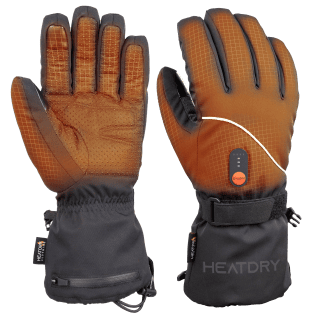
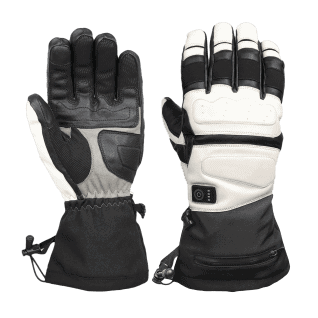
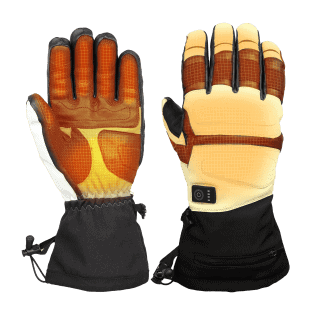
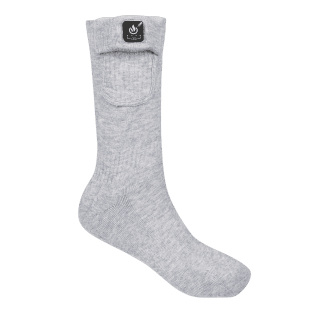
For people who suffer daily from sore hands or feet due to arthritis, heat can provide relief. HEATDRY Clothing develops practical solutions for this, such as heated gloves and heated socks. The active heat stimulates circulation, reduces stiffness and makes joints feel more supple. This makes movement a little easier again: both indoors and outdoors.
Arthritis in hands and feet: symptoms
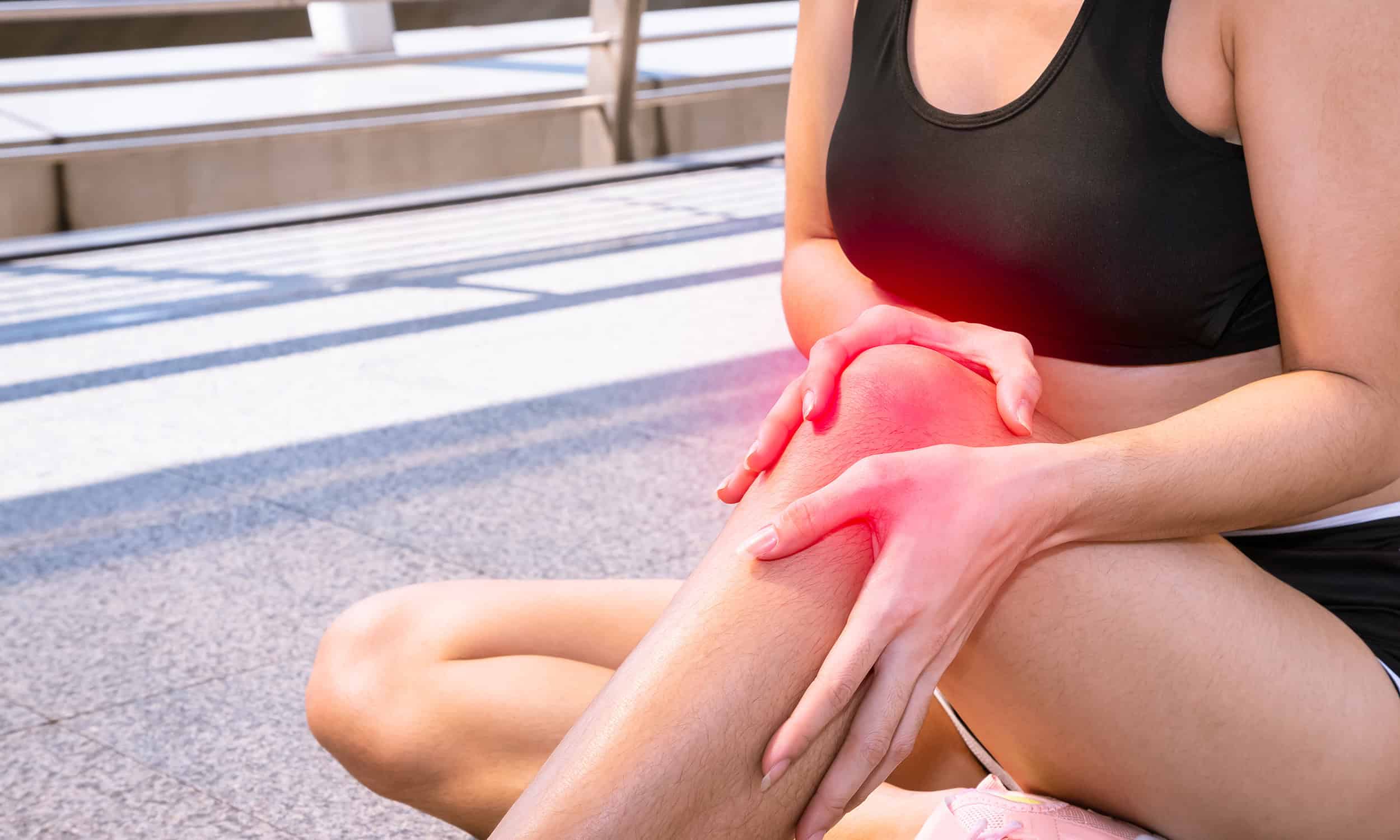
Joint pain
Pain on movement and at rest, often present sharp and stabbing in hands or feet.
Morning stiffness
Prolonged stiffness in joints, sometimes for hours, making starting daily activities difficult.

Inflammatory symptoms
Red, warm and swollen joints that feel sensitive and tense when touched or strained.

Movement problems
Reduced pinch strength, difficulty walking and loss of strength limit daily activities and independence.

Chronic effects
Prolonged inflammation can cause deformities, position deviations and permanent loss of function in hands or feet (source: Orthocor).

What is the difference between arthritis and osteoarthritis?
A common question is: what is the difference between arthritis and osteoarthritis? Arthritis is an inflammatory disease: the joint membrane is inflamed, causing pain, swelling and stiffness. The cause is often autoimmune (e.g. RA), infection (bacterial arthritis) or metabolic disorders (such as gout). Osteoarthritis In contrast, osteoarthritis is a degenerative process in which cartilage becomes thinner and of lower quality, usually due to age, overuse or injury. Typical symptoms in osteoarthritis are pain with movement, starting stiffness and sometimes cracking joints. In arthritis, inflammatory symptoms predominate, in osteoarthritis, mechanical wear and tear symptoms (Around Podiatrists).
What our customers say:
Solution for Raynaud at last
I have Raynaud and normally get pain after 5 minutes. With these gloves, I can easily walk the dog for an hour. Setting 2 is often enough. The buttons are a bit tricky with stiff fingers, but that's detail compared to the gain.
Walking possible again (Rheumatism)
Due to my rheumatism, cold hands were always a problem. With these gloves, I can just walk for an hour again without pain. They feel soft and comfortable. I am very happy with them.
Best invention ever!!!
Seriously, I don't understand how I ever lived without these things. My feet were ALWAYS cold, even in bed. Now just warm. Charging batteries... yes you have to do that, but c'mon, what bliss.
Difference between arthritis in hands and feet
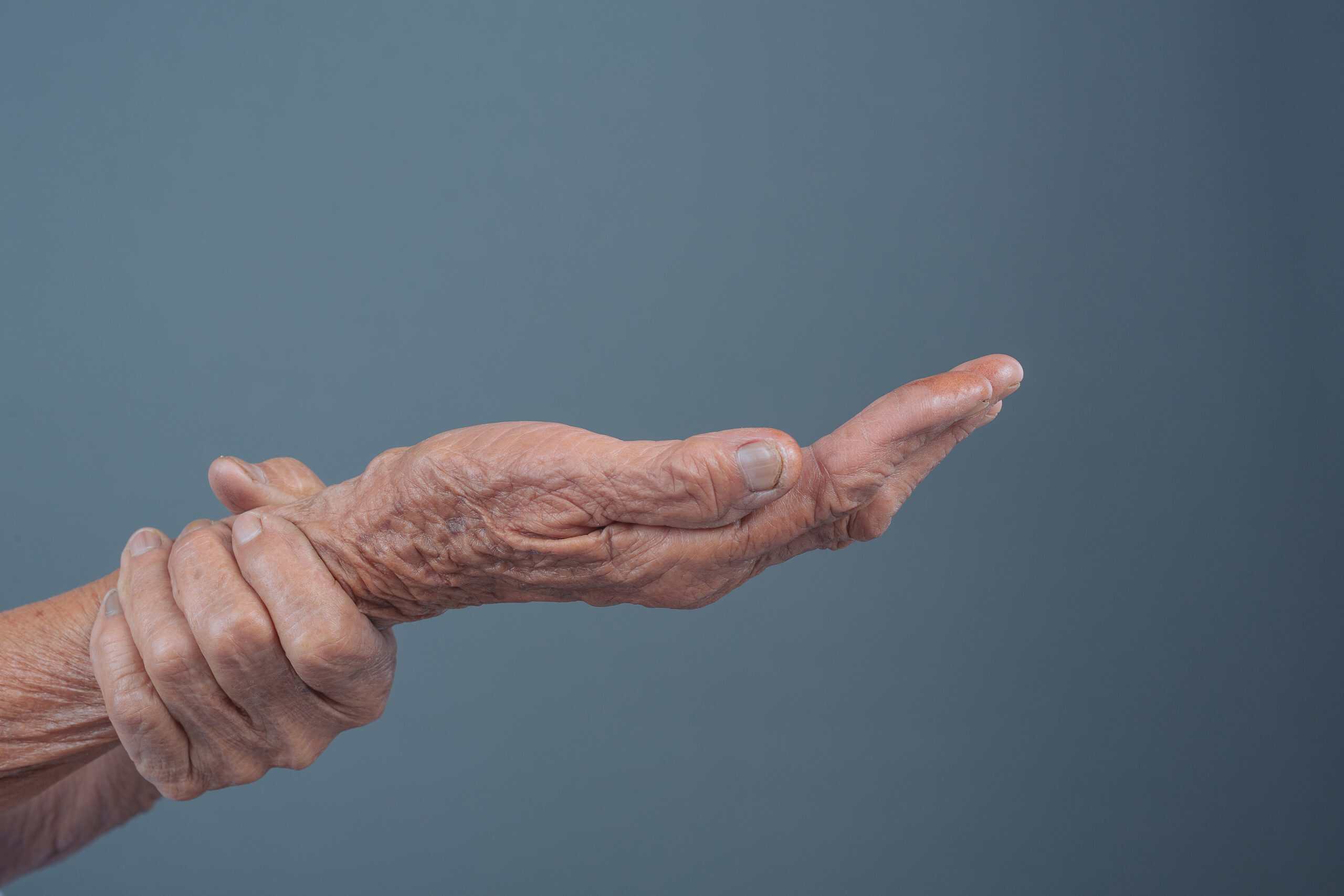
Arthritis can affect any joint, but there are differences between arthritis hands and arthritis feet. In the hands, it mainly affects the phalanges, wrists and sometimes the thumb. This leads to pain, swelling, loss of strength and limitations in fine motor skills (think writing, tying buttons, or holding a glass). In the feet the toes and metatarsal area are particularly affected. This causes starting pain, fatigue when walking, abnormalities in the position of the foot and sometimes callus or cornification due to improper loading. Some experience more difficulty with daily activities such as climbing stairs or standing for long periods of time. Although treatment has much overlap, hand arthritis often requires different tools and exercises than foot arthritis (Source).
Difference between arthritis and rheumatism
Rheumatism is an umbrella term for more than 100 conditions that can affect the musculoskeletal system. Arthritis is one of them, but not everyone who has rheumatism has arthritis. Arthritis literally means inflammation of the joint, while rheumatism also includes conditions such as osteoarthritis, fibromyalgia and lupus, which need not have an inflammatory component. In summary, every arthritis is a form of rheumatoid arthritis, but not every rheumatoid patient has arthritis (ReumaNetherlands).
Why do arthritis symptoms often worsen due to cold?
Who arthritis knows that cold can worsen symptoms. As soon as the temperature drops, the blood vessels in the hands and feet contract, reducing blood flow. The joint receives less oxygen and nutrients, and at the same time muscles and tendons tighten to retain heat. This makes joints stiffer, more sensitive and painful. It explains why, in winter, many people experience that their hands and feet move harder and daily activities become more difficult.
HEATDRY Clothing sees this not as an inevitable problem, but as a challenge to which smart technology can provide an answer. Where ordinary woollen socks or thick mittens only insulate, our heated gloves and heated socks a step further. They actively bring heat to the fingertips and toes, the very places where cold strikes most quickly and arthritis is most strongly felt. That constant warmth keeps blood flowing better and noticeably reduces stiffness.
The unique thing about HEATDRY is that the heat does not disappear as soon as you go outside or sit still for a long time. Thanks to long-life rechargeable batteries, joints stay comfortably warm for hours, even in sub-zero temperatures. So a winter walk or bike ride becomes feasible again, and writing, cooking or just moving around indoors feels less strenuous.
In short, arthritis symptoms worsen due to cold because the body shuts down to retain heat. HEATDRY Clothing breaks this mechanism by returning heat where it is needed most. Not only to relieve pain, but most importantly to maintain the freedom to keep moving, regardless of the season.
What is arthritis psoriatica and arteriitis temporalis?
Arthritis psoriatica Occurs in about 10-30% of people with psoriasis. Apart from skin problems, this form of arthritis causes pain, swelling and inflammation in joints and tendons. Typical symptoms are sausage fingers (dactylitis), back pain and sometimes nail abnormalities. The course is erratic: periods of rest and flare-ups alternate.
Arteriitis temporalis is not a classic arthritis but an inflammation of a blood vessel in the head (the temporal (stroke) vein). Symptoms include severe headache, sensitivity at the temple, jaw discomfort and possible blurred vision or vision loss. Quick diagnosis and drug treatment is essential (ReumaNetherlands).
Diagnosis and treatment of arthritis
The diagnosis of arthritis is made by the GP, rheumatologist or internist and consists of a combination of assessing symptoms, physical examination and additional blood tests (for inflammatory factors, rheumatoid factors and antibodies such as anti-CCP). Sometimes X-rays, ultrasounds or MRIs are useful to see damage or inflammation in joints.
Treatment depends on the form of arthritis, but usually consists of a combination of:
- Painkillers such as paracetamol and NSAIDs
- Corticosteroids (such as prednisone) for short-term anti-inflammatory treatment
- DMARDs (rheumatoid arthritis inhibitors) such as methotrexate or biologicals (advanced drugs)
- Physiotherapy and occupational therapy
- Lifestyle advice (smoking cessation, healthy weight, exercise)
- If necessary, surgery for severe joint damage.
Every year, severe joint damage occurs in a proportion of patients, which is why timely initiation of treatment is important (NHG).
The role of heated gloves and socks in arthritis
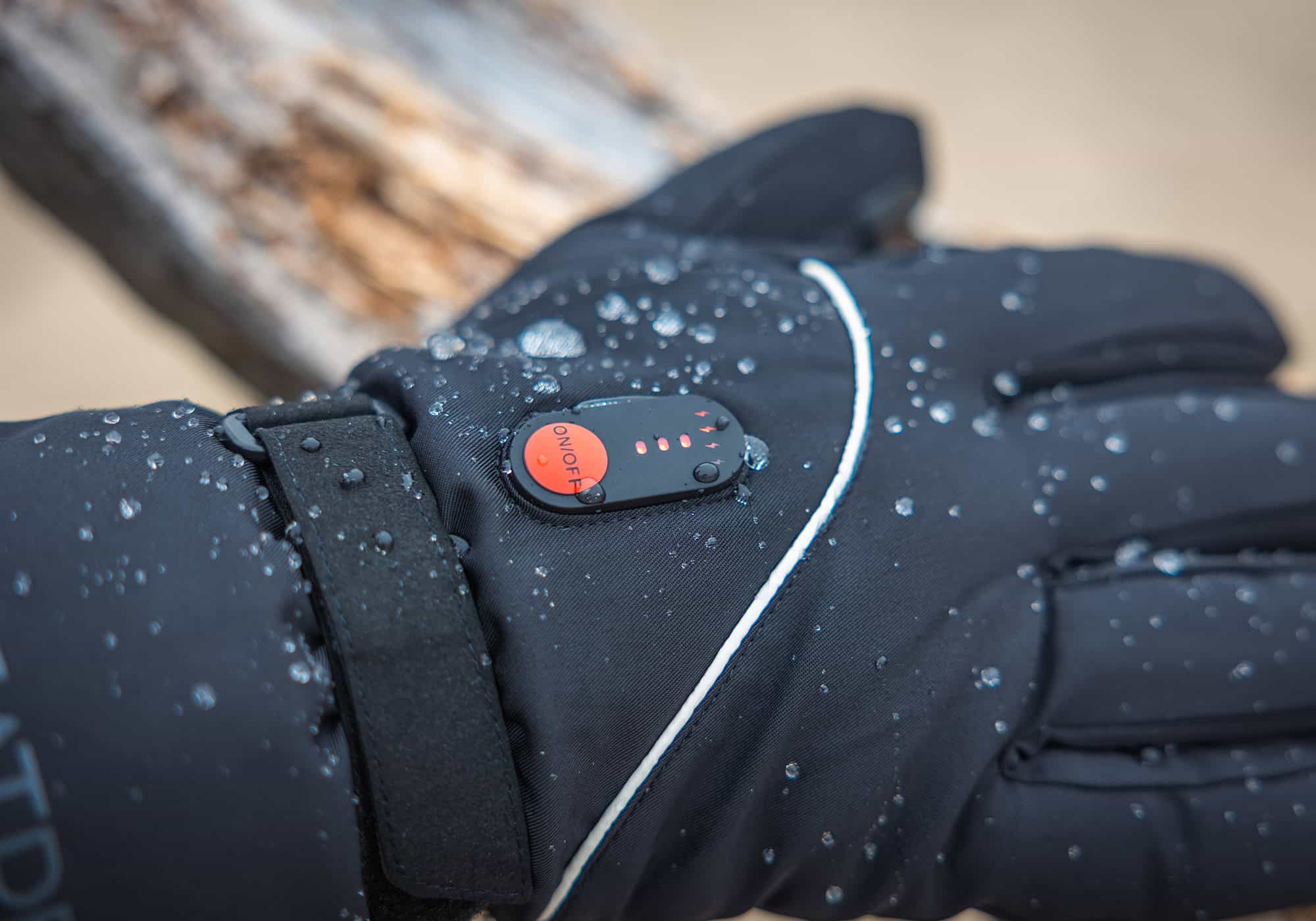
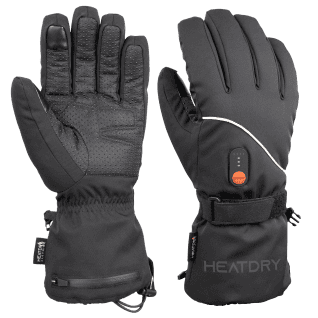
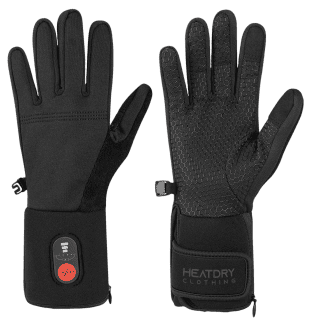
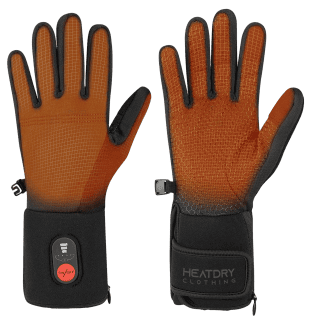
Heated gloves and socks are specially designed to provide instant, long-lasting warmth for arthritic hands and arthritic foot. The built-in electric elements run on rechargeable batteries and deliver adjustable heat over several hours. Compared to ordinary knitted or wool gloves, these products provide deeper and more constant heating. This helps reduce stiffness, pain, and improves blood flow in the affected limbs.
- Adjustable temperature settings are important to prevent overheating.
- A good battery life of 4-8 hours is ideal for daily use.
- Pay attention to fit, grip and possibly waterproof properties.
- Hand warmers are usually less effective than heated gloves because they do not enclose the whole joint.
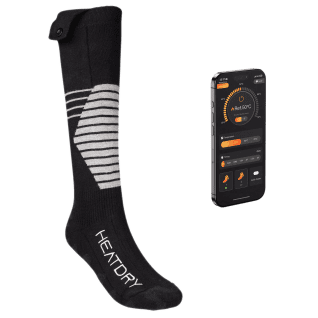
New on the market are models with apps, which allow you to set the heat via your smartphone.
How do heated socks work for arthritic feet?
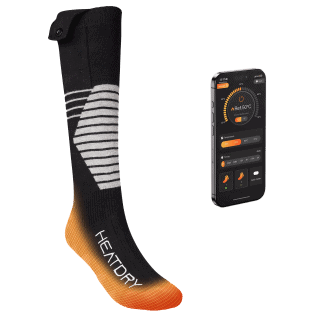
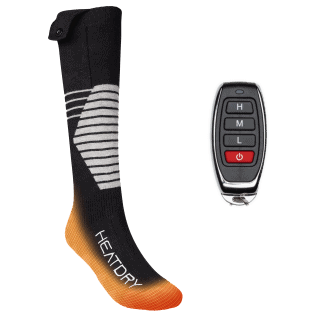
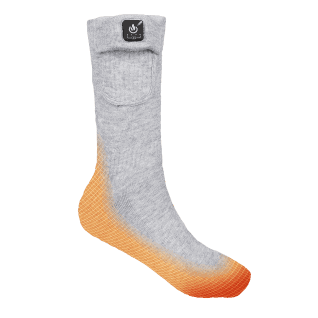
With arthritis in the feet, cold and reduced blood flow play a major role. Heated socks provide relief here as they contain thin, flexible heating elements that spread heat across the toes and soles of the feet. That constant, gentle warmth causes muscles and joints to relax and blood circulation to improve. As a result, stiffness decreases and aching feet feel noticeably lighter.
Unlike loose insoles, which only warm the lower part of the foot, heated socks envelop the entire foot. This makes them more comfortable and effective, as sensitive toes also stay warm. Modern versions, such as HEATDRY Clothing's heated socks, are rechargeable, have multiple heat settings and remain flexible with movement. Moreover, they are washable, making them suitable for everyday use, both indoors and outdoors.
For many people with painful feet due to arthritis, this makes the difference between remaining restricted or being active and mobile again. Whereas ordinary thick socks only insulate, HEATDRY heated socks actively add warmth. This not only protects feet from the cold, but also keeps them supple and better supplied with blood, making daily life a lot more pleasant.
Why do arthritis symptoms worsen due to cold?
Cold temperatures lead to vasoconstriction (narrowing of blood vessels), which reduces the supply of oxygen and nutrients to joints. This causes more stiffness, pain and sometimes even muscle cramps around joints. People with arthritis are more susceptible to these effects because their joint function is already impaired. Therapeutic heat (hot water applications, warm clothing, heated gloves) is scientifically proven to be effective against these additional symptoms in winter and during cold conditions.
How to optimally use heated gloves for arthritis pain?
For optimal effect, choose gloves that fit well but do not pinch. Set the heat setting to a comfortable setting (usually between 38 and 47 degrees Celsius). Preferably wear them over clean, dry hands and when (threatening) cold. For long-term effect, you can wear them preventively before stiffness sets in, for example early in the morning or during outdoor activities. Batteries should be fully charged and it is recommended to have a spare pair for long-term outdoor use.
Frequently asked questions about arthritis and heated clothing
What is the price of heated gloves, where can they be bought, and what about warranty?
- Heated gloves for arthritis typically cost between €150 and €200 per pair, depending on brand and specifications.
- They are usually available from stock online from resource webshops such as Orthocor, Medipreventie, heatdryclothing.com. and bol.com.
- The warranty is usually 1 to 2 years; return periods are often 14 to 30 days.
- Combination offers with heated socks or body warmers are regularly available.
- Some brands offer a trial period if you are unsure about how it works.
- Always enquire about user experiences and (home) trial options before purchase.
Which heated clothing is ideal against arthritis symptoms?
The most ideal heated clothing for arthritis includes gloves with full fingers or open fingertips for more freedom of movement, socks for the feet, and body warmers for extra warmth around the torso. Wear several thin layers rather than one thick layer. Note: technical clothing should not pinch because circulation is essential. Choose products with adjustable positions as well as reliable reviews from people with similar complaints.
Which models are most suitable and what are users' experiences?
Choose models with the following features:
- Multiple heating modes
- Good battery life (at least 4 hours on high)
- Breathable, sweat-wicking fabric
- Easy to put on and take off
- If required: touchscreen fingers and anti-slip
User experiences show that especially the immediate comfort, less stiffness in the morning and being able to keep moving more easily are the biggest benefits. Reviews on forums and sites such as Orthocor and HeatPerformance are positive, especially among people with cold-sensitive rheumatic complaints (Orthocor, Brace Specialist).
What is the professional advice for arthritis symptoms?
Rheumatologists and GPs recommend heated aids especially for cold-related complaints and stiffness. Heat and compression are safe to use in arthritic hands and arthritic foot, provided products are not too tight. Physiotherapists recommend adequate exercise in addition to aids to keep joints and muscles flexible. Experts stress that alternating well between rest and (light) activity is important, and not to wait until symptoms get worse but to use aids such as heated gloves and socks preventively (Resource guide).
Summary & conclusion
Arthritis is a common, chronic condition that leads to pain, stiffness and disability, especially in the hands and feet. Although arthritis and osteoarthritis are often confused, they are different conditions: arthritis is inflammation-related, osteoarthritis wear-related. Arthritis hands and arthritis foot each require appropriate care and aids. Heated gloves and socks can provide relief, especially in winter. Visit your doctor for personalised treatment advice, compare reviews and products, and use aids preventively to reduce or prevent symptoms.
Tips for dealing with arthritis in winter
- Wear multiple layers of clothing so you can easily retain heat as well as dissipate it during temperature changes.
- Avoid sudden overloading of hands and feet.
- Start the day with a warm bath or hand/foot bath to reduce stiffness.
- Do light exercises daily for joint flexibility.
- Make sure you have extra grip under your shoes and gloves to prevent slipping.
- Check your skin regularly for wounds, especially with poorer circulation.