 Free shipping in NL
  & BE
& BE 


For many people, chilblains and winter hands are an annoying problem every year: itchy, painful or even blue-purple spots as soon as it gets cold. But what exactly are chilblains, how do you recognise them, and above all, what can you do about them and how do you prevent them from coming back?
What are chilblains and winter hands?
The medical term for chilblains (and winter hands) is perniones or chilblains. This is an inflammatory reaction of the small blood vessels in the skin, which occurs after exposure to cold. Usually, this condition reveals itself on toes and fingers, but symptoms can also occur on heels, nasal tip, ears, forearms and even thighs. Symptoms arise because the small capillaries behave abnormally after cooling: they do not recover properly, constrict too long or, on the contrary, dilate too abruptly, resulting in a reduced supply of oxygen and heat. Although symptoms may disappear spontaneously as temperatures rise, in some people they can persist throughout the winter or recur annually. The lack of proper blood flow not only causes pain and itching, but can also cause blisters, wounds or sores to form - especially in high-risk groups such as the elderly, people with rheumatism and those with poorer circulation.
How do you recognise the symptoms of winter toes (or hands) at an early stage?
Itching and tingling when cold
Itching and tingling occur when toes, fingers or other parts of the body are cold or warm.
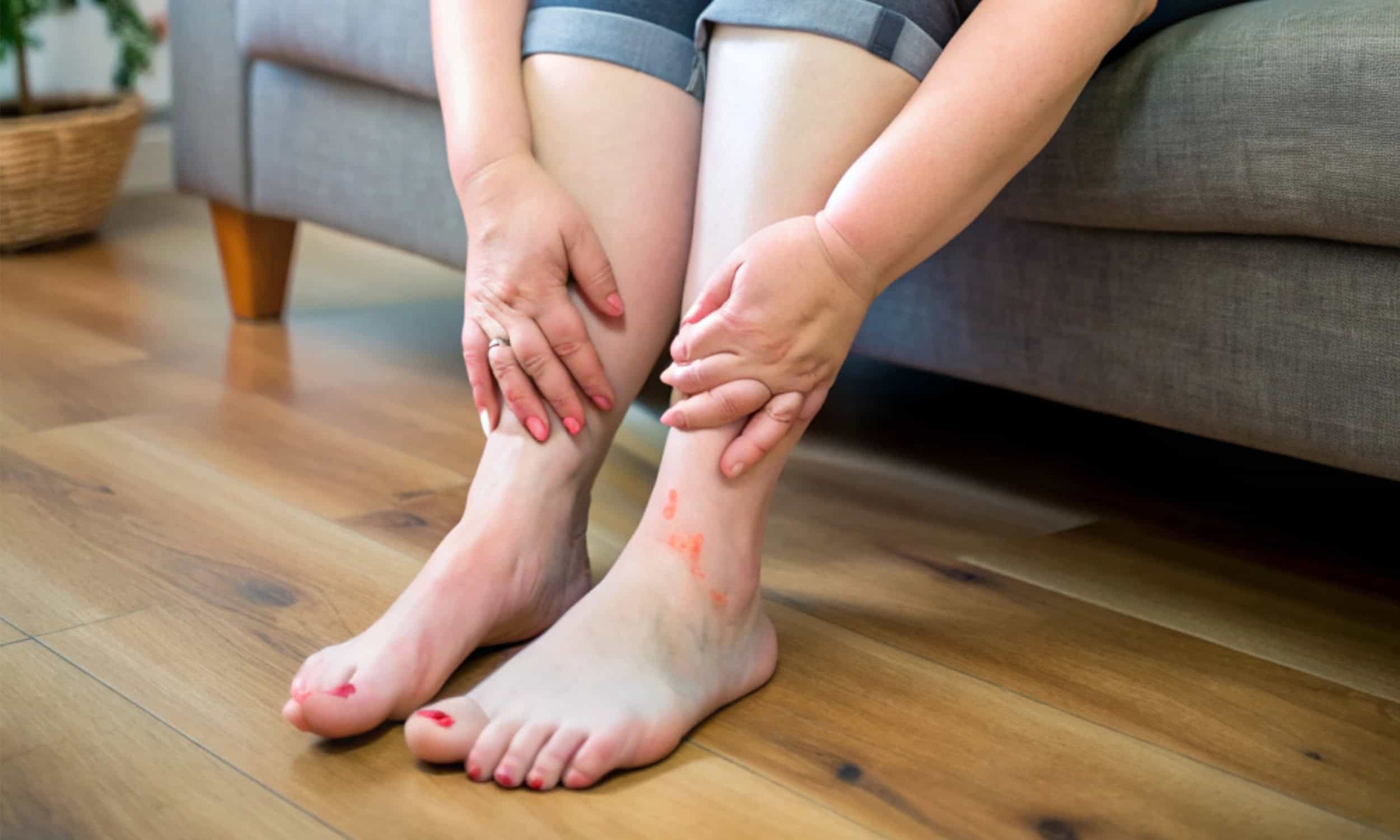
Pain and burning sensation
During heating, distressing pain or a burning sensation in the skin may occur.
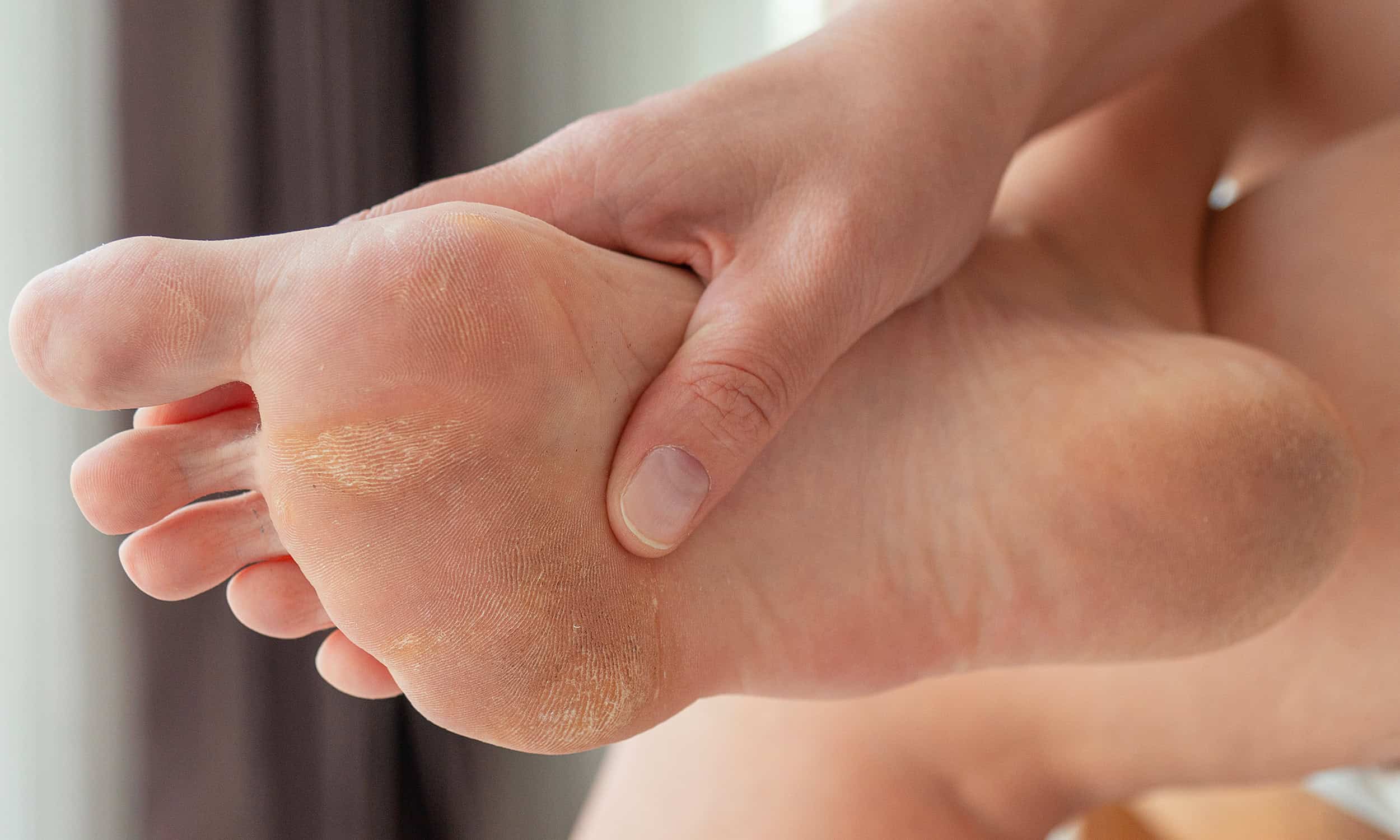
Discolouration of the skin
Affected spots turn red, bluish-purple or purplish-blue; sharply defined or diffusely scattered.
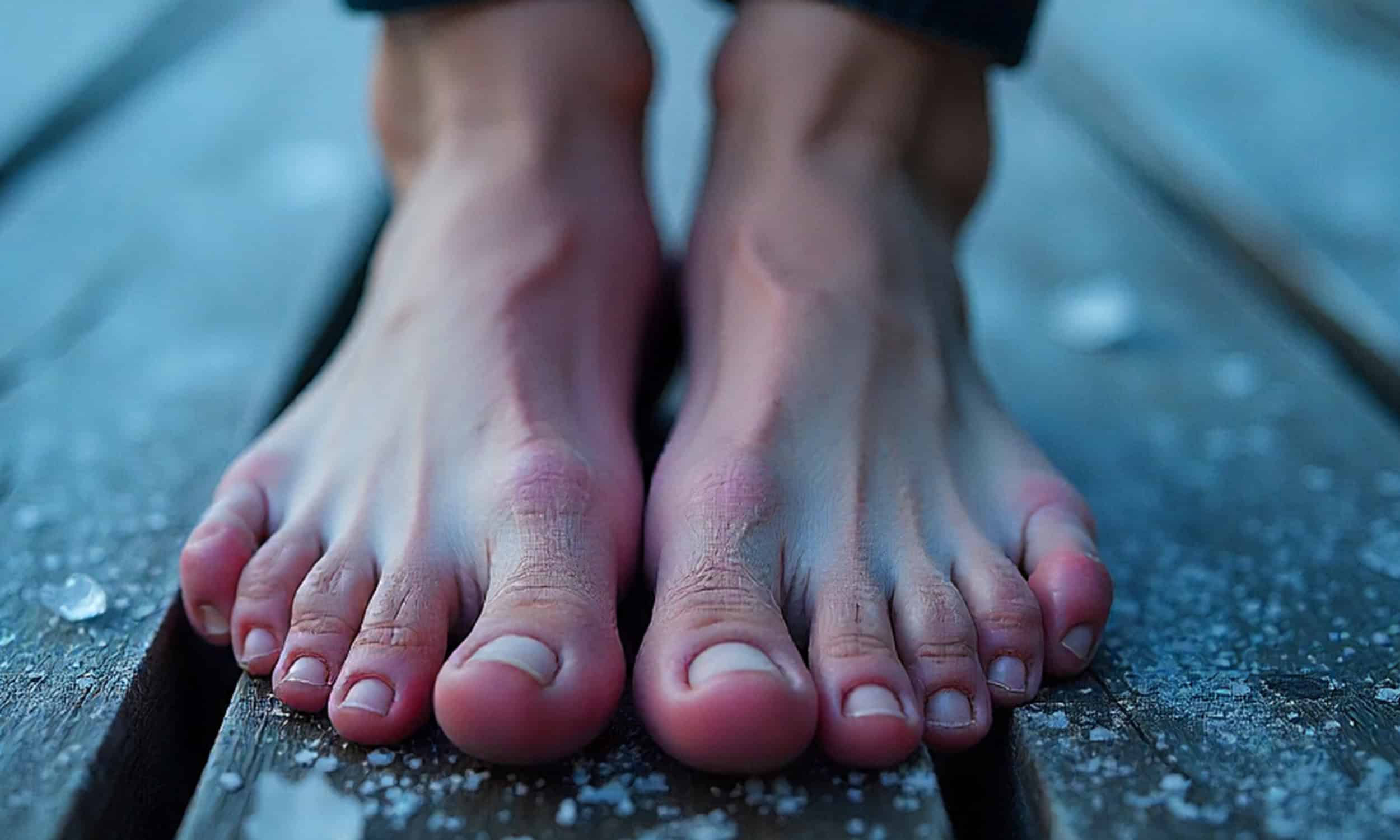
Swelling, blisters or wounds
Swelling or blistering is possible; severe cases lead to wounds or small skin ulcers.
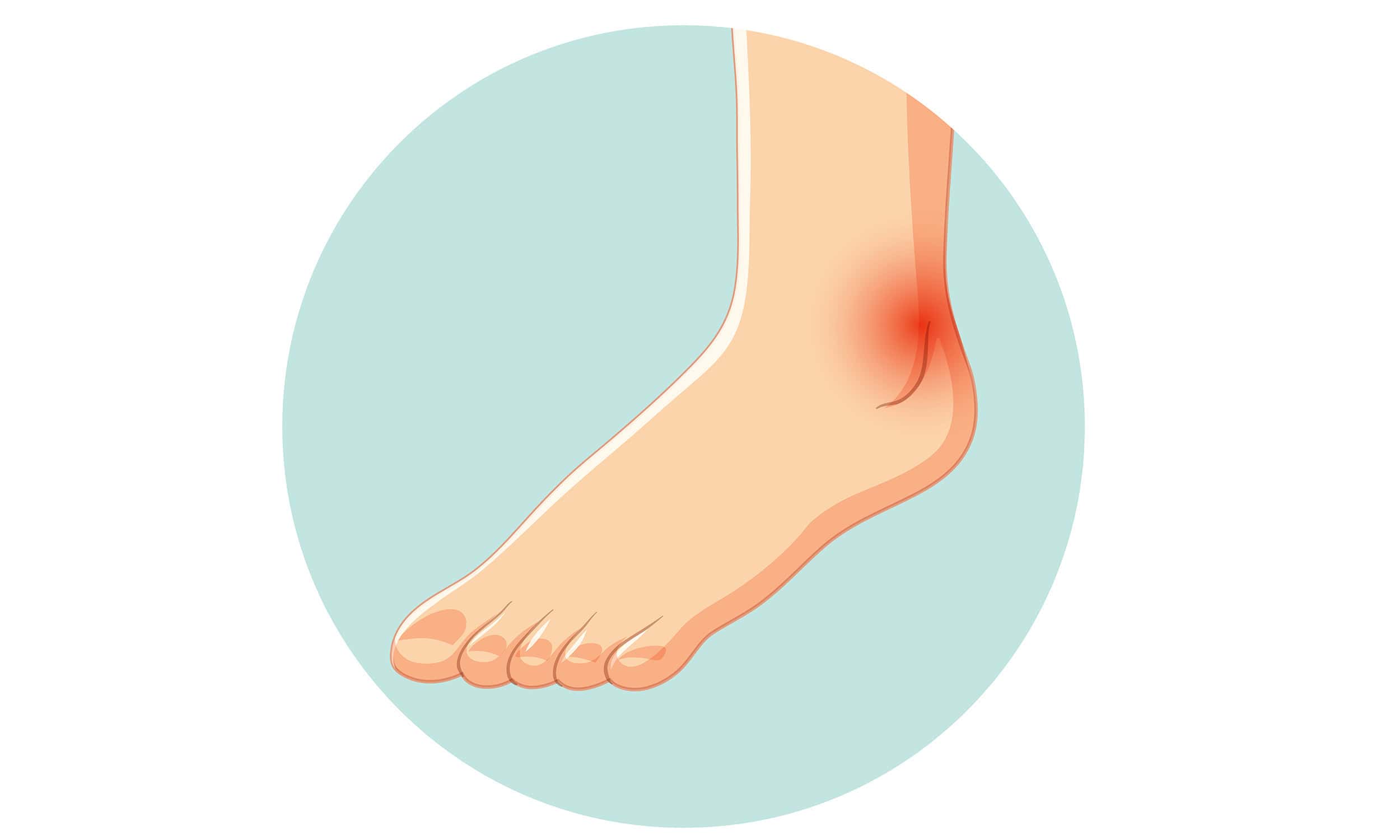
Typical places on the body
Mostly outer toes, fingers, heels or lower legs; sometimes nose, ears, wrists or hips.

Winter toe cause: why are winter and cold especially risky?
The exact winter toe cause is unknown, but the mechanism is an abnormal reaction of the fine capillaries to cold. Normally, large skin vessels constrict when cold so that the body retains heat. However, mini-vessels (capillaries) can re-expand too quickly, causing blood to accumulate and waste products to get stuck. This leads to local inflammation, itching, swelling and discolouration. Contributing factors:
- Thin or damp socks, shoes that are too tight
- Exposure to wet cold, wind (at temperatures between 0 and 10°C)
- Familial predisposition (especially common in certain families)
- More common in women (up to 68-79% of patients are women)
- Poor circulation: in people with rheumatism, smokers, underweight, or use of certain medications
Why especially in winter? Cold combined with humidity, wind and insufficient protection additionally stimulates the circulatory system. Rapidly changing temperatures (e.g. from outside to inside) sometimes cause the capillaries to react incorrectly, increasing symptoms.
What our customers say:
Solution for Raynaud at last
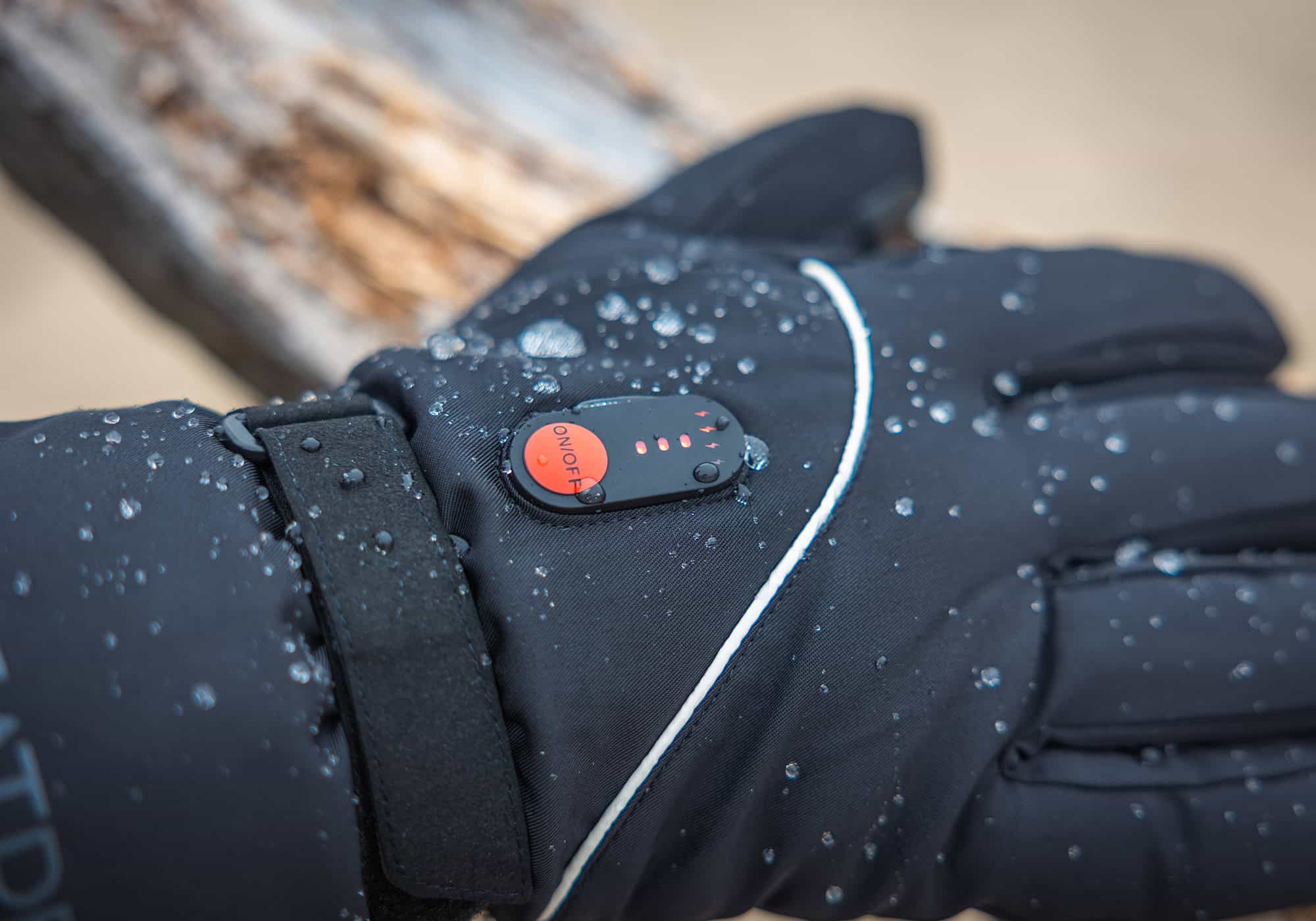
I have Raynaud and normally get pain after 5 minutes. With these gloves, I can easily walk the dog for an hour. Setting 2 is often enough. The buttons are a bit tricky with stiff fingers, but that's detail compared to the gain.
Cold feet are a thing of the past
I always suffer from cold feet, even indoors. Now I just wear these heated socks on the sofa in the evening. Batteries on low and I'm sitting there feeling princess-like.
My best purchase this year
I am retired and enjoy hiking, even in winter. These socks have doubled my hiking enjoyment. I simply never suffer from cold toes again.
Winter toe treatment: what really helps?
The best winter toe treatment is to avoid being exposed to cold. The following tips and precepts apply to everyone:
Wear warm, dry socks, preferably wool or merino, that do not pinch or get damp
Choose roomy shoes with good insulation, and alternate them to avoid moisture
Keep moving, walking around and moving toes/fingers to stimulate blood flow
Avoid rapid temperature changes (i.e. do not warm up directly with hot water/radiator)
Possibly: capsaicin cream (prescription), Midalgan Forte or vaseline cream if skin is dry
In the elderly - but also in people who have suffered for years - avoiding the cold, warm woollen socks, slippers and active exercise are most effective. Medication with vasodilators (nifedipine, diltiazem) is only prescribed in severe cases because of side effects. Corticosteroids, vitamin D and antibiotics have no proven effect against chilblains (NHG, Huidarts.com).
Which socks for winter toes will keep your feet warm the longest?
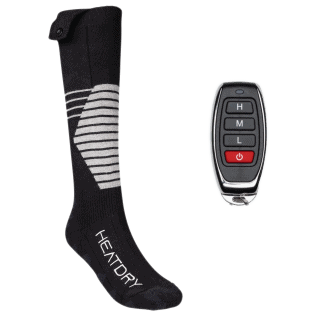
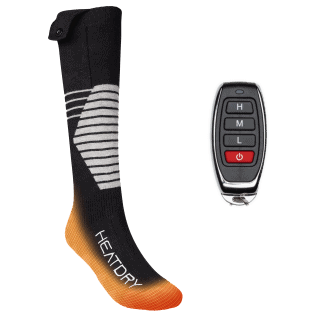
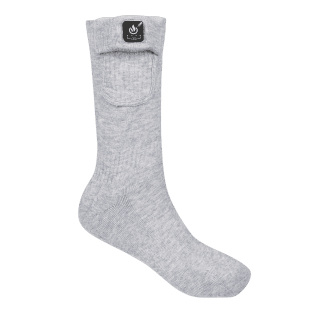
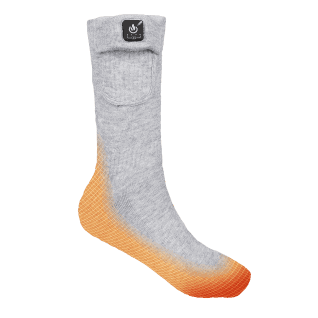
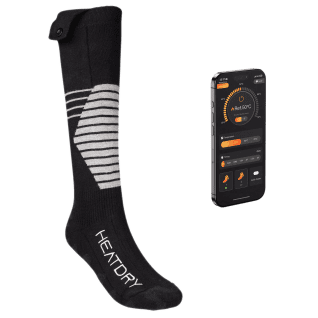
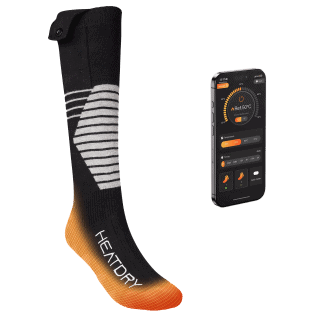
Wool or merino socks retain body heat best. Merino has the advantage that it regulates temperature and moisture and is less likely to cause sweaty feet. For long-term outdoor use (hiking, cycling), a double layer of wool - or heel reinforcement - is recommended. Indoors, you can opt for thinner wool socks with a loose slipper. Socks with copper or silver threads are especially recommended for people with chronically cold feet or microcirculation problems (such as diabetes or rheumatism). For maximum warmth electrically heated socks an excellent option - especially in extreme cold or prolonged idle time outside.
Winter toes and hands at the same time: is it possible and how do you deal with it?
Yes, it is quite normal for chilblains and hands to occur during the same winter period, especially in people with a predisposition to vascular problems, women or people with rheumatism. The approach is the same: warm socks AND gloves, move around a lot, avoid acute cold and temporarily cool down if itching or pain occurs. For the hands, use specially lined gloves, possibly with silver thread, to retain heat and prevent discolouration.
Most common cause in women and rheumatoid arthritis patients
Research shows that women are more prone to chilblains, probably due to hormonal influences, thinner skin and sensitivity of the capillaries. People with rheumatism are also at extra risk; inflammations in the vessels and slower wound healing cause simple winter toes to turn into blisters or wounds more quickly. Proper prevention and timely treatment is especially important in these groups (Rheumazorg Nederland).
Frequently asked questions chilblains
Risk factors: who suffers most from chilblains?
- Women have a different hormonal profile; they are more susceptible to vascular cramps and cold reactions
- People with familial predisposition (heredity plays a role)
- Underweight and reduced fat layer, leading to reduced skin insulation
- Smokers: nicotine further constricts blood vessels
- Little movement or prolonged sitting still (e.g. office job, elderly)
- Use of vasoconstrictive drugs, such as beta-blockers
- Chronic conditions such as rheumatoid arthritis, SLE (lupus) or vascular problems
Especially if you belong to one of these groups, it is essential to take extra measures in cold weather.
Winter toe or Raynaud's Phenomenon? The differences at a glance
| Winter toes (Perniones) | Raynaud |
|---|---|
| Red/blue-purple spots, with swelling | White, blue, then red; without swelling |
| Especially autumn and winter, after cold exposure | All year round, also in case of emotion/stress |
| Location: mainly toes, fingers, sometimes heels/ear/nose | Fingers/toes, whole finger affected |
| Usually limited to skin, sometimes superficial wounds | Colour changes, but rarely skin damage |
Winter toes, what to do if itching or pain is severe?
- Don't scratch! Scratching damages the skin and increases the risk of (bacterial) infections
- Cool briefly with lukewarm water, or a wet flannel for temporary relief
- Menthol, aloe vera or other cooling gels can relieve itching
- Capsaicin or vaseline cream works effectively in some people
- Are there blisters/open wounds or do symptoms persist for weeks? Always consult your GP for appropriate treatment
Socks for winter toes: which ones really work?
The best socks for winter toes are warm, breathable models made of merino wool or pure wool. These materials retain body heat and wick away moisture well - essential to prevent winter toes. Synthetic socks do insulate, but are more likely to cause sweaty feet, increasing the risk of chilling and skin irritation. For those who suffer particularly from cold feet or poor circulation, there are specially designed socks with copper or silver threads that stimulate circulation and counteract static electricity. Note: avoid squishy socks with tight elastic edges or thick seams, as they restrict blood flow.
However, do you want maximum cold protection and long-term heat retention? Then electric heated socks the absolute winner. They provide constant heat even in freezing or stationary conditions, making them ideal for outdoor use or chronically cold feet.
Socks for winter toes compared (2024-2025)
| Brand | Material | Regular footwear? | Notable features |
|---|---|---|---|
| SOXS | 100% (organic) wool | Yes | Super-soft, seamless, very warm, breathable |
| STOX Energy Socks | Merino wool with compression | Yes, including sports socks | Scientifically developed compression |
| Sockwell | Merino wool & bamboo, compression | Yes | Antibacterial, breathable, good reviews |
| Falke | Wool-blend | Yes | Airy, thin enough for everyday footwear |
Winter teats what to do to prevent them while hiking or exercising?
- Choose socks made of wool or merino, preferably with a double layer
- Wear waterproof, breathable shoes - no rubber boots
- Change shoes if they are wet
- Provide extra layer (e.g. a thin undersock plus a thick woollen sock)
- Move shoes regularly and don't stand still
- Avoid direct heating to heaters or with very hot water.
Tip: there are special hiking socks for winter toes - these are thicker, more breathable and offer comfortable support.
Natural treatment of chilblains: can it be done without medication?
In the majority of people, drug-free treatments are effective. Alternating baths with lukewarm/cold and lukewarm/hot water stimulate circulation. Massage toes or fingers daily with an oily cream or natural oil for better circulation. Warm woollen socks and gloves, a warm house, healthy diet (especially enough iron and vitamin C), and enough exercise/lots of walking are effective. Do you have chronic winter toes? Then the symptoms may spontaneously diminish with age, but discipline in living rules remains necessary. Light therapy is sometimes recommended for severe, annually recurring complaints, but the effect varies from person to person (Source).
Winter toes what to do in case of blue or purple discolouration?
- Blue/purple discolouration means the blood vessels are not working optimally. If there is no pain, blister or wound formation, then rest, warmth and protection from new cold is the best approach.
- Do blisters, wounds develop or pain persists (>3 weeks)? Always consult a doctor.
- Smoking, beta-blockers or rheumatism can worsen symptoms; discuss medication with your GP if in doubt.
Winter toe treatment still effective if it has been going on for years?
Yes, even chronic complaints usually diminish if lifestyle rules are followed properly. In case of persistent or extremely painful complaints, the GP may recommend vasodilator medication or physiotherapy. The course is almost always favourable: most people are symptom-free by spring. Chronic wounds, especially in elderly or rheumatic patients, require extra care and medical supervision. The chance of healing increases if you take structural preventive measures, even after years of complaints.
When should you visit your GP with chilblains? Which symptoms are harmless?
- Harmless: itching, tingling, slight swelling or blue redness that disappears on its own after a few days (and without wounds)
- Always consult your GP in case of:
- Blisters, ulcers or skin defects
- Persistent symptoms after 3 weeks
- Symptoms outside the cold season (summer, spring) or without obvious cold exposure
- Severe pain, numbness or signs that the toes/fingers are 'dying'
- Use of vasoconstrictors such as beta blockers, in combination with new symptoms
Sources
- NHG guideline Perniones/winter toes, 2019: https://richtlijnen.nhg.org/behandelrichtlijnen/perniones-wintertenen-winterhanden
- Skin doctor.com: https://huidarts.com/huidaandoeningen/perniones-wintertenen/
- Rheumazorg Nederland: https://reumazorgnederland.nl/wintertenen-of-het-fenomeen-van-raynaud/
- STOX Energy Socks: https://stoxenergy.com/nl/blogs/medisch/wintertenen-symptomen-en-behandelingen
- SOXS: https://soxs.co/wat-zijn-wintertenen-en-hoe-helpt-soxs/
- Boots Pharmacy: https://www.bootsapotheek.nl/blog/wintertenen-en-winterhanden
Summary: facts, figures and practical tips
- Incidence: 0.9-2.1 in 1000 people per year, women 2x as common as men
- Most affected: women, smokers, people with rheumatism, underweight or sedentary lifestyle
- Symptoms: itching, swelling, pain, red/blue discolouration of toes/fingers after cold
- Best prevention: warm woollen socks, loose shoes, no smoking, dry feet, avoid rapid temperature changes
- Most cases heal spontaneously in about 1-3 weeks - faster in children, may take longer in elderly/rheumatic patients