 Free shipping in NL
  & BE
& BE 


Many people suffer from cold hands and feet on a regular basis. Sometimes it makes sense: it's winter or you've been sitting still for too long. But what if you constantly have cold extremities, even when it is warm or you move well? This comprehensive guide answers all the key questions about cold hands and feet, including causes, scientific facts, product experiences, preventive measures and user experiences. Facts and figures are supported by sources where possible. Frequently asked questions, such as what to do in case of persistent symptoms and how iron deficiency affects them, are also covered.
Epidemiology: How common is it and in whom?
Cold hands and feet are very common worldwide. In the Netherlands and Belgium, 20-31% of women and 6-7% of men regularly report cold hands or feet. In Japan and South Korea, this can be as high as 30%. In colder climates, such as northwestern Europe, complaints are most frequent due to the climate. It is also commonly seen in temperate zones. Young people, especially adolescents, suffer relatively frequently without direct cause, often due to not yet optimal autonomic regulation. Older people are also more vulnerable because of a reduced functioning vascular system and decrease in blood vessel elasticity in the skin.
Why do you have cold hands and feet? Anatomy and physiology
The body keeps vital organs warm by temporarily cutting off blood flow to the hands and feet when it is cold. Peripheral vessels constrict, causing less blood and heat to flow to the extremities. The phenomenon is a natural protective response. However, in some people, this mechanism overshoots or operates constantly, causing them to always experience cold hands and feet. Physical inactivity, smoking, psychological stress (due to adrenaline) and tight clothing can intensify this vasoconstriction.
What are the combined causes of cold hands and feet?
Circulation & blood vessels
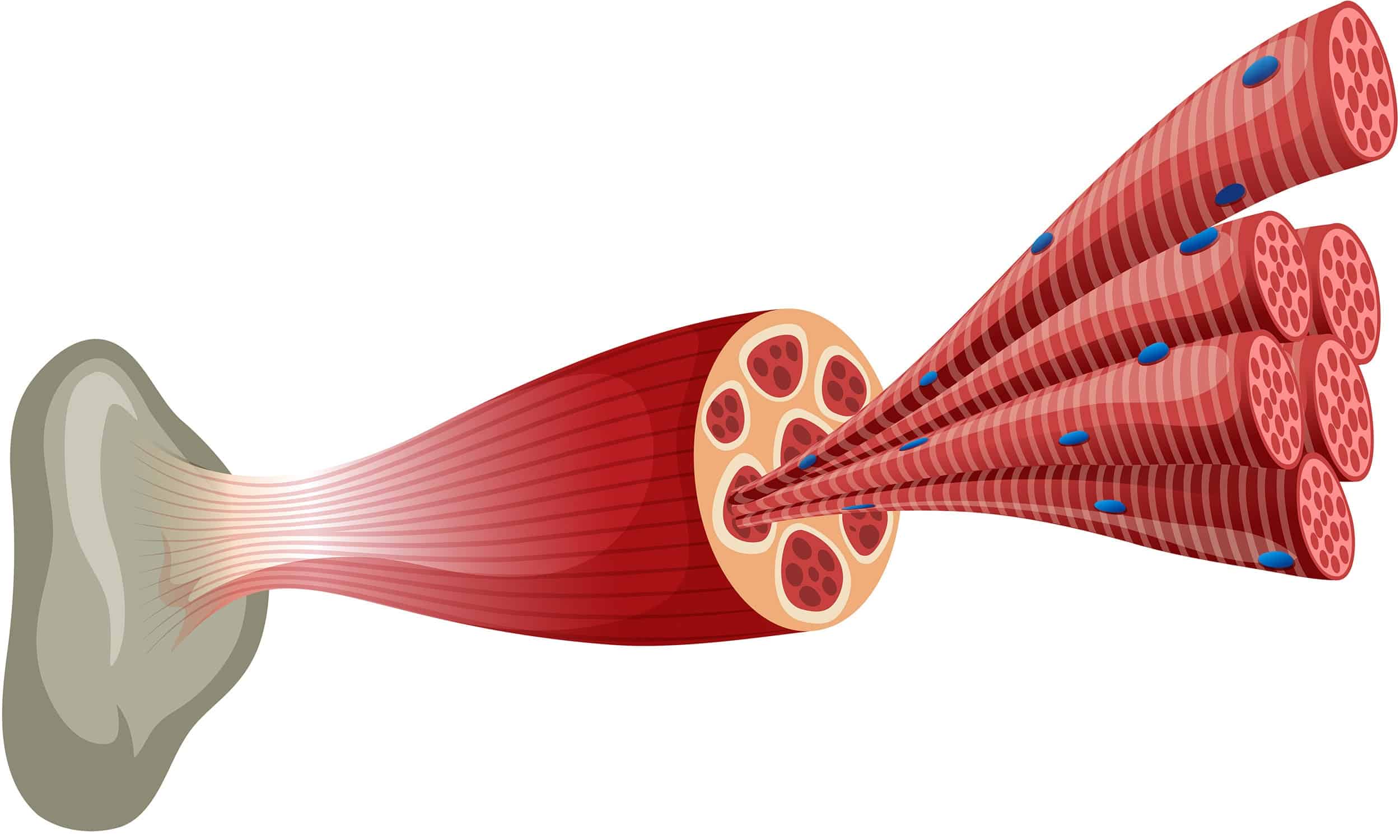
Reduced blood flow is often the direct cause of cold hands or feet. Cold, sitting still and stress cause blood vessels to constrict or reduce the pumping action of muscles. Lifestyle factors such as smoking and excessive alcohol consumption also play a role, as they damage blood vessels and restrict oxygen supply. In addition, low blood pressure or medications such as beta blockers can cause less blood to flow to the extremities.
Hormones & predisposition
Hormones have a strong influence on the regulation of blood flow. Especially in women, fluctuations in oestrogen and progesterone can lead to sensitivity to cold hands and feet. Individual predisposition also plays a role in this: some people naturally have blood vessels that contract faster or a less efficient flow in the extremities.
Chronic diseases
Several medical conditions can contribute to poorer blood flow and heat regulation. Diabetes, for example, affects blood vessels and nerves, disrupting regulation. Slow thyroid function lowers metabolism and reduces heat production. Vascular, rheumatic and autoimmune diseases can also constrict the vessels or cause inflammation, further restricting flow.
Blood & nutrition
The blood itself also plays a role. With anaemia or iron deficiency, less oxygen transport is possible, making the body feel colder and especially the hands and feet cool down faster. Nutrition can also be a determining factor in this: a lack of important nutrients or an unhealthy diet can reduce the quality of blood vessels and negatively affect blood flow.

Lifestyle & exercise
Finally, lifestyle has a lot of influence. Little exercise causes muscles to pump blood around less actively, reducing flow to the extremities. Combined with factors such as smoking, unhealthy diet and excessive alcohol consumption, this weakens the body's ability to properly regulate blood flow and heat.
Cold hands and feet due to anaemia or iron deficiency?
Anaemia, often due to iron deficiency, is a common cause of persistently cold hands and feet. Red blood cells and haemoglobin transport oxygen; when deficient, your tissues, and hence your skin and limbs, function less well. Symptoms of anaemia, apart from cold extremities, include fatigue, pale skin, dizziness and shortness of breath. About 1 in 5 menstruating women in the Benelux countries experience iron deficiency at some point. Iron-rich foods (red meat, fish, legumes, green leafy vegetables) and iron supplements are essential for recovery. Vitamin B12 deficiency is also a risk factor.
Other important medical causes and diseases
Besides iron deficiency, several diseases play a role: hypothyroidism (slow-working thyroid), vascular disease (PAD), Raynaud phenomenon, diabetes (nerve damage), autoimmune diseases (lupus, scleroderma) and kidney failure. In Raynaud, fingers or toes turn white, blue and red during attacks. Medication (beta-blockers), smoking and alcohol consumption further worsen symptoms. When hands or feet are numb, painful, discoloured or associated with wounds, prompt medical check-up is important.
What our customers say:
Best invention ever!!!
Seriously, I don't understand how I ever lived without these things. My feet were ALWAYS cold, even in bed. Now just warm. Charging batteries... yes you have to do that, but c'mon, what bliss.
Along for the ride every day
I cycle 30 minutes to the office and use them every day. They do exactly what I expected them to do: warm hands :). No hassle, just charge them in the evening and they are ready the next morning.
No more freezing cold toes on the bike
I cycle to work every day and my toes were always numb when I arrived. With these heated socks, that's done. They warm up quickly and last for at least 4 hours. You just feel like a different person, such a difference.
How to prevent cold hands and feet? Expert advice
Experts recommend the following strategies to prevent cold hands and feet:
- Exercise regularly and avoid prolonged sitting. This stimulates circulation.
- Wear warm, non-shrinking insulating socks and gloves made of materials such as wool, fleece or technical fibres.
- Avoid too tight footwear or clothing.
- Stop smoking and limit alcohol intake.
- Ensure an iron-rich and varied diet. Supplements can help with deficiency.
- Drink 1.5-2 litres of water a day. - Reduce stress through relaxation, meditation or breathing exercises.
- Take alternating hot and cold showers.
- Massage feet and hands regularly.
- Get plenty of sleep. This routine significantly reduces the risk of cold fingers and toes.
What tips do experts give for cold hands and feet?
- Alternating baths and hot/cold showers promote circulation.
- Massage your hands and feet, possibly with warming ointment.
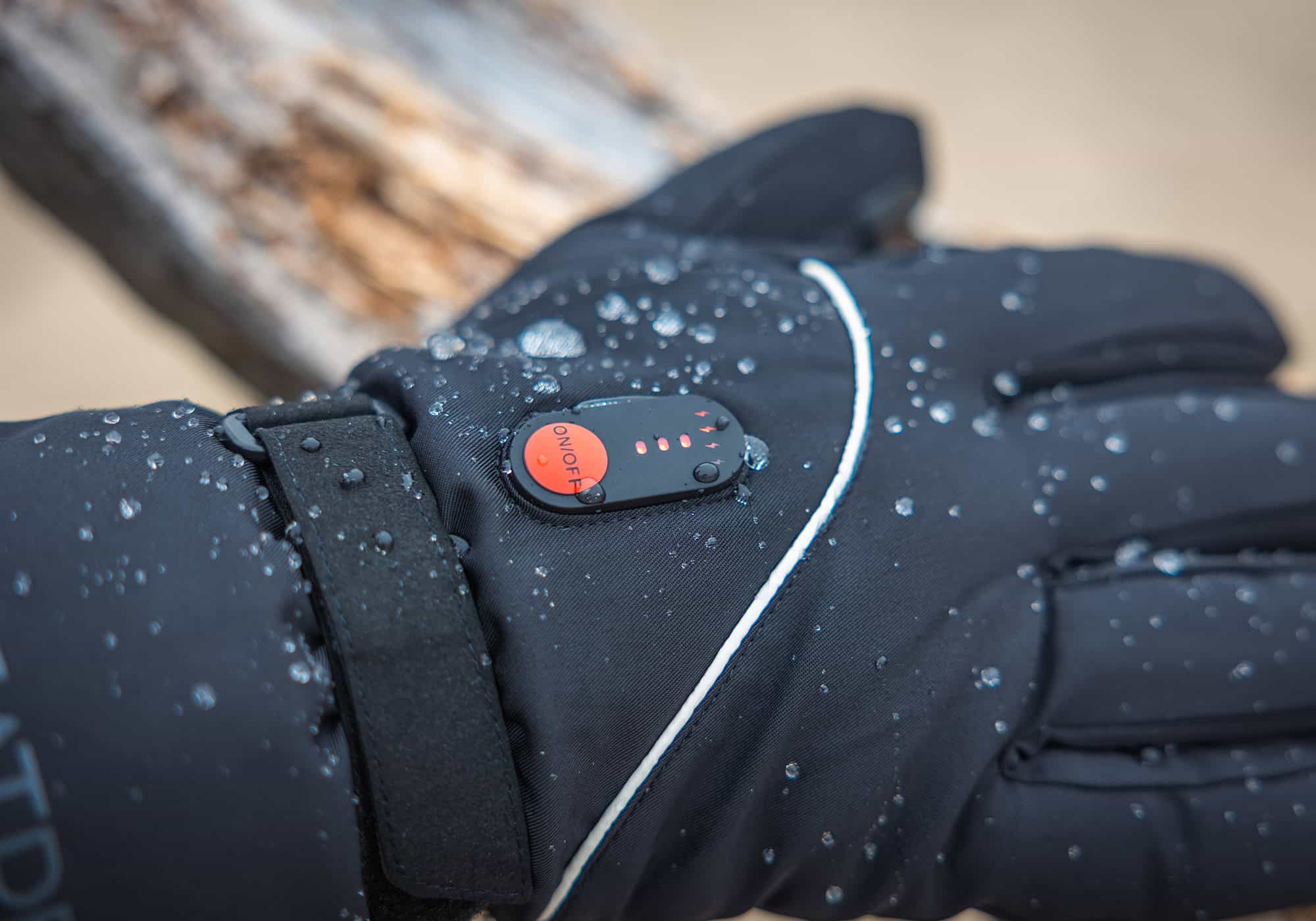
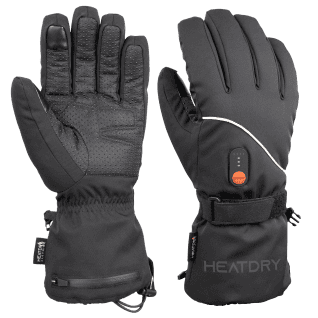
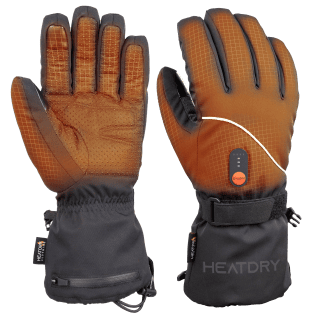
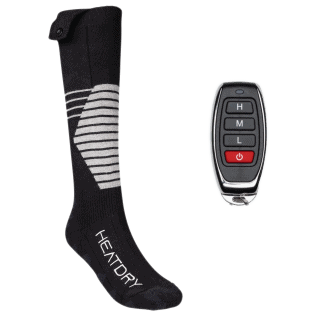
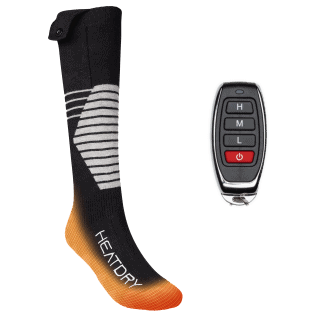
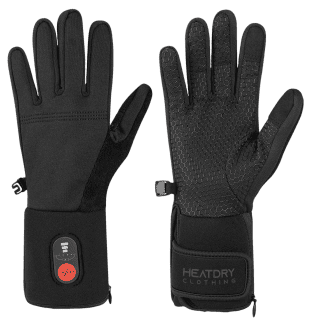
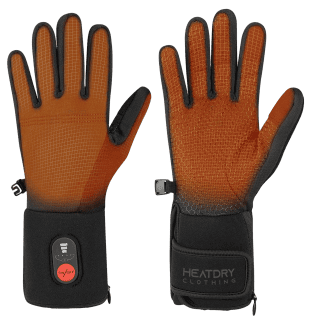
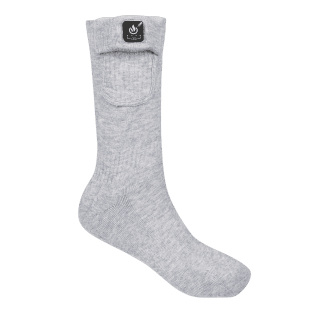
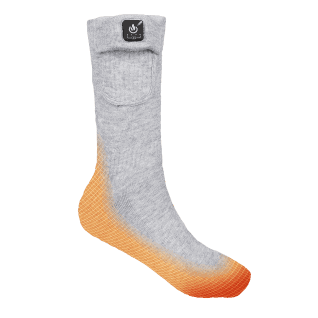
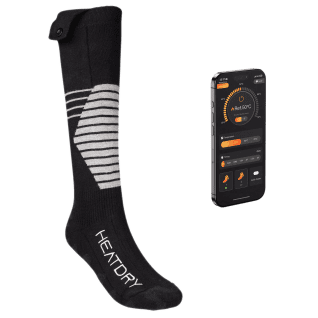
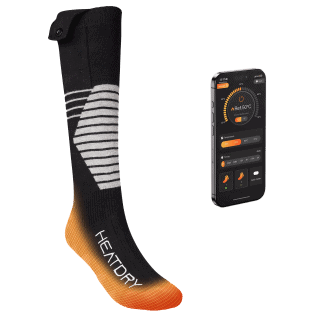
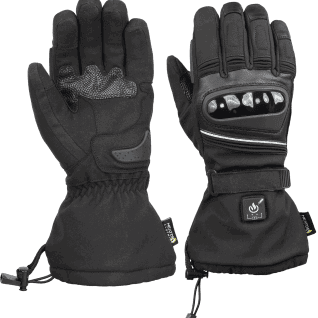
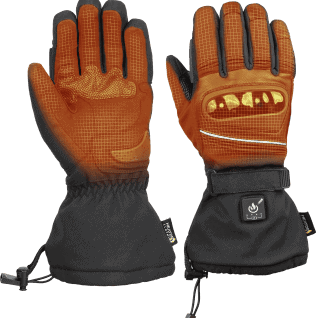
- Wear special heated gloves or socks during outdoor activities or prolonged sitting.
- Don't let hands and feet get wet outside in the cold.
- Usage shoes with insulating soles and, if necessary, wear two pairs of socks (one thin and one warm, non-shrinking).
- Avoid caffeine and energy drinks.
- Monitor symptoms and always visit a doctor in case of numbness, ulcers, pain or strong discolouration.
Other people's experiences with products against cold hands and feet
Many user reviews of heated socks, gloves and insoles are positive. In particular, people with Raynaud's disease, the elderly and outdoor workers say they benefit greatly from good products. Quality determines comfort and effectiveness. Classic wool socks and jugs remain popular, but electric socks and gloves offer prolonged and more immediate warmth. According to reviews, premium heated products retain heat for 3 to 10 hours per battery charge, while cheaper variants sometimes wear out after 1-2 hours.
Can you wear heated gloves and socks at the same time?
Yes, heated gloves and socks can be worn together just fine, provided the battery pack of each product does not interfere with each other and the fit remains comfortable. There are even sets available that are specifically designed to be worn together. Make sure the products do not pinch or constrict blood flow.
How long do heated socks and gloves retain heat?
The heat duration of these products depends on the brand, capacity, heat setting and outdoor temperature. On average, quality heated gloves retain heat for 3-10 hours per battery charge, heated socks typically 4-10 hours. Budget variants often do a lot less time (1-2 hours). Recharging regularly and choosing quality will extend the heating time.
Frequently asked questions about cold hands and feet
What is the best way to prevent cold hands and feet?
Regular exercise, warm non-shrinking clothes and socks, healthy diet (especially iron-rich), quitting smoking and drinking enough.
What are the experiences of others?
Especially positive experiences with heated gloves/socks, hot water bottles and infrared blankets for nighttime use, and wool socks as a classic.
What does always cold hands and feet mean?
This often indicates reduced blood flow, stress, hormonal influences or underlying diseases. In case of numbness, pain, discolouration or fatigue, always consult a doctor.
Are cold hands and feet a symptom of anaemia?
Yes, iron deficiency or B12 deficiency can cause cold hands and feet due to reduced oxygen transport.
What role does iron deficiency play?
Iron deficiency is a common cause, especially in women. Sufficient iron intake is important.
Can you use heated socks and gloves at the same time?
Yes, this is possible if comfort remains good.
How long do these products retain heat?
On average 3-10 hours, depending on brand and heat setting. HEATDRY Clothing's heated gloves can last up to 14 hours, HEATDRY's heated socks can last up to 12 hours.
Conclusion
Cold hands and feet are a common problem, usually harmless but sometimes signalling underlying conditions. Most people benefit greatly from a combination of lifestyle measures, warm clothing and modern aids such as heated socks and gloves. Stay alert to symptoms of illness and consult a doctor in time if symptoms persist or worsen. Choose proven products and adjust your daily routine for warm, comfortable hands and feet. Quality, medical knowledge and listening carefully to your body are paramount.