 Free shipping in NL
  & BE
& BE 


Numb fingers are a complaint that millions of people in cold climates - including Belgium and the Netherlands - face every day. Not only is it uncomfortable and painful, but it also limits your hand function, making daily actions complicated and sometimes even dangerous - think cycling with numbness. In this comprehensive article, you will read all about the causes, differences and solutions, with a special focus on function, price, choice and experiences around heated gloves against numb fingers due to cold.
What are the most common causes of numb fingers?
Numb fingers in cold weather occur because the blood vessels in your hands and fingers contract (vasoconstriction) to keep the body's core warm as much as possible in cold weather. As a result, not enough oxygen-rich blood temporarily reaches your fingertips and you get a tingling, prickling, or even completely numb feeling in your fingers. This mainly affects women, people with a slim build or with pre-existing vascular problems. According to figures from ReumaNederland and Thuisarts.nl, an estimated 3 to 10% of the population suffers occasional or structural numbness of fingers due to cold. Heredity plays a role: 'primary Raynaud's phenomenon' is common within families.
Other causes besides cold
Besides cold, other factors also play a role: stress, bright light, vibration (vibration sickness caused by machine tools), incorrect posture (pinching off nerves/blood vessels in the neck or shoulder), smoking (exacerbates vasoconstriction), an autoimmune disease (e.g. scleroderma, SLE, rheumatoid arthritis), diabetes (affecting nerves and blood vessels) or medication use (beta-blockers, among others) can cause or exacerbate numbness of the fingertips. Because of this diversity of causes, it is important to always have long-term or unilateral numbness medically assessed. Did you know that thyroid problems, vitamin B12 deficiency or carpal tunnel syndrome can also cause numb fingers? That shows how important it is to get the exact cause into focus.
Why does cold mainly affect the hands?
The hands (and feet) protect the body from heat loss, but their construction makes them very sensitive to temperature fluctuations. Your fingers contain many small blood vessels and nerve endings, but comparatively little fat. This ensures that cold directly affects the comfort and blood flow in the fingertips. With sudden temperature changes, wind or when touching cold objects, the vasoconstriction mechanism kicks in at lightning speed - sometimes as early as 12 degrees Celsius!
Numb fingers when cold: Raynaud's phenomenon explained
Raynaud's phenomenon (named after physician Maurice Raynaud) is the most common explanation for numb fingers when cold. In the Netherlands and Belgium, this condition occurs in 2-5% of the population, mainly women between 15 and 40 years of age (source: ReumaNederland). In Raynaud, the blood vessels in your fingers contract to an extreme degree when exposed to cold or stress. The symptoms typically occur symmetrically, i.e. on both hands. They progress in three phases: first white (no blood), then blue (oxygen deficiency), then red (restored blood flow; accompanied by tingling and sometimes severe pain). Additional symptoms include painful fingers, stiffness, reduced sensation and sometimes even small wounds on fingertips. Secondary Raynaud occurs with underlying diseases - then there is a greater chance of permanent damage to skin or tissue.
When should you see a doctor with numb fingers?
Sometimes numb fingertips can indicate a more serious underlying condition, especially when symptoms suddenly arise over the age of 40, or if it affects only one hand. It is medically necessary to see a doctor in case of: - Prolonged numbness or pain, even when it is not cold - Blue, purple or black discolouration of the fingers - Ulcers, wounds or poorly healing skin - Numbness after a hand injury (fracture, bruise) or vaccination - Numbness of the fingers combined with loss of strength A GP can distinguish between primary and secondary Raynaud's, vascular problems, nerve entrapment or other causes such as an autoimmune disease, after asking and examining.
What really helps against numb fingers in cold weather?
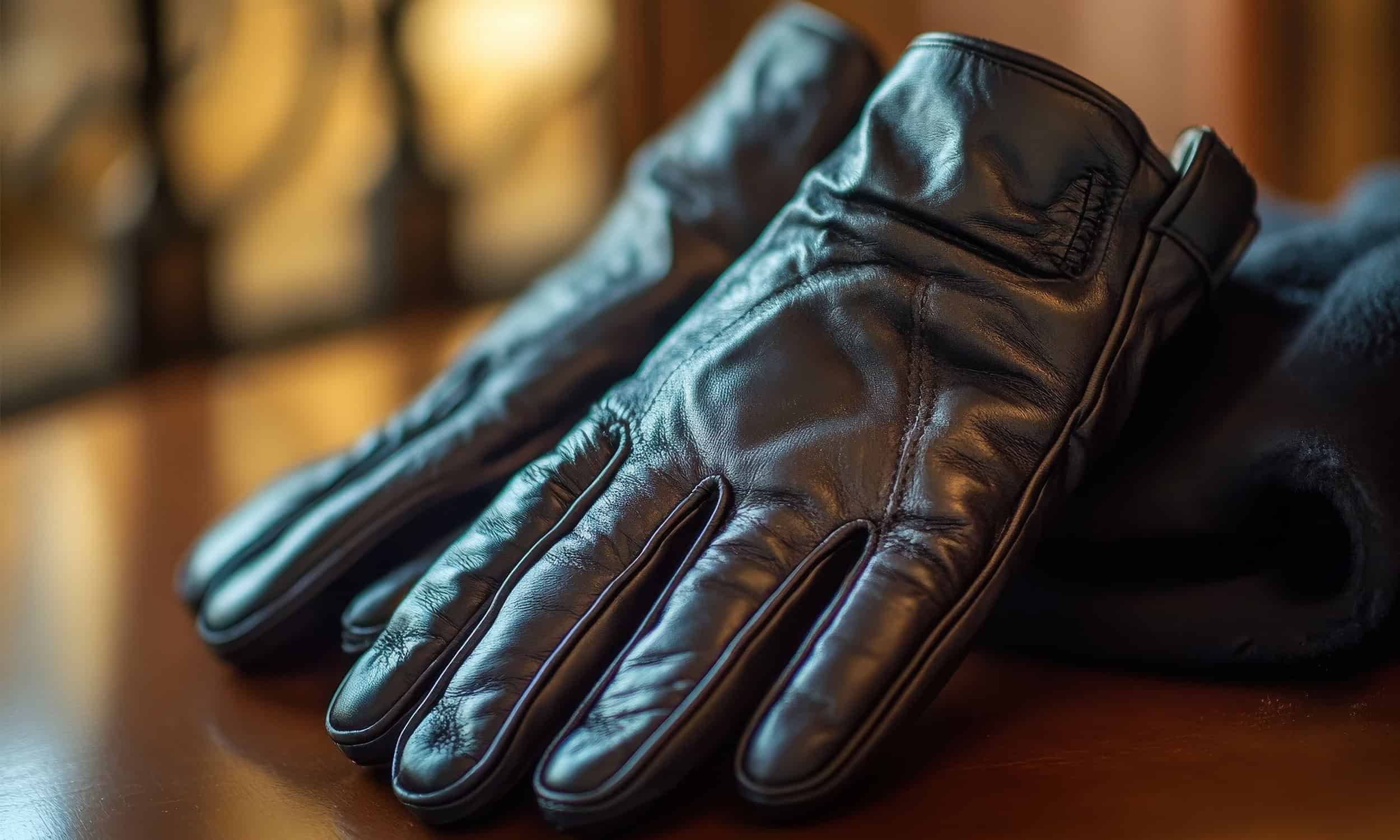
Wear leather gloves
Leather gloves provide extra insulation and protection from the cold.
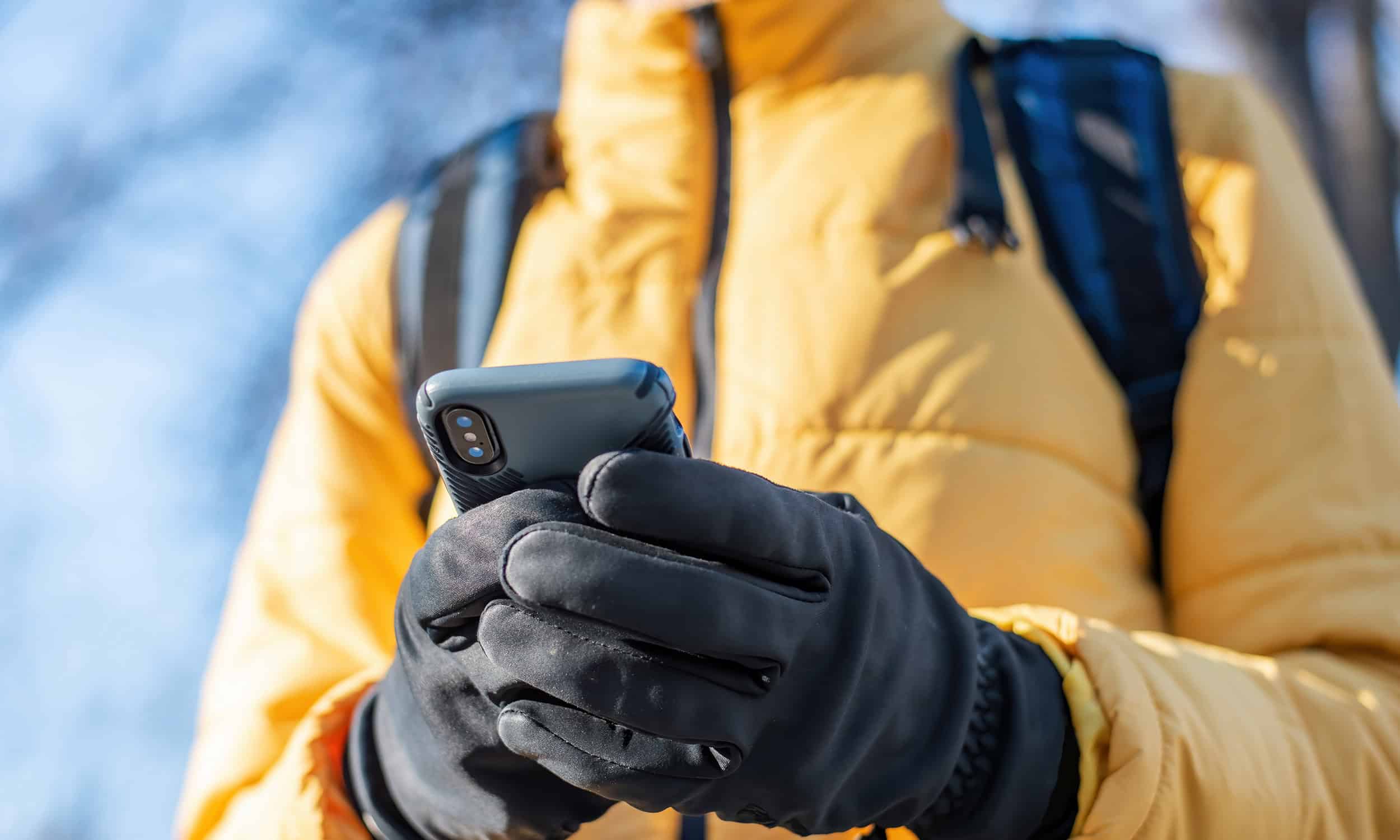
Choose warm and waterproof
Use gloves with insulation, windproof outer layer or electric heating.
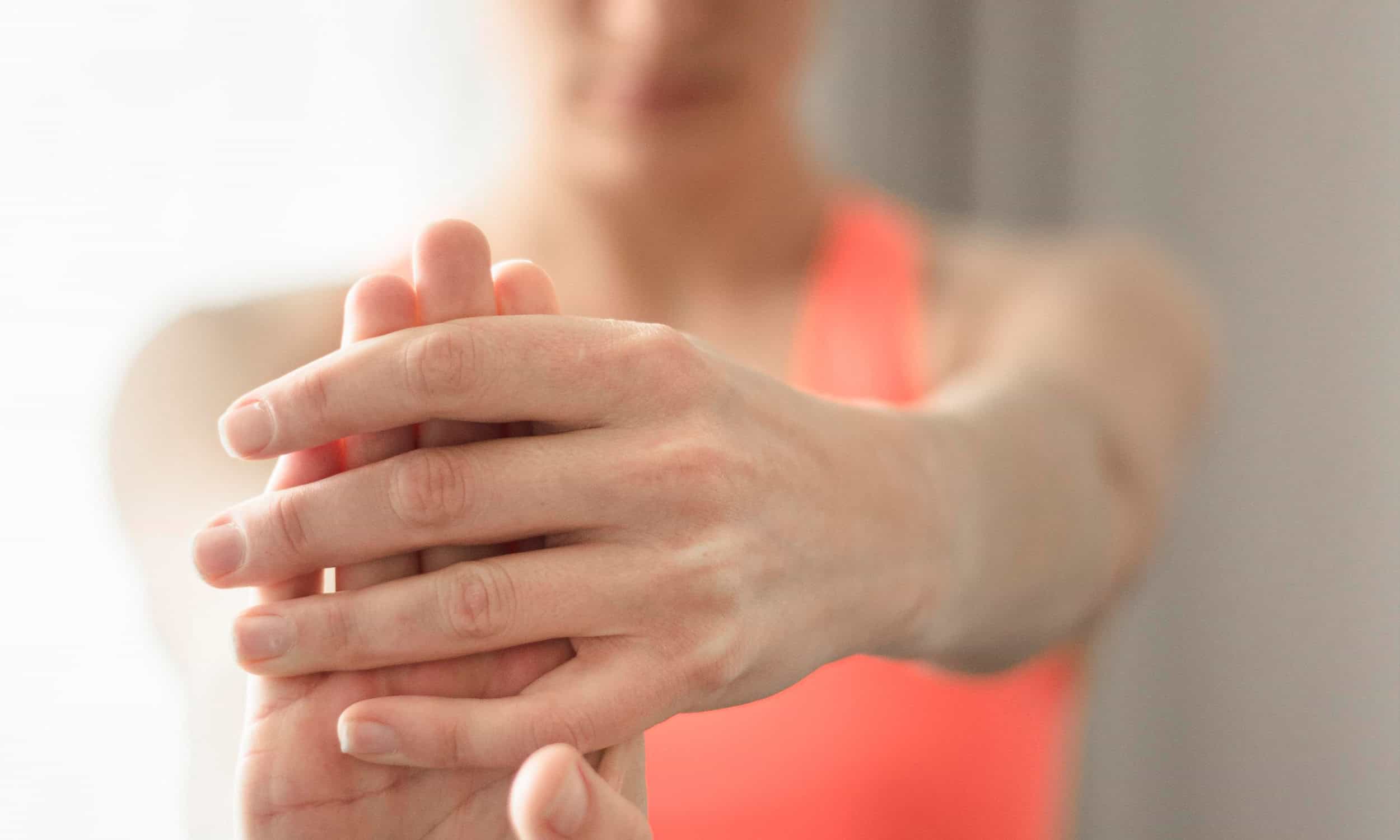
Move hands regularly
Movement stimulates blood flow and prevents numbness in fingers and tips.
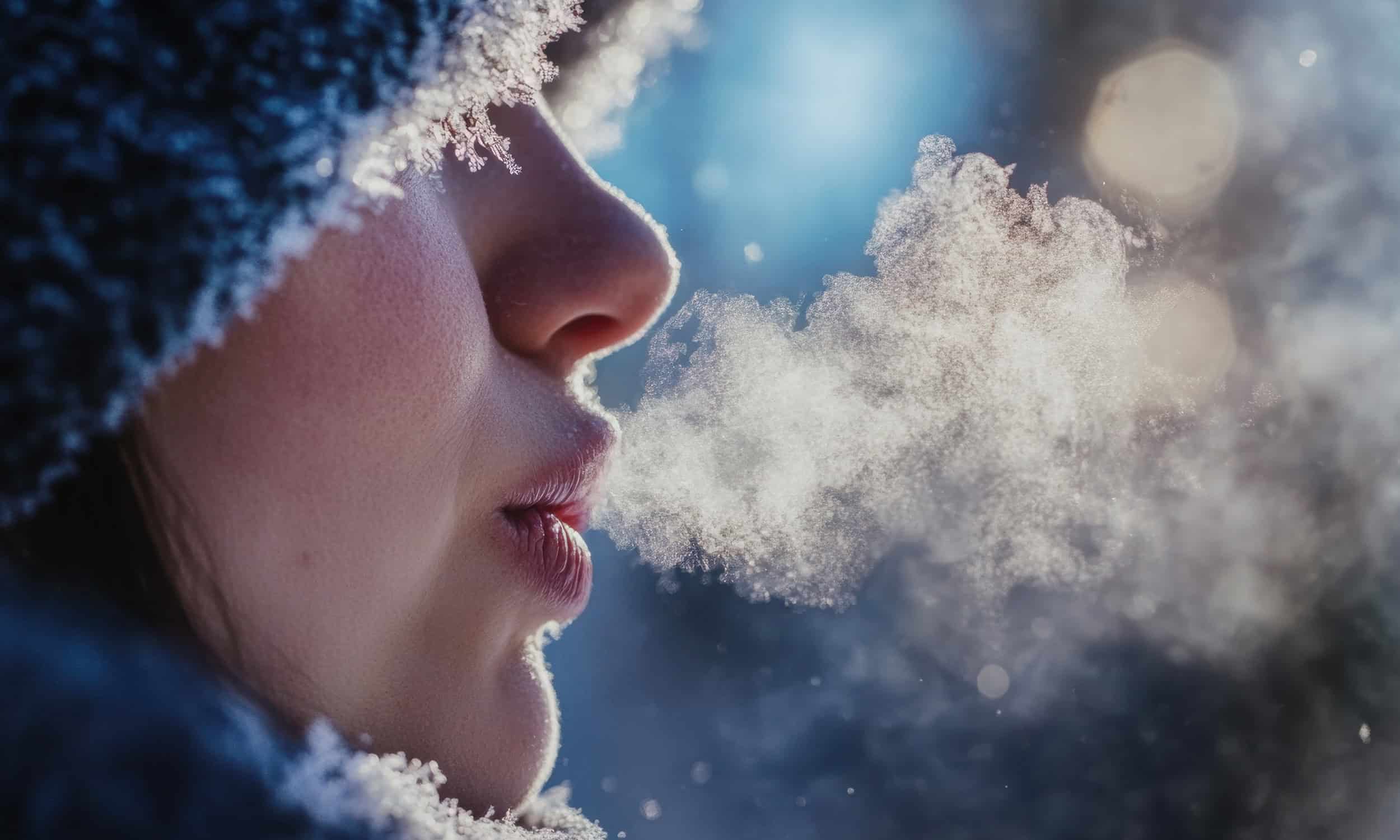
Avoid cold and nicotine
No smoking and warming hands prevents sudden vasoconstriction.
Consider medication in case of complaints
Physician may prescribe nifedipine for severe cold-related circulatory problems.

What customers say:
Best invention ever!!!
Seriously, I don't understand how I ever lived without these things. My feet were ALWAYS cold, even in bed. Now just warm. Charging batteries... yes you have to do that, but c'mon, what bliss.
Solution for Raynaud at last
I have Raynaud and normally get pain after 5 minutes. With these gloves, I can easily walk the dog for an hour. Setting 2 is often enough. The buttons are a bit tricky with stiff fingers, but that's detail compared to the gain.
Tested at -10 in Austria
During winter sports in Austria, temperatures around -10. They really do what they promise: warm hands, even in the lift. Batteries last for 3 hours on highest setting. For long days, I would recommend extra batteries.
Overview: types of gloves and their effect on numb fingers in the cold
There are roughly three types of gloves that help with cold:
1. Thermal gloves: consist of several layers of insulation (such as wool, fleece, Thinsulate), retain body heat, are relatively inexpensive (often between €20 and €70), but do not sufficiently help with severe circulatory problems.
2. Silver wire gloves: improve heat conduction by inserting silver wire into the textile. Provides limited active heat, works especially well as an extra layer under regular gloves. Helps especially with mild complaints.
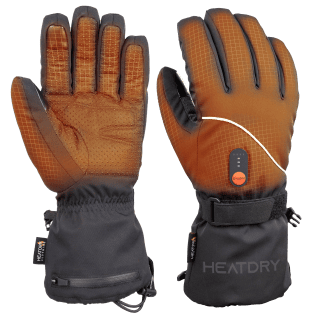
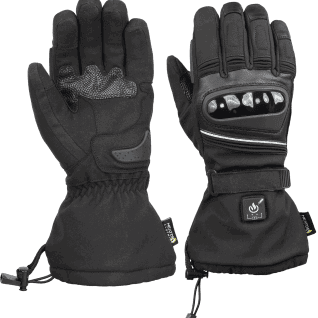
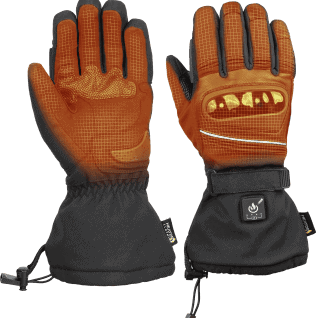
3. Heated gloves: contain electric heat elements on the back of the hand and sometimes in the fingers. Battery-powered, with multiple heat settings (typically 35-55°C), provide up to 7-14 hours of active heat on the highest setting. Because the heat is actively added, even the fingertips are heated - essential in preventing numb fingertips or provoking Raynaud's attacks.
What is the difference between heated mittens and gloves?
Heated mittens are especially suitable in extreme cold and - by bringing the fingers together - offer the best natural insulation. They are unrivalled when you don't need much hand dexterity or finger control (e.g. when hiking, skiing, walking). Heated gloves offer individual heating of each finger, which is important for numb fingertips. Modern models (such as Bertschat Dual Heating, HeatPerformance Ultra Thin) combine insulation with active warmth to the fingertips, without losing grip, finger freedom or touchscreen functionality. Many people with winter hands or Raynaud therefore choose heated gloves, sometimes as an underglove combined with a thin insulating mitt. In doubt? Choose gloves if you need flexibility and fine motor skills (for driving, cycling, sports), mittens for prolonged passive exposure (hiking, skiing, fishing).

How do heated gloves work for poor circulation?
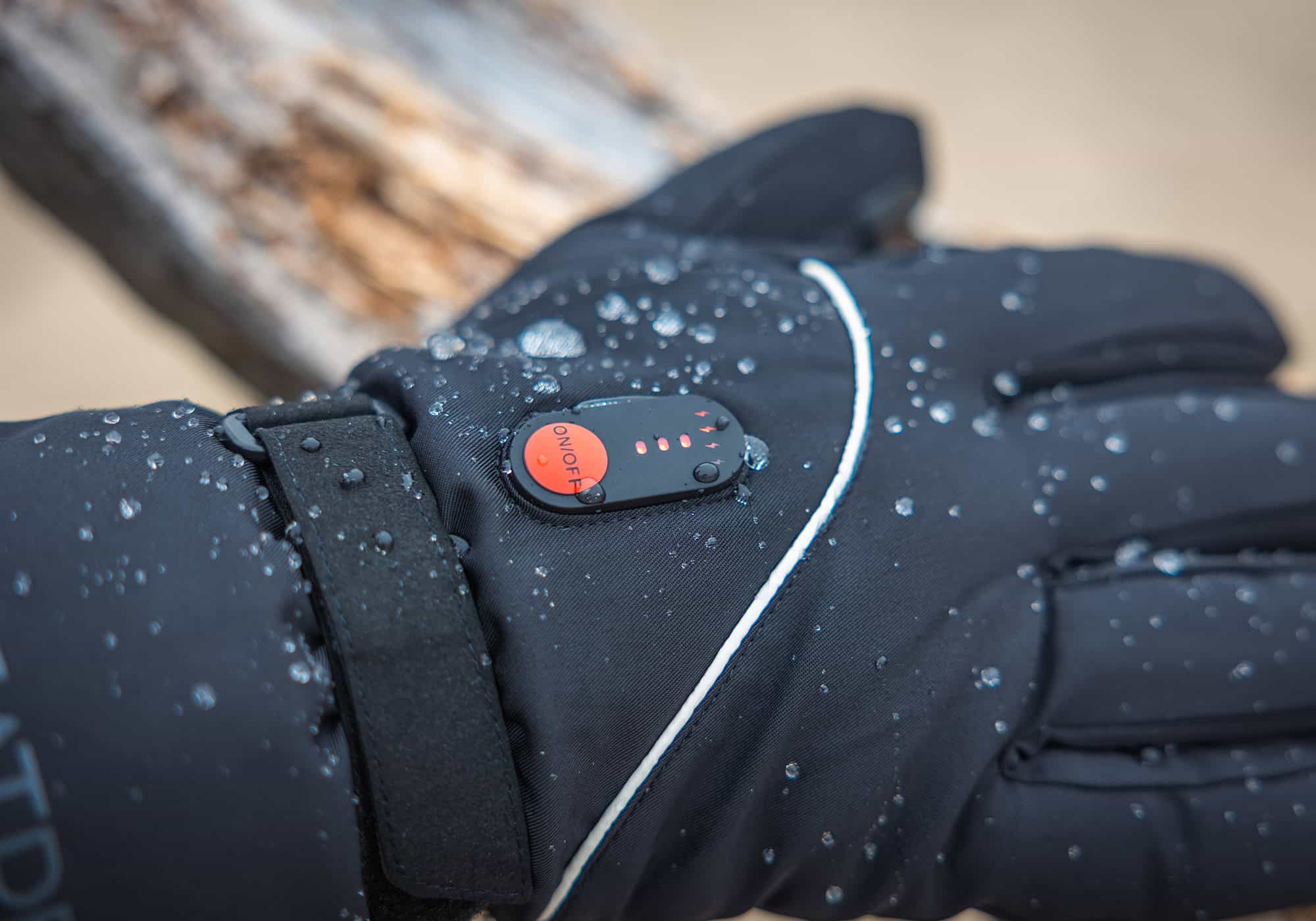
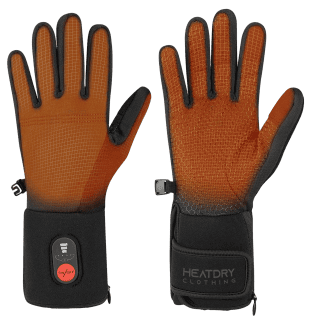
Heated gloves work on the basis of flexible heating elements that generate heat via a rechargeable battery. The heat spreads across the back of the hand and interlace at the fingers. Due to the active supply of heat, the skin temperature remains above the 'cold limit' and the capillaries in the fingers no longer contract. This reduces the risk of numb fingers caused by poorly perfused fingers due to cold, even at temperatures well below freezing. Active heat settings are often adjustable (low for mild cold, high for extreme cold or for severe Raynaud's). In many models, maximum heated air is dispersed along the fingertips within 30 seconds. Besides comfort (no itchy gloves with chemicals or heated pads), they also offer control and safety: you can adjust the heat setting and continue to enjoy warmth for several hours during outdoor activities thanks to modern battery technology.
What are the best heated gloves against cold and numb fingertips?
According to independent tests (source: R2B Store, DutchHeating.nl, Consumer Reviews), the following models stand out:
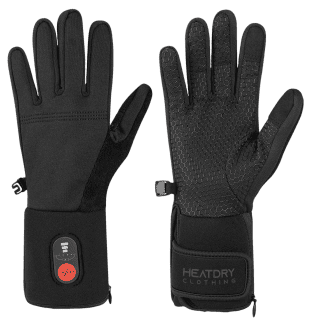
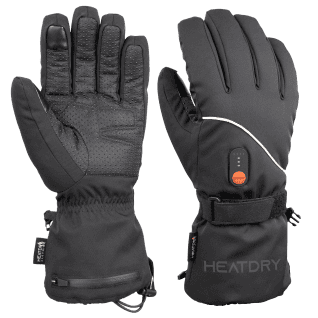
- HEATDRY Clothing DailyCore: heated gloves that can withstand extreme winter conditions down to -20 degrees, with 14 hours of battery life.
- HEATDRY Clothing SlimHeat: an everyday thin heated glove, guarantees freedom of movement for your hand.
- Bertschat Dual Heating: heats palm and fingers, adjustable in three settings, up to 14 hours of battery life, splash-proof, suitable for Raynaud.
- HeatPerformance Ultra Thin: ultra-thin fit, also suitable as a liner, ideal in combination with a mitt, warm for up to 8 hours, lightweight battery.
- R2B Electric heated gloves: price-friendly choice, up to 6 hours of battery life, fast warm-up and comfortable fit. All models listed score high on long-lasting heat distribution, comfort, freedom of movement and are suitable for people with poor circulation or winter hands.
How much do heated gloves for numb fingers cost?
The price of heated gloves starts around EUR99 for simple models from webshops like HEATDRY Clothing and R2Bstore.co.uk and goes up to EUR250+ for high-end products with extra-large battery packs and advanced temperature controls. HEATDRY Clothing DailyCore costs on average EUR120, while the SlimHeat also costs EUR120. Bertschat Dual Heating costs between EUR170 and EUR229, while the HeatPerformance Ultra Thin costs around EUR149 to EUR179. Higher prices are explained by longer battery life, better even heating, waterproof finish, more modes, fast heating and often an ergonomic, non-shrinking fit. Affordable models may suffice for occasional use, but for Raynaud or prolonged outdoor work, it is advisable to invest in a top-of-the-range model.
What do customers say about heated gloves for Raynaud's and winter hands?
Online reviews are unanimously positive about the impact of heated gloves on people with Raynaud's, winter hands or structurally cold fingertips. User reports (source: HeatPerformance.nl, DutchHeating.nl, comfort-products.nl, bol.com) indicate that the severity and number of attacks decrease with structural use. Customers especially appreciate the fast warm-up time, the wearing comfort (not sweaty or heavy), the ability to keep moving normally (cycling, gardening, sports) and the one-button operation. Disadvantages are sometimes the weight in the longest battery life models or the need to recharge (with daily intensive use). Silver-wire gloves score especially for mild complaints, but are often insufficient for severe circulatory problems.
User experiences and reviews: what really works for winter hands?
Consumer reviews from people with numb fingertips or winter hands are clear: heated gloves help! Users with Raynaud's disease report experiencing fewer and shorter symptoms. Cyclists and athletes appreciate being able to exercise again in winter without getting frozen or numb fingers. Even for people with rheumatism or scleroderma, heated gloves often turn out to be the only thing that really works, where thick thermal gloves and mittens fail. Customers do stress the importance of the right size and good fit to avoid entrapment. They also mention that regular recharging and careful drying and storage are essential for long life.
In addition, which heated clothing is recommended by experts?
Besides gloves, doctors and users for winter hands also recommend heated socks (around €50-€200, battery-powered) or insoles, heated body warmers and vests. In particular, a combination of heated gloves and a body warmer proves effective in keeping the whole body warm; this also maintains blood flow to hands. Electrically heated vests and jackets are popular among winter sports enthusiasts, hikers, as well as people with sedentary jobs or poor resilience. Preferably wear heated gloves as a first layer, possibly under a (ski) mitt or thick mitt for maximum effect.
What distinguishes heated gloves from ordinary thermal or silver wire gloves?
Ordinary thermal gloves insulate with thick layers (wool, fleece, Thinsulate), but do not provide active warmth. Silver wire gloves conduct body heat and prevent static electricity, but are not sufficient in cases of poor circulation. Heated gloves are unique: they provide direct heat to the back of the hand as well as the fingertips via flexible, rechargeable heating elements. This keeps the skin temperature high enough to prevent contraction of blood vessels (and therefore numb fingers) - even in sub-zero temperatures. Modern models are bendable, have an ergonomic fit, longer battery life and additional features such as touchscreen controls and waterproofness to make them suitable for all outdoor activities.
How to optimally use heated gloves against cold or numb fingers when cold?
Get the maximum effect by: - Charging heated gloves before departure. - Choosing the right size and fit (not squishy!) - Possibly wearing thin liners underneath in extreme cold. - Switching the gloves on to highest setting at the start of a cold spell, then switching back down if necessary. - Keep the gloves dry and at room temperature. - Make regular hand and finger movements for extra circulation. - Disconnect the battery after use and let the gloves dry. This will increase the lifetime, prevent odours and keep the heating function optimal, even with structural use against winter hands or Raynaud's.
Conclusion: The best approach for numb fingers and cold fingertips
Numb fingers due to cold, Raynaud's phenomenon or structural winter hands call for a targeted solution. Those suffering from cold, numb fingertips will find the most effective and comfortable help in electrically heated gloves. These gloves not only provide comfort, but also prevent permanent damage in people with circulation problems. Invest in a quality model with long battery life, choose the right size and combine with heated socks or body warmer if necessary. If you are looking for reliability, order from recognised webshops in the Netherlands or Belgium, and if in doubt about the cause of complaints, always consult a doctor. Well-used heated gloves give you back freedom of movement, warmth and pleasure in outdoor activities - regardless of the cold.