 Free shipping in NL
  & BE
& BE 


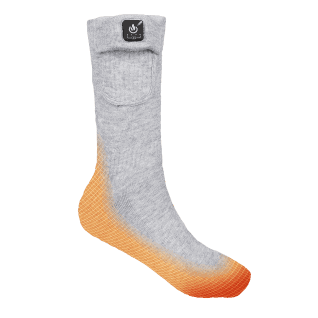
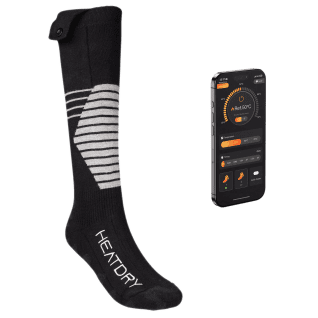
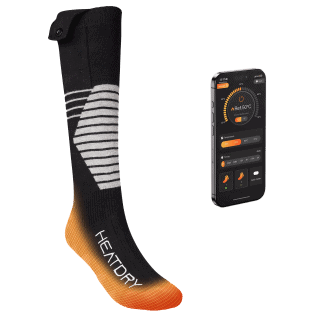
Cold feet often cause pain and discomfort, especially in winter. Heated socks keep feet warm and stimulate circulation. With HEATDRY socks, you will enjoy long-term comfort, both at home and outdoors.
What does the temperature of your feet say about your health?
The temperature of your feet provides valuable information about your overall health. Feet that remain cold for long periods can indicate reduced blood flow due to, for example, vasoconstriction, diabetes, heart problems or autoimmune disorders. In such cases, it is important to be alert to additional symptoms such as wounds that heal poorly, pain, or discolouration.
Conversely, feet that feel unusually hot or just burning may indicate neuropathy, a nerve damage common in diabetes mellitus, vitamin deficiency (especially B12), kidney or liver problems, side effects of medications or chronic inflammation. Research has shown that about 10% of people over 40 suffer from burning feet, half of which have a neurological condition such as neuropathy as a cause (source: People & Health).
What are the best materials for warm feet?
Merino wool
One of the most popular choices for warm feet. Merino wool insulates extremely well, wicks away moisture and stays warm even when damp. The material is soft to the touch and does not irritate the skin. Merino wool socks are ideal for outdoor activities, but also at home in winter.

Cotton
Cotton is comfortable and breathable, but retains little heat when wet. This makes cotton socks less suitable if you get sweaty feet easily or spend a lot of time outdoors in cold temperatures.

Synthetic fibres
Materials such as polyester or polyamide are light and dry quickly, but can lack insulating properties. They work best when combined with natural fibres or in sports activities where ventilation is important.
Silver fibre
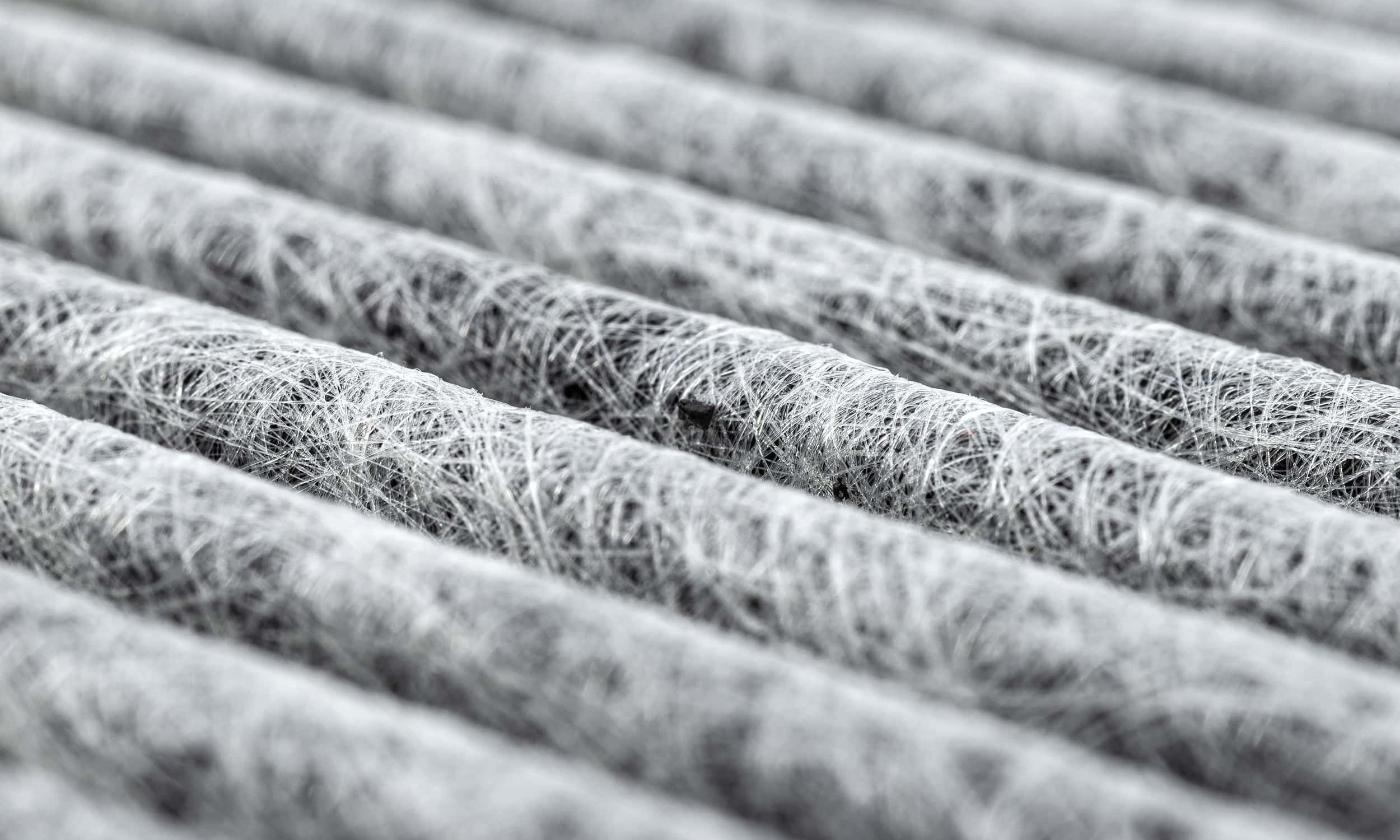
Socks with silver thread have an antibacterial effect, wick away moisture quickly and help against sweaty or burning feet. Especially suitable for people with sensitive or easily irritated feet.

Bamboo
A durable alternative that breathes well, is antibacterial and retains heat reasonably well. Less insulating than wool, but comfortable in milder temperatures.
Why are warm feet important?
Warm feet contribute significantly to your comfort, especially during cold winter months. Many people underestimate the impact of warm feet on the body and mind. Body heat is largely lost through the extremities, such as the hands and feet. When your feet are cold, blood vessels contract to reduce heat loss. However, this causes waste products to be less well drained and increases the risk of injury or skin damage.
In addition, research shows that people with warm feet feel happier, experience less stress and even sleep better. Warm feet create a sense of security and well-being, making it easier to relax (source: National Care Guide). Moreover, cold feet can lead to insomnia or disturbed sleep, while warm feet contribute to faster and deeper sleep. So maintaining the temperature of your feet is not just a matter of comfort, but also of health and well-being.
Our customers say:
Best invention ever!!!
Seriously, I don't understand how I ever lived without these things. My feet were ALWAYS cold, even in bed. Now just warm. Charging batteries... yes you have to do that, but c'mon, what bliss.
No more freezing cold toes on the bike
I cycle to work every day and my toes were always numb when I arrived. With these heated socks, that's done. They warm up quickly and last for at least 4 hours. You just feel like a different person, such a difference.
Cold feet are a thing of the past
I always suffer from cold feet, even indoors. Now I just wear these heated socks on the sofa in the evening. Batteries on low and I'm sitting there feeling princess-like.
Differences between people: why do some get cold or hot feet faster?
Everyone experiences warm feet differently. On average, women have cold feet more often than men, which is due to thinner skin and a different fat distribution, but also because they are more prone to temperature fluctuations due to hormonal changes (menstruation, pregnancy, menopause). Research shows that women can already experience cold feet at 22 degrees Celsius, while men are still comfortable at that temperature.
Moreover, people differ in their predisposition for good circulation. Elderly people, smokers, people with diabetes and thyroid patients are more likely to suffer from cold feet. In contrast, people who are overweight or have certain nerve disorders may experience hot or burning feet sooner. Heredity also plays a role: some families are more susceptible to circulation problems in the limbs.
Does exercise really help warm your feet faster?
Movement is one of the most effective ways to get cold feet warm again. When you are in motion, your circulation is stimulated and warm blood reaches your feet and toes faster. Even small movements, such as wiggling your toes, twisting your ankles or alternately standing on your feet, help.
Especially in situations where you sit still for a long time, such as in the office or during a long car journey, it is good to regularly stand up, walk or do foot and leg muscle exercises. People who exercise enough daily report suffering from cold feet less often. When it is cold, the body tends to conserve heat for the core organs, causing extremities to cool quickly. Exercise breaks this pattern and ensures warm feet even during cold days.
Is there a link between warm feet and nerve problems (such as neuropathy)?
There is a clear relationship between hot or burning feet and nerve complaints such as neuropathy. Neuropathy occurs when peripheral nerves are damaged by, for example, diabetes, Lyme disease, vitamin deficiencies or side effects of medications. A typical symptom is a burning, tingling or numb feeling in the feet, which is often accompanied by a sensation of excessive heat.
According to research, up to 20% of people with diabetes suffer to a greater or lesser extent from diabetic neuropathy, with warm feet being among the first symptoms. Infections, autoimmune disorders and hereditary diseases can also contribute to these symptoms. Timely diagnosis and treatment are important to prevent further nerve damage (source: Skystep.co.uk).
What are users' experiences with heated socks against cold feet?
User experiences with heated socks are predominantly positive, especially for outdoor activities such as hiking, cycling, camping or winter sports. Users particularly praise the comfort, the adjustability of the heat settings and the long battery life. For people with chronically cold feet or conditions such as Raynaud's phenomenon (fluctuating blood flow), heated socks often offer a solution.
In the home, fleece heating socks and woollen socks are worn more often, because of their comfort and lack of cords or batteries. Some users note that cheaper heated socks wear out faster or that with prolonged wear, the heat is unevenly distributed. Overall, it can be said that investing in a decent brand pays off for permanently warm feet.
What are possible causes of burning or extremely hot feet?
- Neuropathy (often due to diabetes, chemotherapy or vitamin B12 deficiency)
- Thyroid problems (especially if the thyroid gland works too fast)
- Autoimmune diseases, arthritis or inflammation
- Alcohol abuse or liver and kidney failure
- Side effects of certain medications, such as some antibiotics, antifungals or chemotherapy
- Chronic infections, such as HIV
- Fungal infections (foot or nail fungus)
- Insufficient ventilation due to synthetic socks, tight footwear, or prolonged inactivity
Do you suffer from persistent or sudden extreme heat or burning in the foot? If so, always consult a doctor for further investigation.
Frequently asked questions about warm feet and heated socks
Can wearing the wrong shoes cause cold or hot feet?
Footwear plays a big role in maintaining warm feet. Shoes that are too tight hinder blood circulation, causing feet to get cold quickly. On the other hand, shoes that breathe too little - made of synthetic material, for example - can actually cause excessive heat retention and lead to sweaty feet or overheating.
So it is important to choose shoes with a good fit, which are not pinching but also not too loose. Materials such as leather or modern breathable textiles like Gore-Tex keep your feet warm but also ventilate sufficiently. Sturdy, well-insulated soles protect against cold surfaces. Waterproof shoes are especially pleasant in wet weather, but make sure the material is breathable, otherwise fungi and bacteria will have free rein because of the damp climate in the shoe.
Can always warm feet indicate a medical condition?
Always hot or even burning feet can be an indication of an underlying medical condition. Neuropathy, hormone disorders (such as hyperthyroidism or hormonal fluctuations), arthritis or side effects of medication can cause persistently hot feet. Diabetes is the most well-known cause of peripheral neuropathy with this symptom, but rheumatoid arthritis, kidney failure, infections and even alcohol abuse are also risk factors.
If there is a constant burning or glowing sensation, it is wise to consult a doctor. Neurological tests or blood tests can reveal whether there is an underlying cause (source: People & Health).
How exactly do socks with built-in heating work?
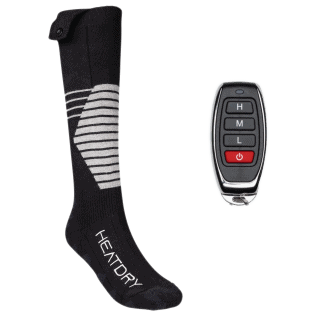
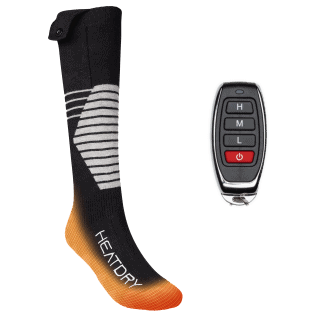
Socks with built-in heating, also called electric socks, contain thin electric wires through the sock material or a special heating element. These are heated by a small battery or battery that is often attached to the sock or ankle via a clip. You can usually adjust the heat via a switch - some models offer three or more levels.
Heat is spread over the sole and around the toes in most cases, as these get cold fastest. Depending on the type and battery life, socks provide warmth for between 3 and 10 hours on average. The latest models are light, flexible, washable (after removing the electrical part) and often rechargeable via USB. This makes them popular with hikers, cyclists and people who spend a lot of time outdoors in winter (source: Tomzorg.co.uk).
Safety: Can you wear heated socks at night?
Electrically heated socks are not recommended by most manufacturers for use while sleeping, unless explicitly stated on the label. There is a risk of overheating and electrical problems if worn silently for long periods, especially with socks of inferior quality or if the battery is used incorrectly.
For sleeping, thick wool socks or warm fleece socks are safer and more comfortable. There are also 'self-heating' socks without electricity with an insulating layer or special heat storage that does not risk short-circuiting.
Which heated socks are suitable for outdoor activities such as hiking or cycling?
| Model | Advantages | Price range |
|---|---|---|
| Bertschat Electric Heated Socks | Powerful battery, longest working time (up to 10 hours), many heat modes. Very suitable for hike, bike or ski. | €130 - €190 |
| HEATDRY Heated Socks | Economical, 3-zone Heating, suitable for indoor and outdoor use, quick rechargeable, innovative | €89 - €139 |
| B-Care Heated Socks | Thick battery (4000mAh), water-resistant and seamless design. Comfortable for longer walks. | €60 - €80 |
| Rheme Electric Socks | Three heat settings, optimal heat distribution, favourite with skiers and mountain bikers. | €40 - €60 |
Practical tips for wearing heated socks
Consider the following when choosing and wearing heated socks for warm feet:
- Pay attention to the material - a sock with merino wool as well as heating gives optimal warmth and comfort.
- Choose models with adjustable heat levels so you can switch between light and intense heating.
- Check battery life: for day trips, at least 6 hours of continuous heat is recommended.
- Make sure socks fit well without pinching. For lots of outdoor activity: choose water-repellent models.
- Wash heated socks only with hand wash and always remove the batteries beforehand.
Are heated socks the best solution for always warm feet?
Heated socks provide immediate, long-lasting warmth and are ideal for people who are often outside in cold temperatures, or for those who struggle with cold feet on an ongoing basis. Yet they are not necessarily the best or only oHeated socks provide instant, long-lasting warmth and are ideal for people who are often outside in cold temperatures, or for those who struggle with cold feet on an ongoing basis. Yet they are not necessarily the best or only solution. Good woollen socks, regular exercise, changing temperatures (think a warm foot bath) and well-breathing, insulating shoes are enough for most people to get and keep warm feet.
For older people, those with impaired circulation or chronically cold feet, heated socks are a practical addition. For sleeping, it is still more recommended to opt for thick wool socks or a warm hot water bottle (source: Tomzorg.co.uk).plsolution. Good woollen socks, regular exercise, changing temperatures (consider a warm foot bath) and well-breathing, insulating shoes are enough for most people to get and keep warm feet.
For older people, those with impaired circulation or chronically cold feet, heated socks are a practical addition. For sleeping, it is still more recommended to opt for thick wool socks or a warm hot water bottle (source: Tomzorg.co.uk).
Practical tips to keep warm feet
- Wear (merino) wool socks or a wool/cotton blend, especially in winter
- Choose shoes that fit and breathe, with insulating soles
- Keep moving, especially if you sit still for a long time
- Use a foot warmer or heated socks in case of extreme cold
- Take a warm foot bath in the evening
- Drink hot drinks and avoid cold floors
- In wet or humid weather: work with waterproof shoes and multiple, thin warm sock layers
- Are you experiencing cold, burning or unexplained hot feet that persist? Always consult your doctor.